
Related videos:
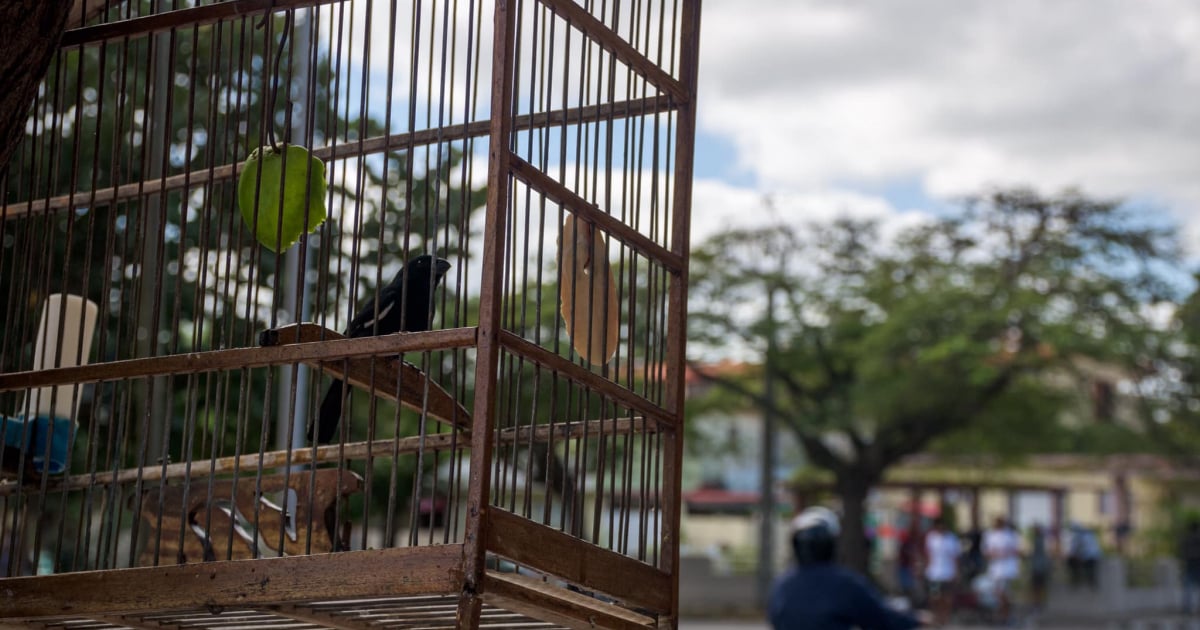
The park rangers conducted an operation against the illegal trafficking of wildlife in the municipality of Guamá, in Santiago de Cuba, which resulted in the release of several birds that were being held in captivity for sale in the informal market.
The information was released by the official profile Héroes del Moncada, which indicated that during a tour along the coastal areas of that locality, several individuals were caught with species captured illegally, allegedly intended for sale at high prices.
"Once measures were implemented against wildlife predators, the birds were released," the profile stated, without providing details about the species released, the number of animals rescued, or whether any individuals were detained or fined.
The authorities called for the protection of the country's flora and fauna, although they did not mention the economic vulnerability that drives many people to engage in the capture and sale of animals as a livelihood.
The trafficking of wild birds in Cuba has been fueled by the growing demand in the informal market, where species like the tomeguín, negrito, and sinsontillo fetch high prices due to their song and appearance.
The lack of effective control and the absence of viable economic alternatives contribute to the persistence of this illegal practice in rural areas of the country.
A few days ago, a social media post showing an owl captured and offered for sale in Havana sparked outrage and condemnation among internet users and animal advocates.
The incident occurred when a user identified as Marlon Enmanuel Fernández shared a reel in the “Alamar the neighborhood” group on Facebook, where a bird can be seen confined inside a metal bucket, covered with a wooden board.
In September of last year, an animal shelter questioned the actions of Cuban institutions responsible for protecting nature, expressing its indignation over the promotion of the sale of red squirrels in Havana.
In a post on Facebook, Elizabeth Marela Cardoso Pérez harshly criticized sellers who, according to her, profit from the suffering of animals without any knowledge of their management and care.
Events like these led to the past Dog Day in Cuba, where activists and animal rights defenders held an emotional pilgrimage at the Colón Cemetery in Havana to demand that the Animal Welfare Law be enforced rigorously and that mistreatment is effectively punished.
The action was reported on social media by the group Protección Animal SOS - PASOS, which highlighted that this was the largest pilgrimage carried out so far to the so-called Tomb of Fidelity, where the remains of Jeannette Ford Ryder, a historical advocate for animals, and her dog Rinti, who stayed by her side until her death, rest.
Frequently Asked Questions about Illegal Wildlife Trafficking in Cuba
What happened during the operation against illegal bird trafficking in Santiago de Cuba?
The operation culminated in the release of several birds that were being held in captivity for sale on the informal market. Authorities caught several individuals with species that had been illegally captured, but no details were provided regarding the species that were released or whether any arrests were made.
Why does the trafficking of wild birds persist in Cuba?
The trafficking of wild birds persists due to the increasing demand in the informal market, where species such as the tomeguín and the sinsontillo fetch high prices. The lack of effective control and limited economic alternatives drive many people to this illegal practice.
What is the situation of the Animal Welfare Law in Cuba?
Although the Cuban regime enacted the Animal Welfare Decree Law in 2021, constant reports highlight its limited effectiveness. The decree establishes strict regulations regarding the trade of animals, but activists criticize the lack of severity in its enforcement.
How have animal rights advocates reacted to species trafficking in Cuba?
Animal advocates have expressed outrage and rejection against species trafficking, organizing actions such as pilgrimages to demand the effective enforcement of the Animal Welfare Law. Social media has become a space for denunciation and criticism of the lack of governmental action.
Filed under: