
Related videos:
The Cuban regime reported this Saturday that it is already conducting a clinical trial with a national experimental immunotherapy drug to treat patients with advanced solid tumors.
The study is conducted at the Hermanos Ameijeiras Clinical Surgical Hospital in Havana, aimed at assessing the safety and efficacy of IL-2 non-alpha mutein, a compound developed by the Molecular Immunology Center (CIM).
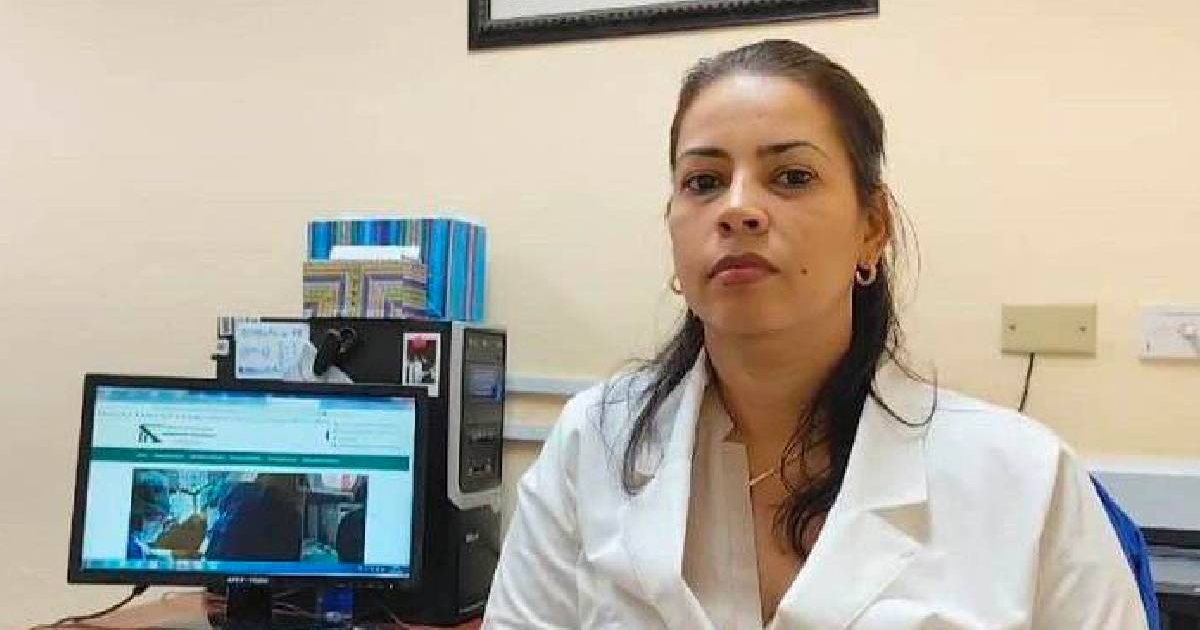
According to oncologist Vilma Fleites Calvo, speaking to the state portal Infomed, the research is currently in its second stage, after having successfully completed a first phase with "positive" results regarding the antitumor response, as cited by the official newspaper Granma.
The drug is being administered to patients who have previously undergone treatments without success and who currently have no further conventional therapeutic options, the statement emphasizes.
"These clinical trials are essential for the work of oncologists, as they allow for the development of new palliative protocols for those facing an advanced stage of the disease," explained Fleites Calvo.
The article notes that although cancer remains the second leading cause of death in Cuba, the country's scientific advancements face serious obstacles due to economic, technological, and access limitations concerning medications and medical supplies, which affects the practical implementation of many promising treatments within the public health system.
The development of this clinical trial is part of an effort to find new, more effective, and accessible therapies for the Cuban healthcare system, the information highlights.
However, experts have pointed out on various occasions that biomedical research on the island—while active—suffers from a lack of transparency, scarce resources, and inadequate hospital infrastructure, which raises questions about the scalability of these treatments.
The IL-2 non-alpha Mutein is a modified variant of interleukin 2, a protein that stimulates immune system activity, and has been designed to enhance an immune response targeted at tumor cells, without activating other receptors that could lead to serious adverse effects.
This type of immunotherapy represents one of the most promising avenues in the global fight against cancer, although its success depends on factors such as treatment personalization, the type of tumor, and the overall health of the patient.
Frequently Asked Questions about Cancer Immunotherapy Trials in Cuba
What is non-alpha IL-2 mutein and how does it work?
The non-alpha IL-2 mutein is a modified variant of interleukin 2, designed to enhance a specific immune response against tumor cells without activating other receptors that could lead to severe adverse effects. This type of immunotherapy aims to stimulate the immune system to effectively target advanced solid tumors.
What is the current stage of the clinical trial for this drug in Cuba?
The clinical trial is currently in its second stage, having successfully completed the first phase with positive results regarding the antitumor response. This trial is being conducted at the Hermanos Ameijeiras Clinical Surgical Hospital in Havana, with the aim of evaluating the safety and efficacy of the drug.
What are the main obstacles to scientific progress in Cuba?
Scientific advancements in Cuba face serious obstacles due to economic, technological, and access limitations regarding medications and medical supplies. Furthermore, biomedical research on the island suffers from a lack of transparency, resource scarcity, and inadequate hospital infrastructure, which raises doubts about the scalability of promising treatments.
What is the impact of the Cuban regime on access to medical treatments?
The Cuban regime conditions access to medical treatments due to policies that prioritize ideology over public health. Cases like that of the child Damir Ortiz Ramírez illustrate how bureaucracy and a lack of resources can hinder access to vital treatments, putting the lives of the most vulnerable patients on the island at risk.
Filed under: