
Related videos:
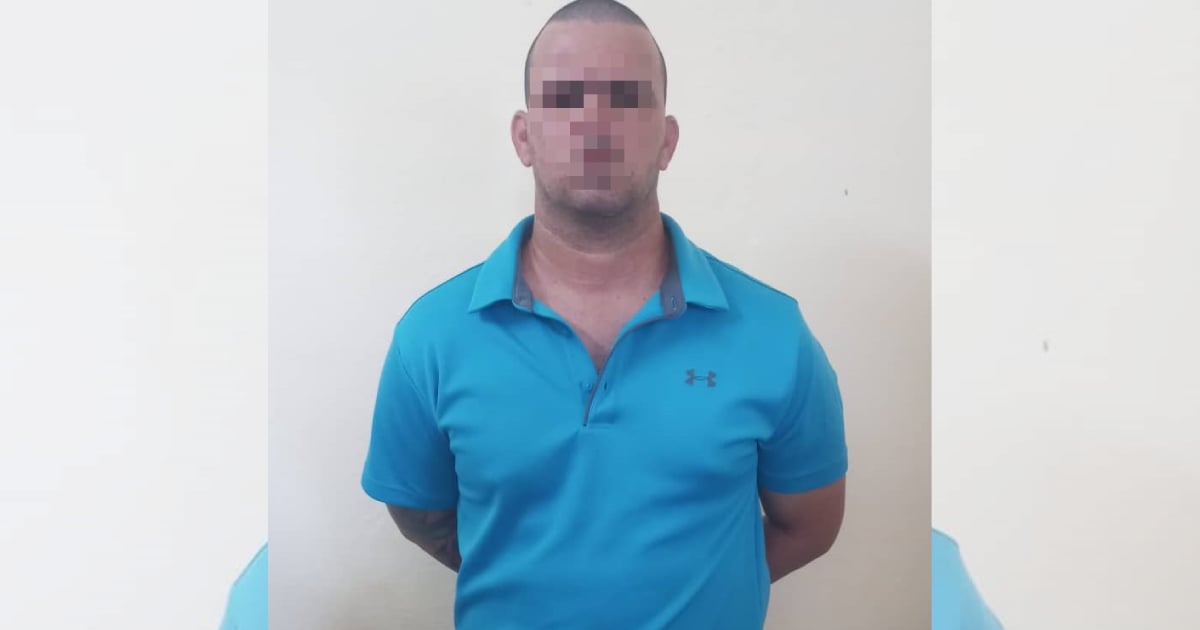
A man who allegedly defrauded four people in the province of Artemisa for a total amount exceeding two million pesos was captured by the authorities, sources linked to the Ministry of the Interior (Minint) confirmed.
According to a note circulated by various official profiles on Facebook, the accused carried out the scams in the municipalities of Guanajay and Artemisa. The modus operandi he used to deceive his victims has not been disclosed.
After an "intensive search," Minint officials, in collaboration with civilians, located him in the municipality of Colón, in Matanzas, where he was finally arrested.
The report did not disclose the name of the detainee, but several individuals reacted with surprise upon seeing his photo in the publication and confirmed that he had been a Mathematics teacher in pre-university education.
The suspect will face criminal proceedings for the charges brought against him, the source specified, urging the public to report any other cases of fraud they may be aware of.
The scams have become a recurring crime in Cuba in recent years, whether they are direct or through electronic devices.
Reports on social media indicate scams involving payments with counterfeit bills, tricks with cash, or the sale of counterfeit products.
With the rise in the use of mobile phones and platforms in the country, fraud through social media and state online payment applications has become quite common, stemming from data theft and identity theft.
Fraudulent digital operations have escalated to such a level that authorities are issuing repeated alerts regarding this type of financial crime.
A case that came to light just a week ago was the digital scam targeting a resident in Taguasco, Sancti Spíritus province, who had their identity stolen and was robbed of 230,000 pesos.
The alleged individuals involved in the incident were tracked down by the police and captured in Holguín, and they are currently undergoing criminal proceedings. The money was returned to the victim.
This case highlights the vulnerability of the digital environment in Cuba and the growing threat of financial crimes due to the lack of sufficient prevention mechanisms.
Frequently Asked Questions about Scams and Frauds in Cuba
What are the details of the fraud case in Artemisa involving more than two million pesos?
A man was captured for defrauding four people in Artemisa for more than two million pesos. He was arrested in the municipality of Colón, Matanzas, and is expected to face criminal proceedings. The scams took place in the municipalities of Guanajay and Artemisa, but his specific modus operandi has not been disclosed.
How have scams and frauds evolved in Cuba in recent years?
Scams in Cuba have increased considerably in recent years, both directly and through electronic devices. Fraud is common through the use of social media and payment applications, often involving identity theft and data theft. Authorities continuously warn about these crimes and seek to improve prevention mechanisms.
What measures are the Cuban authorities taking in response to the rise in financial crimes and digital scams?
Cuban authorities are conducting frequent operations and alerts to combat the rise in financial crimes and digital scams. Despite these efforts, citizens remain vulnerable due to the lack of effective prevention mechanisms and the increase in criminal activity in the digital environment.
How can citizens protect themselves from scams in Cuba?
To protect yourself from scams in Cuba, it is essential to be wary of offers that seem too good to be true. It is important not to share personal or financial information with strangers and to verify the authenticity of any transaction or exchange. Additionally, being informed about the most common types of scams and following alerts from authorities can help prevent being a victim of these crimes.
Filed under: