The livestock industry in Las Tunas is experiencing one of its worst crises: lack of food for the animals, accumulated unpaid debts, and constant thefts of cattle are part of the drama faced by producers in the sector.
This was acknowledged by Cuba's own Deputy Prime Minister, Jorge Luis Tapia Fonseca, during a recent meeting with ranchers from the province, reported the official Periódico 26.
Tapia engaged in a discussion with around fifty producers from the eight municipalities of Las Tunas, where the extent of the institutional neglect faced by the livestock industry was evident.
According to their own words, "although there are many material damages, vital tasks in livestock farming are no longer being carried out."
Among the most serious problems, he mentioned the limited marketing of breeding stallions, insufficient planting of animal feed, lack of water, and the lack of motivation among young people to engage in agriculture and train in specialties related to the field.
The leader also acknowledged that livestock culture has been lost, with low birth rates and an increasing number of deaths due to malnutrition.
This is compounded by livestock thefts, which occur both during the day and at night, and have placed producers in a situation of extreme vulnerability.
Several cattle ranchers took advantage of the meeting to denounce the abandonment by agro-industrial companies, the boards of cooperatives, and other state agencies.
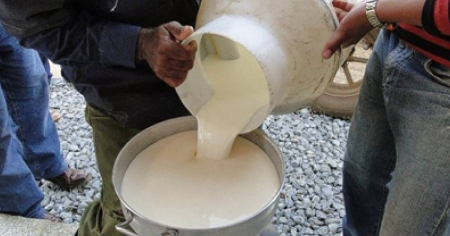
They also complained that the Dairy Products Company owes them several months' payment for the milk, cheese, and transportation of these foods.
Meanwhile, the Animal Control Center fines them excessively if they lose animals due to slaughter or theft.
They also reported that the processes for expanding land for those who already own more than ten cows take a long time, which limits the possibilities for growth and sustainability of the farms.
Cattle ranching in Cuba is experiencing a profound structural crisis, evidenced by a concerning number of irregularities and crimes that affect both production and the safety of producers.
A national audit revealed in February 2025 that over 180,000 irregularities were detected in the control of the cattle population, including undeclared births, missing animals, illegal sales, and undocumented deaths.
This situation reflects the administrative chaos of the sector and the state's inability to maintain effective control over livestock production in the country.
Meanwhile, the economic effects of the cattle industry collapse have also been felt in the processing industry. Recently, it was reported that the company Río Zaza halted its production due to a debt of 150 million pesos owed to producers, a compelling example of the institutionalized non-payment that worsens the lack of incentives for cattle ranchers and jeopardizes the supply chain of dairy and meat products.
Insecurity has also become a significant factor. A recent report highlighted the desperation of many farmers, such as an elderly man from Las Tunas who decided to sell his cattle out of constant fear of theft and illegal slaughter, a practice that not only impacts their income but also represents a direct loss for the already dwindling national herd.
This alarming situation is exacerbated by the proliferation of criminal networks dedicated to the illegal slaughter of livestock, such as the one dismantled by MININT in Santa Clara last March, where over 300 pounds of clandestinely processed meat were seized.
The increase in these activities not only reflects the ineffectiveness of state controls, but also the pressure of a widespread food crisis that drives segments of the population toward illegal practices for survival.
Frequently Asked Questions about the Livestock and Criminal Crisis in Las Tunas, Cuba
What are the main problems faced by cattle ranchers in Las Tunas?
Ranchers in Las Tunas are facing a lack of feed for their animals, accumulated unpaid debts, and constant thefts. Furthermore, there is limited marketing of breeding bulls, insufficient planting of animal feed, a lack of water, and a lack of motivation among young people to work in the fields.
How is the increase in crime affecting livestock farming in Las Tunas?
The rise in crime in Las Tunas has intensified livestock theft, placing producers in an extremely vulnerable situation. With over 40% of crimes affecting livestock, the security of cattle is a constant issue for ranchers.
What measures has the Cuban government taken in response to livestock issues in Las Tunas?
The Cuban government has promised greater control and severe penalties against those responsible for cattle theft, but the lack of concrete and effective actions remains a concern. The inefficacy of security measures and state control has even been acknowledged by government officials.
Why are young people in Las Tunas demotivated to work in cattle farming?
The lack of motivation among young people to work in livestock farming in Las Tunas is due to the absence of economic incentives, institutional neglect, and challenging working conditions. These factors make the sector unappealing to new generations.
What is the economic impact of defaults on livestock farming in Las Tunas?
Unpaid debts in the livestock sector of Las Tunas severely impact the economic sustainability of farmers, who are not receiving payments for the milk and cheese supplied. This limits their ability to invest in the improvement of their farms and contributes to the crisis in the sector.
Filed under: