
Related videos:
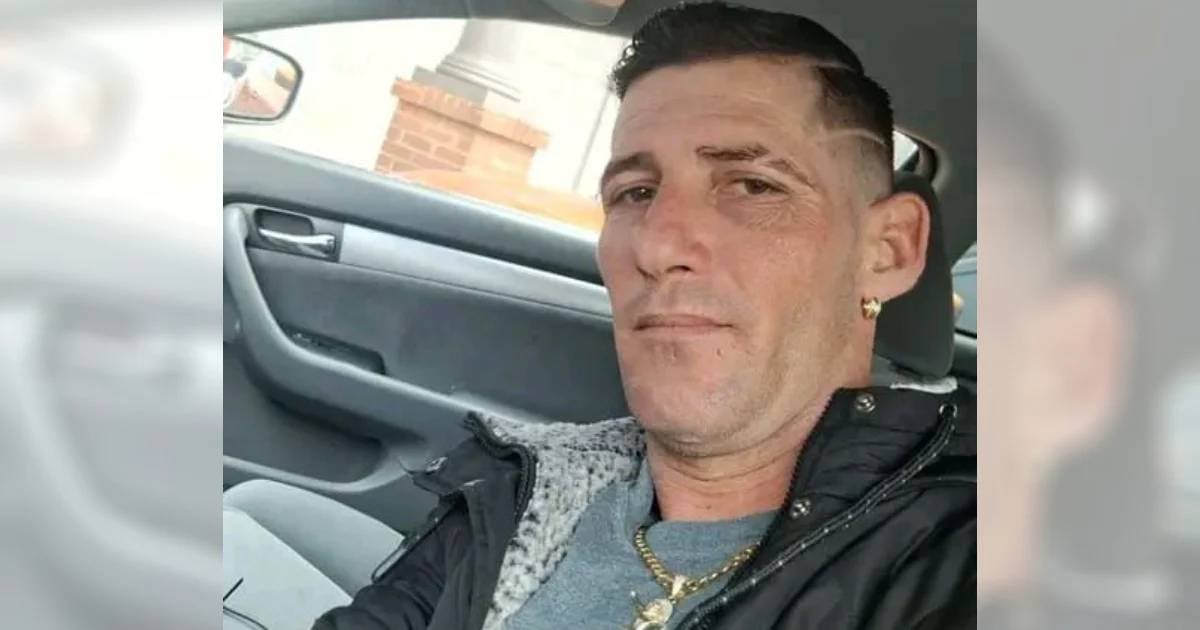
Ernesto Pavel Riverón, the Cuban who had been reported missing after arriving in Havana on a flight from the United States, has been found, according to family sources.
Riverón, who was supposed to travel from José Martí International Airport to the province of Holguín, had lost contact with his family since his arrival, which caused alarm among his loved ones.
The news of her disappearance spread widely through the Facebook group "Revolico Holguín," where Liutanay La Rusa requested help to find her whereabouts and then updated that post to inform that they were in contact.
"Thanks to everyone for their kind comments and positive hopes, she has been found. I called my daughter and her mother; she had gotten lost in Matanzas and didn't know how to get back. She has left for Holguín," La Rusa stated.
The lack of effective official channels in Cuba for the search of missing persons has forced many families to turn to social media as their main means of reporting and locating them.
This case adds to other recent ones that have generated great concern among the public, such as the disappearance in Havana of Doraiky Águila, a 48-year-old woman who suffers from memory loss and has not been heard from since March 15 in the Diez de Octubre municipality.
Although Ernesto Pavel Riverón has already been found, these episodes reflect the challenges faced by Cuban families in searching for their loved ones and the importance of having more effective official response mechanisms.
Frequently Asked Questions about Disappearances in Cuba
What was Ernesto Pavel Riverón's situation after arriving in Havana?
Ernesto Pavel Riverón was reported missing after arriving in Havana from the United States. He lost contact with his family while trying to travel from José Martí International Airport to Holguín. Eventually, he was located in Matanzas and reached out to his relatives to inform them that he was on his way to Holguín.
Why do families in Cuba turn to social media to look for missing persons?
Cuban families use social media as a key tool to search for missing persons due to the lack of effective official channels from the government. This method allows them to spread alerts, seek assistance, and gather information from the community, playing a crucial role in increasing the visibility of cases.
What does the case of Doraiky Águila reflect about the situation of the missing in Cuba?
The case of Doraiky Águila, who disappeared in Havana and suffers from memory loss, reflects the challenges faced by Cuban families in the search for their loved ones. The ineffectiveness of official mechanisms forces citizens to rely on solidarity and social networks to try to locate the missing.
What impact does Cuba's socioeconomic situation have on disappearances?
The Cuban socioeconomic context, marked by scarcity and insecurity, exacerbates disappearances. The lack of medications and the rising violence contribute to individuals, especially those with mental health conditions, becoming disoriented or straying from their homes, complicating the resolution of these cases.
Filed under: