
Related videos:
A tragedy in Brazil has once again highlighted the dangers of viral challenges on social media platforms like TikTok.
Sarah Raíssa Pereira de Castro, an eight-year-old girl, passed away after participating in the so-called "deodorant challenge." The young girl inhaled the gas from an aerosol, leading to cardiac arrest and brain death.
The Civil Police of the Federal District has opened an investigation to determine how the girl accessed the content and who is responsible for its dissemination. Her mobile phone has been seized and will undergo forensic analysis.
Authorities warn that those involved may face charges of aggravated homicide, with penalties of up to 30 years in prison.
This is not an isolated case. Jumping out of a moving car to dance, drinking boiling water, or putting one's head in bags of powdered charcoal are just a few of the viral challenges that, while aimed at generating fun and popularity, carry deadly risks.
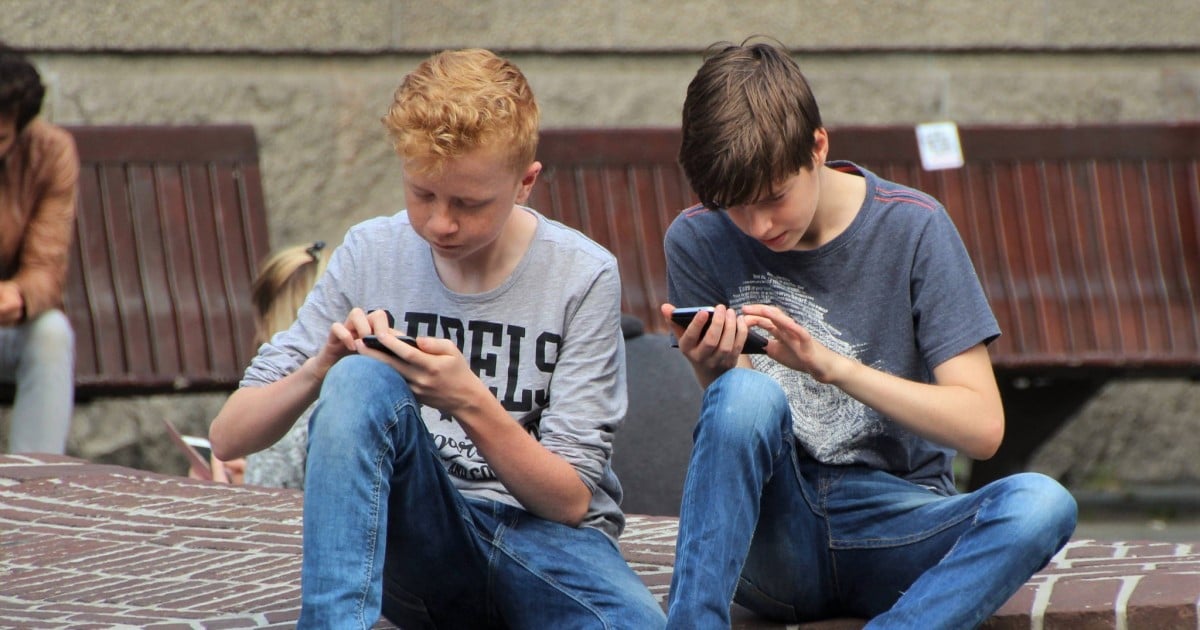
Many of these practices are imitated by children and teenagers, who are not always aware of the dangers they involve. Their parents react too late.
Viral challenges are phenomena that arise in the digital environment, driven by the desire for "likes" and popularity, leading millions of young people to engage in risky behaviors without considering the consequences. The involvement of public figures in these challenges only increases their visibility and danger.
What can parents do to prevent tragedies?
1. Active supervision: Understand the applications, social media, and content your children access.
2. Constant communication: Talk openly about the dangers of viral challenges and encourage trust so that your children feel comfortable sharing what they encounter online.
3. Establish clear norms: Agree on rules for device usage, such as connection times and content restrictions.
4. Self-esteem education: Strengthen your children's confidence so they do not feel the need to take risks for social acceptance.
5. Report dangerous content: If you detect risky challenges, report them directly on the platform and, if necessary, to the authorities.
Prevention starts at home. The Internet can be a wonderful tool if used safely and responsibly. The lives of our little ones should not be put at risk for a viral challenge.
Frequently Asked Questions About the Dangers of Viral Challenges and Their Impact on Youth
What are viral challenges and why are they dangerous?
Viral challenges are social media challenges that seek popularity, but often involve risky behaviors that can endanger the lives of those who participate, especially children and teenagers. These challenges can lead to serious injuries or even death, as in the case of the "deodorant challenge," which resulted in the death of a girl in Brazil.
How can parents prevent their children from participating in dangerous viral challenges?
Parents can prevent their children from participating in viral challenges through active supervision and constant communication, openly discussing the dangers posed by these challenges. It is also important to establish clear rules regarding device usage and to promote self-esteem in children so that they do not seek social acceptance through dangerous activities.
What responsibilities do social media platforms like TikTok face regarding viral challenges?
Platforms like TikTok have the responsibility to monitor and supervise the content disseminated to safeguard the integrity of users, especially minors. In Venezuela, TikTok was fined for failing to prevent the spread of challenges that resulted in the deaths of minors, and it faces potential bans if it does not comply with protective measures.
What role do public figures play in the spread of viral challenges?
Public figures increase the visibility and dangers of viral challenges by participating in them, as their influence can motivate millions of young people to imitate risky behaviors. It is essential for celebrities to be aware of their impact and to promote safe and responsible use of social media.
Filed under: