
Related videos:
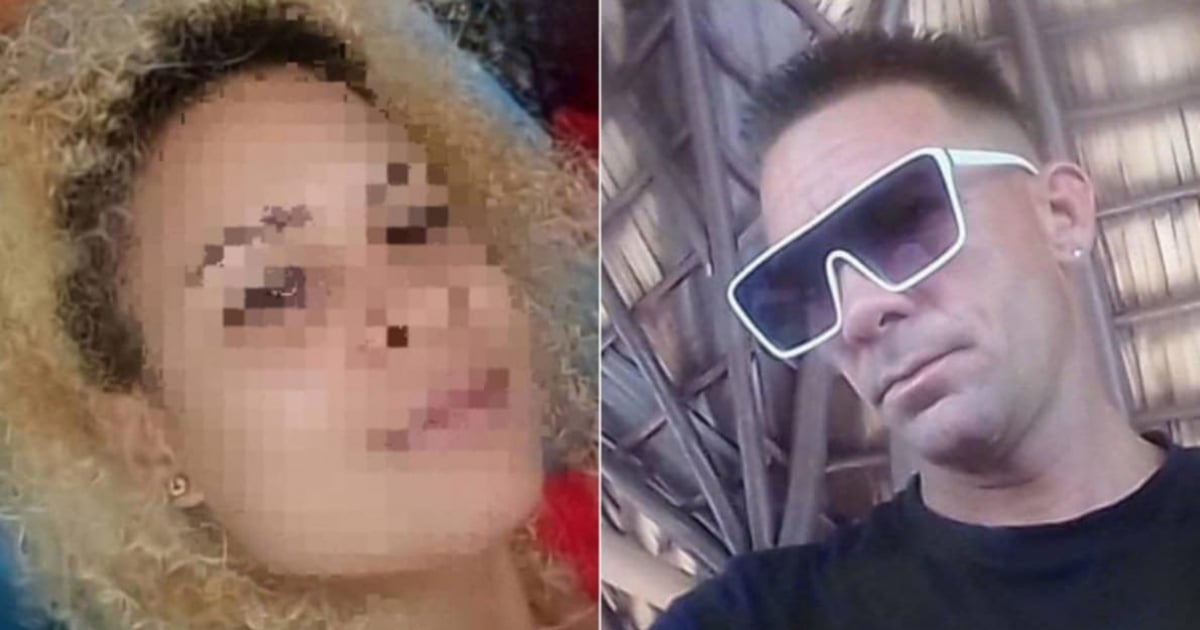
A deep shock runs through the municipality of Fomento in the province of Sancti Spíritus, following the news of the murder of Rosi Santana, a 29-year-old young mother, at the hands of her ex-partner.
The crime occurred on Sunday at the La Hormiga Popular Camping Base, located in the Escambray area, a space where dozens of families gather to enjoy leisure and entertainment, which has amplified the horror in the community.
According to revelations on Facebook by the user Irma Broek and the page Reporte Cuba Ya, Santana was stabbed seven times by an individual identified as Yoandri Alonso, also known as El Colorao, with whom she reportedly had a prior relationship.
Rosi passed away at the scene, and nothing could be done to save her life.
The fact has not only left a trail of sorrow in their family, but also a dramatic consequence: two young children have been left motherless.
So far, it has not been confirmed whether the alleged author of the crime, Yoandri Alonso, has been detained or if he is on the run.
A new case that reignites alarm over femicides in Cuba
The lack of official coverage of the incident has caused greater frustration among the victim's family, friends, and neighbors.
Although there have not yet been any official statements from the Ministry of the Interior or the Attorney General's Office, the case is already widely circulating on social media, where activists and citizens are denouncing the lack of institutional responses to the growing wave of gender-based violence in the country.
This new murder adds to a series of misogynistic crimes that have been occurring in various provinces, many of which are not even officially recognized as femicides due to the lack of legislation that classifies them as such.
Independent organizations like Yo Sí Te Creo en Cuba and the platform Alas Tensas have attempted to provide an alternative count of these events in response to the state’s silence.
Cuban feminist activists have once again demanded the urgent implementation of a comprehensive law against gender-based violence, a request that has been ignored by the Cuban Parliament for years, despite repeated calls from civil society.
Unrestrained male violence and lack of institutional protection
The murder of Rosi Santana not only represents a personal and familial tragedy but also highlights the dangers that many Cuban women face when attempting to escape abusive relationships.
The absence of shelters for victims, the lack of effective police protocols, and the social stigma hinder timely reporting and the protection of those at risk.
"The entire country needs to know what happened," wrote a user on Facebook, lamenting Rosi's death. Dozens of people have left messages of condolence and, above all, outrage, amidst the outcry for a response that seems to be forthcoming.
Meanwhile, two minors are marked by a tragedy that could have been avoided if the Cuban state had real mechanisms for prevention and justice in the face of gender violence.
Where are the authorities?
In recent years, Cuban society has begun to break the silence surrounding gender-based violence, largely thanks to social media and digital activism. However, the institutional response remains inadequate.
The murder of Rosi Santana exposes, once again, the vulnerability of thousands of Cuban women in the face of a system that continues to neglect the issue and, consequently, fails to address it at its root.
Public outrage is growing. Official silence is also deepening. Meanwhile, another family is shattered, and two children are left with an irreparable absence: that of their mother.
Frequently Asked Questions about Femicide in Cuba and the Case of Rosi Santana
What happened to Rosi Santana in Sancti Spíritus?
Rosi Santana was stabbed to death by her ex-partner at the La Hormiga Popular Camping Base, in the municipality of Fomento, Sancti Spíritus province. The crime occurred in the presence of witnesses, in a recreational area, which has caused shock in the community.
What is the current state of legislation on femicide in Cuba?
In Cuba, femicide is not classified as a crime in the Penal Code effective since 2022. Despite calls from feminist organizations to implement a comprehensive law against gender violence, the government has not adopted specific legislative measures to address this issue.
How do femicides affect the families of the victims in Cuba?
Femicides in Cuba leave many families in tragedy, as is the case with Rosi Santana, where two children have been left motherless. The lack of institutional support and the absence of shelters for victims worsen the situation for affected families, leaving them in a state of vulnerability.
What actions are feminist organizations in Cuba taking in response to femicides?
Organizations such as Yo Sí Te Creo in Cuba and Alas Tensas are independently documenting femicides in response to state silence. These platforms also advocate for appropriate legislation and the development of public policies that protect women and prevent gender-based violence.
Filed under: