The Miami-Dade County tax collector, Dariel Fernández, announced the launch of a new appointment system that promises to reduce the long waits for obtaining or renewing driver’s licenses.
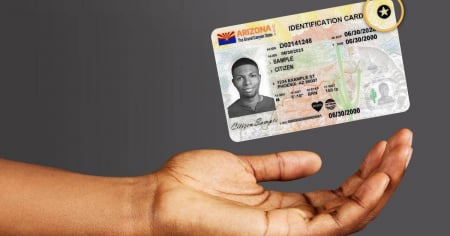
The objective of this new appointment system is to restore efficiency to a process that has faced criticism for years from residents and local media, but has become more complex recently due to changes in legislation and the implementation of the new REAL ID.
Fernández aims to promote a transformation in the management of licensing offices, taking control of four centers of the Department of Motor Vehicles (DMV), including the one located in the Midway Crossings shopping center, formerly known as Mall de las Américas, which is now under county administration.
“It is inconceivable that a person has to sleep on the streets just to receive an ID,” the official stated in an interview with Telemundo 51.
In light of this situation, his team developed a system supported by technology and artificial intelligence that accurately calculates how many people will be served each day, what services they need, and the estimated time for each process.
Technology, mobile appointments, and service on Saturdays
One of the most notable innovations is the use of QR codes in the collector's offices. People can scan the code upon arriving early, and the system will assign them a specific time to return, eliminating the need to wait in long lines.
Additionally, those who prefer to plan ahead can schedule their appointment online through the official collector's site.
In his first 100 days in office, Fernández also enabled service on Saturdays at the central office located at 3721 NW 7th St, and launched a mobile unit that travels throughout the county to facilitate access to essential services such as obtaining licenses and the REAL ID.
Blow to the illegal resale of appointments
One of the main concerns of the community was the illegal resale of appointments, an issue that was widely reported and which, according to Fernández, fostered inequality in access.
In coordination with state and local legislators, this practice was classified as a first-degree misdemeanor, subject to fines and imprisonment.
No official agency charges for appointments. It is illegal for anyone to do so," he warned. The verification system implemented for online registration aims to prevent unscrupulous individuals from monopolizing the available slots.
Direct commitment to the citizens
Fernández also reiterated his commitment to the citizens, assuring that his office is ready to provide direct assistance to those who still face difficulties.
The Broward County will also take over the management of appointments for licenses starting next year. They have announced plans to expand the model implemented by Miami-Dade.
Why is the order of public attention vital in these offices?
The state of Florida implemented a series of measures that significantly affect the legal immigrants residing within its territory. Among these is the use of the new REAL ID starting May 7 and the annual renewals of driver's licenses for those who are not permanent residents.
The Florida House of Representatives approved a law that penalizes the reselling of appointments at DMV offices, a practice that had caused frustration among users due to the hoarding and resale of free appointments.
The legislation classifies this activity as a first-degree misdemeanor, with penalties that include fines of up to 1,000 dollars and sentences of up to one year in jail.
This law extends the existing regulations at the state level that are already in place in Miami-Dade County and is complemented by the deployment of a mobile DMV unit to assist residents with mobility challenges.
Subsequently, state authorities announced new restrictions on the validity of driver's licenses and identification cards issued to legal immigrants.
The Florida Division of Highway Safety and Motor Vehicles (DMV) indicated that all licenses issued to non-immigrants will have a maximum validity of 12 months, regardless of whether their federal documentation allows for a longer stay.
This measure primarily affects those who hold temporary visas or work permits, while green card holders will not be impacted. Experts have interpreted the measure as a deliberate attempt by the state to complicate access to licenses.
Legal immigrants awaiting asylum or with work permits will need to renew their documents annually, face new fees, and thanks to the new appointment system, it is expected that they will not have to endure long lines in overcrowded offices, as is happening currently.
Frequently Asked Questions about the New Appointment System for Driver's Licenses in Miami-Dade
What changes does the new appointment system for driver's licenses in Miami-Dade introduce?
The new appointment system in Miami-Dade aims to reduce long lines through the use of technology and artificial intelligence. Users can scan QR codes to receive a specific appointment time or schedule appointments online. Additionally, a mobile service has been implemented, and Saturday services are available at certain offices.
How is the illegal resale of appointments being addressed in Miami?
To combat the illegal resale of appointments, it has been classified as a first-degree misdemeanor in the state of Florida, with penalties including fines and jail time. Additionally, an online verification system has been implemented to prevent unscrupulous individuals from hoarding available slots.
What is the REAL ID and how does it affect Florida residents?
The REAL ID is a mandatory identification starting May 7, 2025 that is required to board domestic flights and access federal facilities in the United States. In Florida, this has increased the demand for appointments at DMV offices, especially among immigrants who need to update their documents to comply with the new regulations.
How does the new legislation affect legal immigrants in Florida?
Legal immigrants who do not have permanent residency must renew their driver's licenses every year in Florida. This presents an additional challenge due to the high demand at DMV offices and long lines, exacerbated by the need to meet REAL ID requirements.
Filed under: