
Related videos:
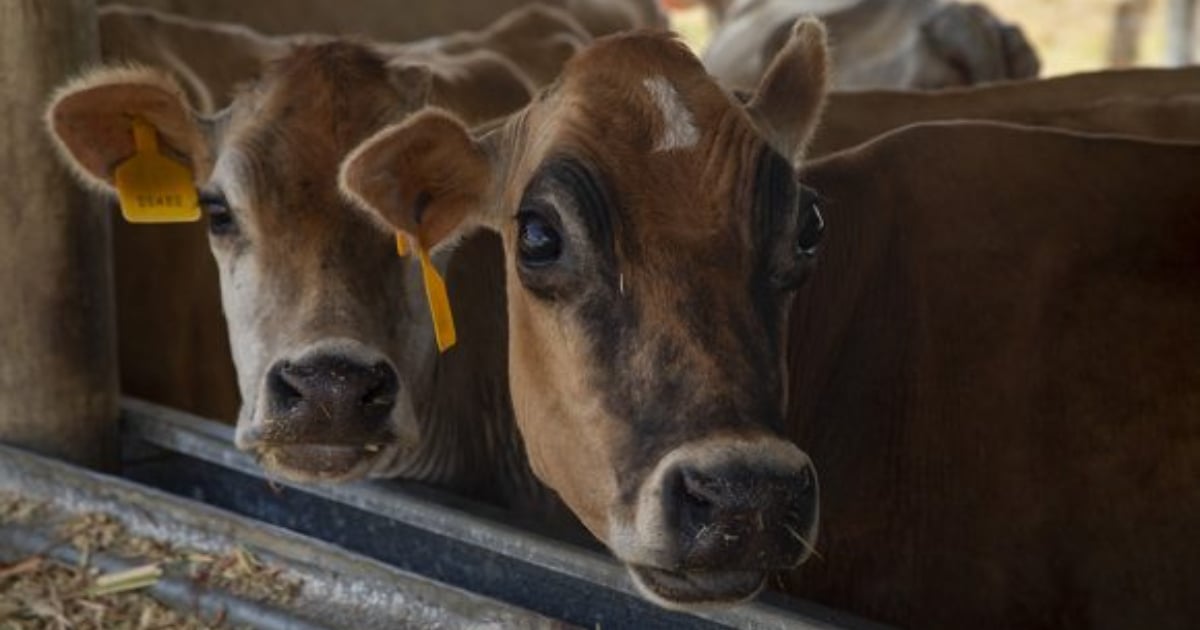
In an unusual modus operandi, a man kidnapped two cattle in the municipality of Báguanos, in Holguín, not with the intention of slaughtering them for their meat, as is common in Cuba, but to demand a ransom of 60,000 pesos from their owner, a plan that was thwarted by the police.
According to a post on the Facebook account “Cazador-Cazado,” associated with the Ministry of the Interior (Minint), Juan Tomás Almenares stole animals in the Los Jobos neighborhood and intended to demand such a sum of money from the owner, but before he could execute his plan, he was arrested by the authorities.
The page, which often uses a mocking tone to expose the actions of criminals, criticized the kidnapper for trying to "live at the expense of others," and praised the police for their handling of the case.
However, according to data published by the Cuban government itself, the theft of large livestock for the purposes of slaughter and illegal commercialization of their meat is a crime that is becoming increasingly common in Cuba, despite the authorities' attempts to curb these incidents, which severely affect producers. A large number of cases remain unpunished.
The alarming increase in the theft and illegal slaughter of cattle in Cuba in recent years reflects the crisis in agricultural production and the growing insecurity in rural areas.
In April, a police operation put an end to a series of robberies that had been threatening farmers in rural communities of the Mayarí municipality in Holguín. The authorities captured a gang of seven butchers, in possession of more than 400 pounds of stolen beef, four live cows, five horses, and various tools used for livestock smuggling.
In another recent operation, the Minint dismantled a criminal network also dedicated to that activity in Santa Clara, Villa Clara province.
From January to August 2024, a total of 1,615 Cuban citizens were tried and convicted for actions related to the crime of illegal slaughtering of livestock and trafficking in its meat. According to figures revealed by the government, 90% of those sanctioned received prison sentences, and of these, 78% were sentenced to up to 15 years in prison.
A national audit conducted by the Livestock Registration Department of the Ministry of Agriculture (MINAG), between March 2024 and January 2025, detected 181,854 “irregularities” in the monitoring of the cattle population in Cuba, including instances of theft and illegal slaughter, unreported deaths, illegal buying and selling, and the disappearance of animals.
The provinces with the most violations were Pinar del Río, Mayabeque, and Las Tunas, with a total of 1,128 unprocessed cases.
Frequently asked questions about cattle theft and illegal trade in Cuba
How was the cow kidnapper in Holguín captured?
The cow kidnapper in Holguín was captured by the police before he could demand the ransom of 60,000 pesos from the owner of the cattle. The intervention was praised by the page "Cazador-Cazado," associated with the Ministry of the Interior, which highlighted the swift action of the authorities to thwart the criminal's plan.
What are the consequences of cattle theft in Cuba?
Livestock theft in Cuba severely affects producers and the country's economy. These crimes result in significant economic losses and contribute to the food crisis, as the theft and illegal slaughter of large livestock is a growing phenomenon that the government has not been able to curb, despite operations and harsh penalties.
What measures has the Cuban government implemented to combat the illegal slaughter of livestock?
The Cuban government has intensified police operations and exemplary trials to combat the illegal slaughter of livestock. These actions aim to deter the illegal meat trade, although the effectiveness of these measures is questioned by the population due to the ongoing insecurity and corruption in addressing these crimes.
Why does the black market for beef continue to prevail in Cuba?
The black market for beef continues to dominate in Cuba due to the scarcity at formal sales points and the high prices that make this product inaccessible for many Cubans. The lack of legal and affordable options forces the population to resort to the informal market to meet their food needs.
Filed under: