
Related videos:
Tourism in Cuba fails to take off in 2025, according to the latest figures from the National Office of Statistics and Information (ONEI), which reveal an alarming contraction in the sector during the month of April, consistent with the sustained decline that was already evident in the first quarter of the year.
The official data published this month indicates that until April 2025, 991,103 travelers have arrived on the island, which represents only 78.9% of the total recorded during the same period last year, that is, 265,777 fewer visitors.
The decline is even more pronounced among international visitors, who totaled 741,106, representing 72.4% of those who arrived between January and April 2024 (282,983 fewer than in 2023, when 1,024,089 tourists were received).
This new decline of 27 to 30% in the main indicators reinforces the negative trend that was already evident in the first quarter, when the island received only 571,772 international tourists, a year-on-year decrease of 29.3%.
One of the most concerning statistics is the hotel occupancy rate, which for the first three months of the year was only 24.1%, according to the ONEI itself. This means that less than a quarter of the available accommodation capacity was utilized, even during what is traditionally the best quarter of the year for tourism in Cuba.
During that same period, overnight stays dropped from over 5 million to just 3.6 million, while tourism revenue decreased by 21.5%, falling from 44.411 million to 34.860 million Cuban pesos.
The impact has also been evident among foreign operators. The hotel chain Meliá reported a 20.8% drop in revenue per available room (RevPAR) and an occupancy rate of only 40.5% in its hotels on the island, compared to even stronger figures in other international markets.
The collapse primarily affects traditional markets like Canada, as well as tourism from the Cuban diaspora, which has been hit by high prices, bureaucratic restrictions, and the precarious conditions on the island.
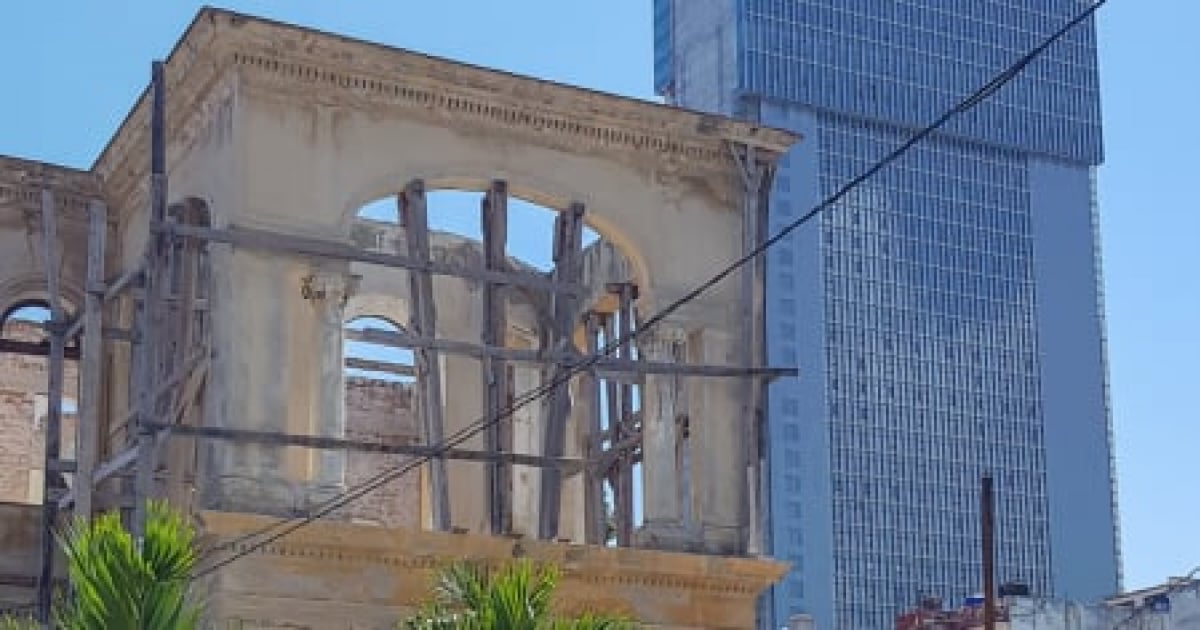
Despite the poor performance, the regime continues to allocate significant resources to the construction of hotels and other tourism infrastructures, while vital sectors such as health, education, and agriculture face deep shortages.
Economist Pedro Monreal described the decline in tourism as "structural" and warned about the disconnection between investment in the sector and its actual profitability.
"International tourism did not occupy even a quarter of hotel capacity in the first quarter. This is a worse outcome than in 2024 and contradicts the official narrative of recovery," he stated.
The Cuban government had set a goal of attracting 2.6 million international visitors by 2025, but after the first four months, it has only managed to draw in 28.5% of that target. Everything suggests that, as was the case in 2024, the island will fall short once again.
With a tourism industry that is increasingly less competitive compared to other Caribbean destinations, marked by deteriorating services, an energy crisis, lack of air connectivity, and issues with security and supply, recovery seems further away than ever.
Frequently Asked Questions about the Tourism Crisis in Cuba in 2025
Why is tourism in Cuba still declining?
Tourism in Cuba continues to decline due to structural and temporary issues such as the energy crisis, lack of air connectivity, deterioration of tourist services, and precarious conditions on the island. Additionally, competition from other Caribbean destinations and the negative perception of the destination also contribute to this decline.
What is the impact of the tourism crisis on the Cuban economy?
The tourism crisis has had a significant impact on the Cuban economy, as tourism is one of its main sources of income. The decrease in visitors has led to a decline in sector revenues, further exacerbating the country's economic situation and also affecting sectors such as hospitality and local businesses.
What measures is the Cuban government taking to reverse the crisis in tourism?
The Cuban government has attempted to diversify its tourism offerings by focusing on nature, cultural, and historical tourism. However, the lack of a clear and effective strategy has hindered the recovery of the sector, and investments in hotel infrastructure have not produced the expected impact due to low demand.
How is the energy crisis affecting tourism in Cuba?
The energy crisis is seriously affecting tourism in Cuba, with frequent blackouts that negatively impact the tourists' experience. This creates a negative perception among visitors, who face limitations in basic services during their stay on the island.
Filed under: