
Related videos:
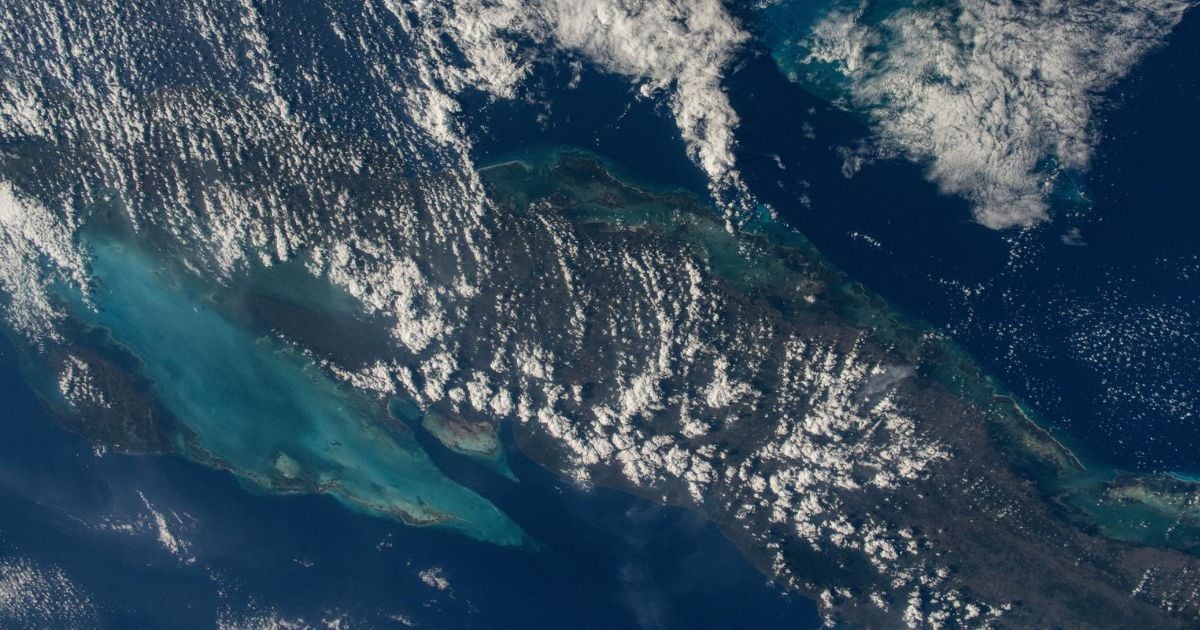
NASA highlighted this Thursday that Cuba was the main setting for the one millionth photograph taken by the crew of Expedition 72 aboard the International Space Station (ISS).
The image was taken by astronaut Nichole Ayers while the station was orbiting approximately 420 kilometers above the Bahamas.
The post was made by the official account of NASA en Español, which celebrated the milestone and highlighted the natural beauty of the image.
The photograph shows a large part of the island covered by clouds, which obscures a clear view of Havana, located on the left side of the image, but the central region and part of the western area of the archipelago can be identified.
This capture is part of the extensive visual archive that astronauts create during their missions for scientific, educational, and outreach purposes.
Cuba, due to its privileged geographical location in the Caribbean, often appears in orbital photographs taken from the ISS.
The contrast between the beauty of the photograph and everyday reality in Cuba did not go unnoticed by several users on social media, who made ironic comments about the photograph, highlighting the energy crisis the country is experiencing.
"From there, you can see the island's lack of electricity," commented one user, while another pointed out that "if the photo were taken at night, you would need a flashlight to find it."
The messages reflect the feelings of many Cubans who daily endure prolonged blackouts and a deteriorated energy infrastructure, while the island appears illuminated from space in a historic image.
In January 2021, another image of Cuba was selected by NASA among the five best photos of Earth taken from space that year, due to its composition and aesthetic value.
A year earlier, in September 2020, the space agency published a spectacular view of Cuban territory that clearly showed its outlines and geographical contrasts.
Additionally, in December 2018, an image captured from the ISS showcased how close Cuba and the United States are, illustrating a geopolitical and visual perspective that attracted the attention of international media.
More recently, in January 2024, an impressive photograph once again revealed the Cuban island profile, reaffirming its continuous presence in NASA's Earth observation missions.
Frequently Asked Questions about Photography of Cuba from the International Space Station and the Energy Crisis on the Island
Why is the one millionth photograph taken from the International Space Station significant?
The one millionth photograph captured from the International Space Station is significant because it highlights the natural beauty of Cuba from space. It was taken by astronaut Nichole Ayers and shows a large part of the island, although covered by clouds. These types of images are used for scientific, educational, and outreach purposes.
What is the current situation of the energy crisis in Cuba?
Cuba is facing a severe energy crisis, characterized by prolonged blackouts and a collapsed electrical system. Lack of maintenance, aging infrastructure, and fuel shortages have resulted in outages of up to 20 hours a day in various parts of the country, impacting the daily lives of citizens.
How has the discontent of Cubans manifested in response to the energy crisis?
The discontent of Cubans has primarily manifested through criticism and mockery on social media. Citizens express their frustration over the lack of electricity, the collapse of infrastructure, and the unequal distribution of resources, while they see images of well-lit tourist areas or official events that they consider disconnected from their daily reality.
What measures have some Cubans taken to cope with the blackouts on the island?
In the face of blackouts, some Cubans have turned to creative and alternative solutions to generate electricity, such as installing solar panels in their homes. These actions reflect the resilience and adaptability of citizens in response to the lack of effective solutions from the government.
Filed under: