
Related videos:
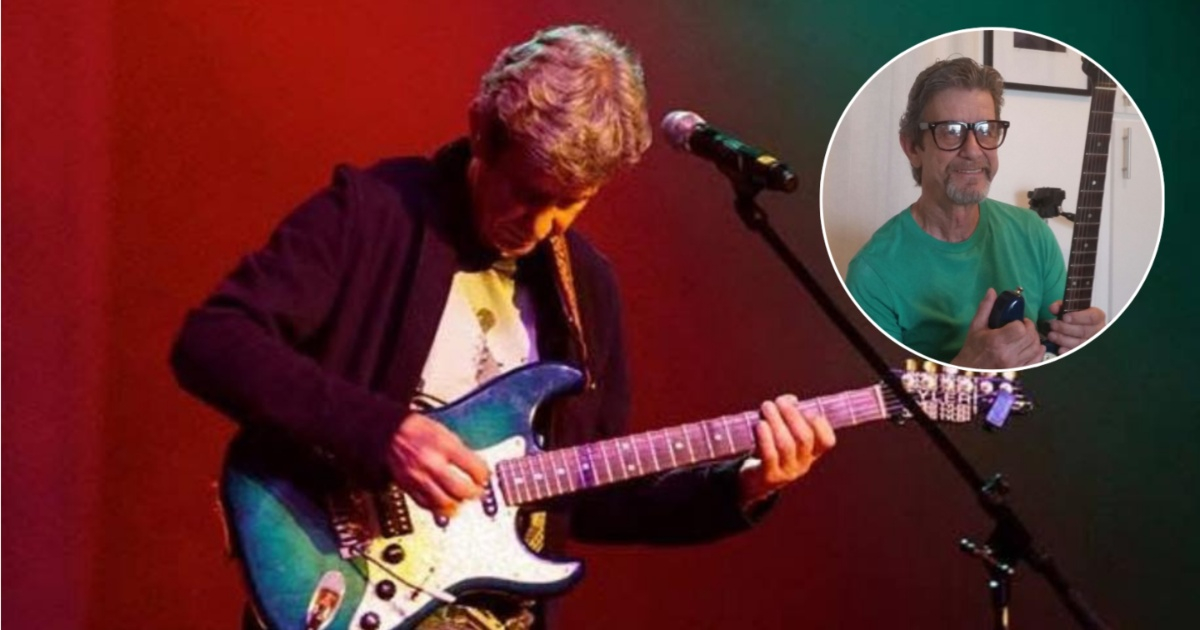
The renowned guitarist Jorge Luis Fernández Pita, "Pepino", who played with the groups Los Jets, Los Walkers, Los Barba, Los Dada, and Almas Vertiginosas, as well as with Pedro Luis Ferrer and Felipe Dulzaides, passed away this Sunday, May 25, in Miami.
The news was confirmed by musician Dagoberto Pedraja, a personal friend of Fernández: "Goodbye dear friend of many years. Rest in peace, I send you a big hug and kiss in farewell."
The Cuban music researcher, Juan Manuel Camacho, expressed his sorrow upon hearing the news and highlighted the extensive career of Pepino, the Cuban who blended rock and jazz "like having a cup of coffee".
The artist Karoll William remembered that Fernández triumphed amid censorship in the Cuban art scene.
"When long hair, Rock, and 'elvipreslian attitudes' were demonized and repressed... Pepino was making music. The night I took this photo, he told me that, after a concert by Almas Vertiginosas, he was detained and interrogated at La Cabaña: '–Who is the CIA agent attending to you?' '–John Lennon,’ he recounted."
Pepino left Cuba in 1985, and the following year he settled in the United States, where he played with the bands Rockstalg, Private Matter, Garaje H, and Funk-U, P.O.E.M. The latter was composed of Pepino, Omar Hernández (bass), Ricardo Eddy Martínez, Edito (keyboardist and music producer), and Mike Porcel.
Rated as a guitar hero by journalist Luis Cino, Pepino "was the closest thing we had to Jimmy Page or Ritchie Blackmore during that time of prohibitions when one would go out to a party where a band was playing and could end up in a jail cell."
According to what Cino described in the text published in Cubanet, Pepino had his hair cut short and had been "labeled as antisocial by the National Revolutionary Police."
In an interview granted to researcher and professor María A. Cabrera Arús for El Estornudo, Fernández, born in Havana in 1952, revealed that his first performance was around 1968, at a private party in the La Víbora neighborhood [of Havana], with a band called Los Fariseos.
His attire and the cultivation of rock music were conflicting elements in Fernández's life, within a context of rejection by Fidel Castro's regime of fashion expressions that it considered linked to foreign or bourgeois influences.
The arrests were always for the same reason: rock = outlandish clothing (they said) = ideological diversionism," Cabrera Arús said, referring to the argument made by Castro, who in public speeches spoke disparagingly about young people dressed in styles considered extravagant or effeminate, like rockers who wore tight pants.
"The clothing was a significant distinguishing factor for the police to request identification, which almost always ended in arrest," he noted.
Pepino was a key figure in the Cuban rock scene during the 70s. He was known for not just copying solos, but for creating long improvisations influenced by jazz-rock, which gave him a unique and progressive style for that time.
He passed away in Miami, leaving an important legacy in Cuban music and in the history of rock on the island.
Frequently Asked Questions about Jorge Luis Fernández Pita, "Pepino," and His Legacy in Cuban Music
Who was Jorge Luis Fernández Pita, known as "Pepino"?
Jorge Luis Fernández Pita, known as "Pepino," was a prominent Cuban guitarist who left a lasting mark on Cuban music by blending rock and jazz. Born in Havana in 1952, Pepino was a pioneer in the Cuban rock scene during the 1970s, performing with bands such as Los Jets, Los Walkers, and Los Barba. After leaving Cuba in 1985, he continued his musical career in the United States, collaborating with various bands until his passing in Miami.
What was Jorge Luis Fernández Pita's impact on Cuban music?
The impact of Jorge Luis Fernández Pita on Cuban music was significant, as he was a key figure in the Cuban rock scene during a time of censorship and repression. His ability to blend genres like rock and jazz allowed him to develop a unique and innovative style for his time. Despite the prohibitions of the Cuban regime, his music influenced many young musicians and contributed to the development of rock on the island.
How did "Pepino" confront censorship in Cuba during his musical career?
Pepino faced censorship in Cuba with bravery, challenging the restrictions imposed by Fidel Castro's regime. In a context where rock music and "elvipreslianas attitudes" were demonized, Pepino persevered in his passion for music despite arrests and police surveillance. His clothing and musical style were deemed subversive, making him a symbol of cultural resistance in Cuba.
What legacy did Jorge Luis Fernández Pita leave behind after his passing?
The legacy of Jorge Luis Fernández Pita is one of innovation and resilience in Cuban music. His unique style and ability to blend musical genres have left an indelible mark on the history of rock in Cuba. Through his collaborations and performances, both in Cuba and the United States, Pepino inspired generations of musicians, keeping the essence of Cuban rock alive despite the adversities.
Filed under: