
Related videos:
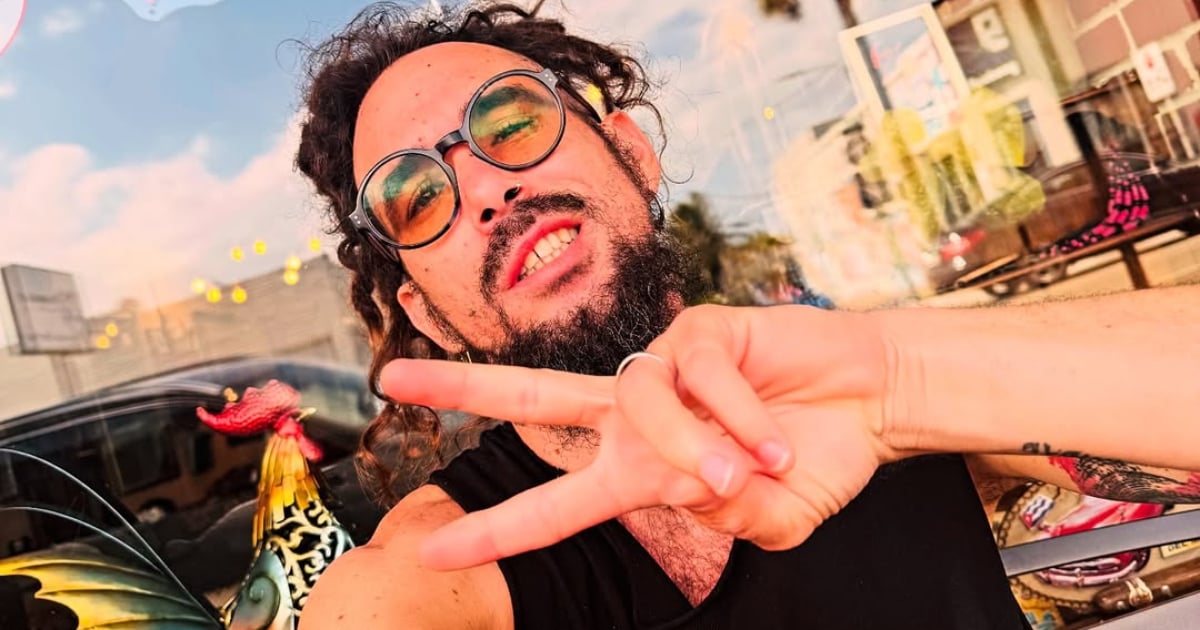
The Cuban rapper and poet Jorge Lian García Díaz, known by his stage name Kamankola, has touched the hearts of thousands with a new poem dedicated to Cubans living in Miami.
The video, which quickly went viral on social media, provides an intimate and honest glimpse into the lives of emigrants, marked by the contrast between material success and lasting nostalgia.
With a direct style rich in symbolism, Kamankola describes how Cubans maintain their identity in foreign lands.
In his verses, he paints vivid images of those who have achieved economic well-being, yet still bear the emotional weight of exile.
With a high level of detail, it characterizes the personality of its compatriots, even from a physical standpoint: it recalls that many wear earrings, rings, and chains.
In poetry, it alludes to the pride with which the material is displayed, as a symbol of a triumph achieved through hard work.
But this ostentation hides deeper scars. As it says in another verse: "In Miami, Cubans feed with confidence, born from the hunger of upbringing and so many prohibitions, and they display their bellies as their greatest revenge."
The memory of hunger in Cuba becomes a driving force and justification for excess in the present, acting as a kind of revenge against the scarcity experienced.
Kamankola also focuses on the solidarity and daily sacrifices of emigrants: "They only dream of their return, and gather every peso to send back to their fellow countrymen."
"And it does not shy away from criticizing the political system that pushed millions to leave their homeland: 'In Miami, Cubans are the eternal hostages of a regime that in its very essence feels only hatred for you, while you are killing yourself here sending what you don't have.'"
The poem speaks of uprooting, the sadness of distance, and the way Cubans have learned to heal their pain with new affections and adopted routines, without forgetting what they left behind.
The piece concludes with a verse of hope that acknowledges the resilience of a community that, despite the pain, has managed to reinvent itself.
"In Miami, the Cubans perpetuated their roots by mourning the silent blood of absence, and with the Cuba of their souls, they have built a country," he concludes.
Kamankola, who has turned words into a weapon of denunciation and comfort, has once again struck a sensitive chord within the Cuban diaspora, which sees itself reflected in these verses: proud, broken, generous, and profoundly Cuban.
Frequently Asked Questions about Kamankola's Poem and the Reality of Cubans in Miami
What is the main message of the poem by Kamankola dedicated to Cubans in Miami?
Kamankola's poem highlights the emotional struggle of Cubans in Miami, who, despite achieving material success, bear the weight of exile and nostalgia for their homeland. It also critiques the Cuban regime that drove them to leave their country.
How does Kamankola describe the life of Cuban emigrants in Miami?
Kamankola paints a vivid picture of Cubans in Miami, showing how, despite achieving economic well-being, they carry emotional scars from exile. His poem reflects both material ostentation and a sense of revenge against the scarcity experienced in Cuba.
What criticism does Kamankola make of the Cuban regime in his poem?
Kamankola criticizes the Cuban regime for being the cause of the exile of millions of Cubans, describing them as "eternal hostages" of a system that only harbors hatred towards them. His poem denounces the political repression that has forced so many to leave their homeland.
What does Kamankola say the material success of Cubans in Miami symbolizes?
The material success of Cubans in Miami is seen as a form of revenge against the scarcity and hunger they experienced in Cuba. Kamankola suggests that the display of material wealth is a response to the pain and hardships endured in their home country.
Filed under: