
Related videos:
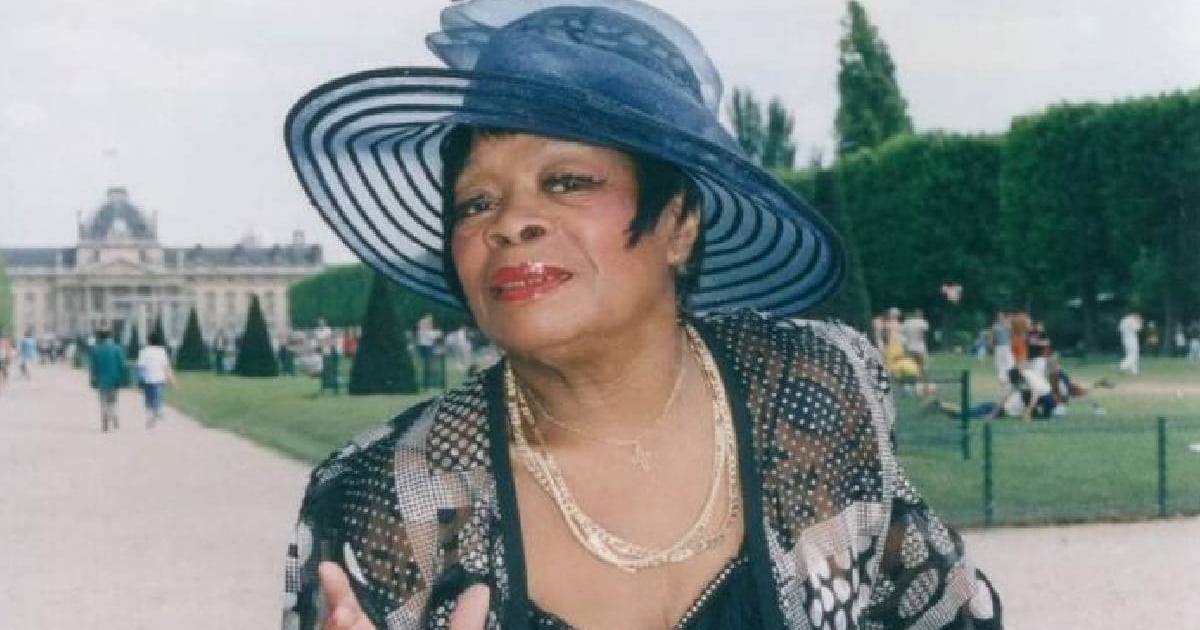
Cuba paid tribute this Monday to the centenary of the unforgettable Juana Bacallao, the show woman who defied labels, broke molds, and became a symbol of irreverence, rhythm, and authenticity on the island.
Born as Neris Amelia Martínez Salazar on May 26, 1925 in the crowded neighborhood of Cayo Hueso in Havana, Juana Bacallao left an indelible mark on the world of cabaret, television, and Cuban popular culture.
Her stage name —Juana Bacallao— came from a popular guaracha written by her discoverer, Maestro Obdulio Morales, who also nicknamed her “The Black Goddess of Cuban Cabarets.”
From her humble beginnings as a domestic worker, Juana developed an unmistakable stage presence, characterized by a unique blend of singing, comedy, exuberant gestures, and an extravagant wardrobe that included wigs, sequins, and sky-high heels.
This is how she built a career that led her to share stages with legends such as Nat King Cole, Benny Moré, Bola de Nieve, Rosita Fornés, Cantinflas, and Rafaella Carrá.
Despite the racist and classist prejudices of her time, Juana became a beloved figure both in Cuba and abroad, with performances in Mexico, Venezuela, Canada, the Dominican Republic, and several European countries.
In Canada, she received a Gold Record and, in Cuba, was awarded the National Humor Prize (2020), the Distinction for National Culture, and the Alejo Carpentier medal.
Juana Bacallao was not only an icon of entertainment but also a free and indomitable voice. "The people made me a star. Cuba is everything," she used to say. Her authenticity and sense of humor earned her the affection of generations who still remember her with emotion.
However, her legacy has also fallen victim to institutional neglect. More than a year after her passing in February 2024 at the age of 98, followers reported a few months ago that her grave in the Colón Cemetery remained without a plaque indicating her resting place. The contrast with other artists buried there then sparked indignation and sadness among those who admired her.
Juana Bacallao lived and died true to herself, resisting the final departure: “I grab a drum and start to sing, and I remain Juana Bacallao,” she once said.
And this is how an entire country remembers her today: authentic, brilliant, and immortal, one hundred years after her birth.
Frequently Asked Questions about Juana Bacallao and her legacy in Cuban culture
Who was Juana Bacallao and why is she an important figure in Cuban culture?
Juana Bacallao was a legendary Cuban showwoman, known for her unique style in cabaret and television. Her real name was Neris Amelia Martínez Salazar, and she became a symbol of irreverence and authenticity. Her career included performances with great figures like Nat King Cole and Benny Moré, and her legacy endures as an inspiration in Cuban culture.
What were the most notable achievements of Juana Bacallao in her career?
Juana Bacallao received several accolades throughout her career, including the National Humor Award in 2020, the Distinction for National Culture, and the Alejo Carpentier medal. Additionally, she won a Gold Record in Canada and enjoyed a successful international career, performing in various countries across Europe and America.
How has Juana Bacallao's legacy been addressed by Cuban institutions?
Despite being a beloved figure, the legacy of Juana Bacallao has suffered from institutional neglect. Her grave in the Colón Cemetery remains unmarked, which has caused outrage among her supporters. This contrast with the treatment of other artists reflects a lack of proper recognition by cultural authorities in Cuba.
What impact did Juana Bacallao have on the entertainment world beyond Cuba?
Juana Bacallao left an international mark with her bold style and talent, performing in countries like Mexico, Venezuela, Canada, and the Dominican Republic. Her authenticity and charisma enabled her to overcome racial and class barriers, making her a figure admired both inside and outside Cuba.
Filed under: