
Related videos:
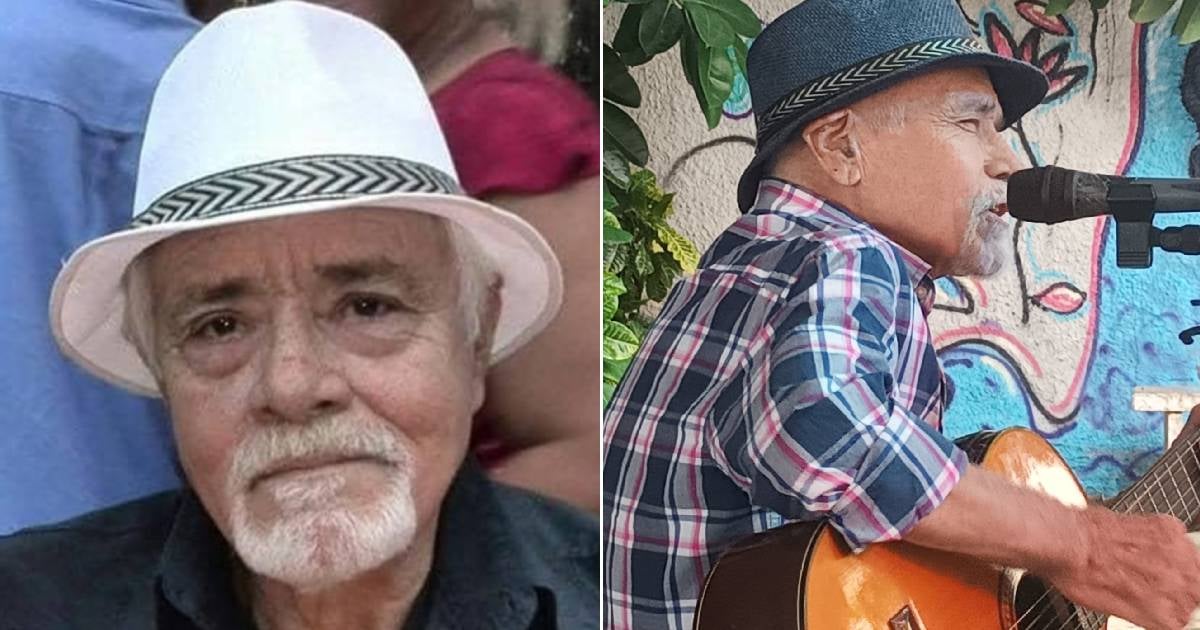
The Cuban composer and singer-songwriter Benito de la Fuente Escalona passed away this Wednesday, May 28, at the age of 77, leaving a significant legacy in the musical landscape of the island, with hits like “Oxígeno,” performed by the brilliant Willy Chirino, among other well-known works.
Born on May 29, 1948, Benito combined his education as a graduate in Psychology (1974) with his musical vocation, leading the Típico de Ciencias group during his university years in Havana, which was dedicated to reinterpreting the classic works of Miguel Matamoros, Manuel Corona, and Ignacio Piñeiro, according to a note published on the state-run website Cubadebate.
His career gained significant recognition as a member of the group Mayohuacán (1976-1990), where he composed nearly one third of the repertoire and performed on national and international stages, even participating in the Political Song Festivals in Berlin (1979 and 1980). He was also the author of other iconic songs such as "En la marejada," "Centroamérica," and "El corazón de La Habana".
In the 1990s, De la Fuente joined the Latin Academy of Recording Arts, serving as a voter for the Latin Grammy Award between 1999 and 2003.
After a period in Venezuela (1993-2006), he became involved with the Alí Primera Bolivarian Song Cultural Association, promoting Latin American folklore from the General Secretariat.
Benito received several awards and honors, including the Distinction for National Culture, the Coin for the 50th anniversary of the New Song Movement, among other prizes awarded by the regime in Havana.
Institutions such as the Ministry of Culture and the Cuban Institute of Music expressed their condolences to family, friends, and colleagues.
Frequently Asked Questions about the Legacy of Benito de la Fuente and His Impact on Cuban Music
Who was Benito de la Fuente and what was his contribution to Cuban music?
Benito de la Fuente Escalona was a prominent Cuban composer and singer-songwriter, known for his hit "Oxígeno" performed by Willy Chirino. His legacy extends to other songs such as “En la marejada,” “Centroamérica,” and “El corazón de La Habana.” Additionally, he was a member of the group Mayohuacán and participated in major international festivals.
In which groups did Benito de la Fuente participate, and what role did he play in them?
Benito de la Fuente led the Típico de Ciencias group during his university years and was a prominent member of the Mayohuacán group from 1976 to 1990. In Mayohuacán, he composed nearly one-third of the group's repertoire and performed on national and international stages, leaving a significant mark on Cuban music.
What awards and recognitions did Benito de la Fuente receive throughout his career?
Benito de la Fuente received several recognitions, including the Distinction for National Culture and the Coin for the 50th anniversary of the New Trova Movement, highlighting his contribution to Cuban culture and his acknowledgment by the regime of Havana.
What was Benito de la Fuente's life like outside of Cuba?
Benito de la Fuente lived in Venezuela between 1993 and 2006, where he became involved with the Asociación Cultural Canción Bolivariana Alí Primera, promoting Latin American folklore. His time in Venezuela was a significant period in his life, contributing to the cultural exchange between both countries.
Filed under: