
Related videos:
The Florida Highway Patrol (FHP) and officials from the City of Miami held a joint press conference this Tuesday to raise awareness about child safety in vehicles, in light of the upcoming summer. During the event, preventive measures were showcased, and practical demonstrations were conducted to alert about the dangers that hot cars pose to children, according to NBC Miami.
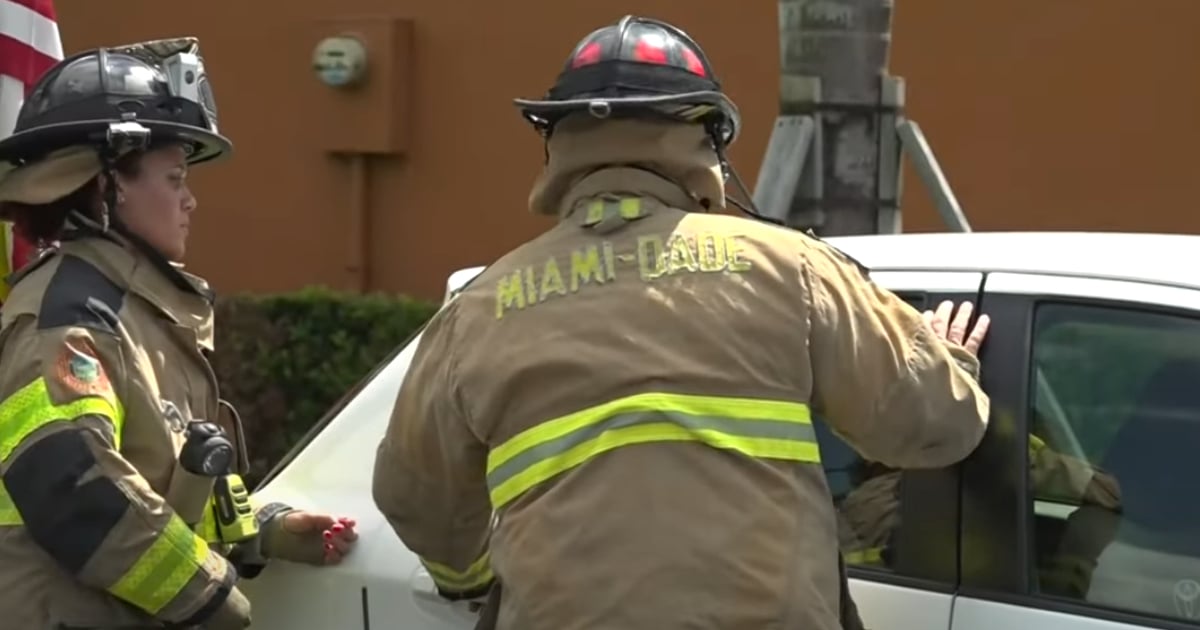
A real-time temperature display showed how quickly the interior of a car can reach potentially deadly levels. The Miami Fire Department took part in a child rescue simulation to illustrate the risks.
According to the organization Kids and Car Safety, in 2024, 40 children died in the United States after being left in or entering vehicles exposed to high temperatures. Four of those cases occurred in Florida. So far in 2025, three deaths have been recorded, as noted by CBS Miami.
From 1990 to 2024, Florida has been the second state with the highest number of child deaths due to this cause, with 112 cases, behind Texas. Most of the deceased minors were three years old or younger.
According to the same source, 55% of the deaths occurred due to accidental forgetfulness; 25% due to a child entering the vehicle unsupervised; 15% because they were intentionally left behind; and the rest due to other circumstances.
During the conference, workshops were held on the installation of child seats, and car seats were provided to attending families. Authorities also recommended practices such as placing a personal item in the back seat to prompt a check before closing the vehicle, and always verifying that children have been removed, according to WSVN.
Lieutenant Alex Camacho from the FHP reminded us that “leaving a child in a hot car may seem unthinkable, but it happens, and the results are often fatal.” For her part, Kenia Fallat, spokesperson for the City of Miami, emphasized the need to educate children to remain properly secured until the age of 12.
Michelle McCoy, mother interviewed by CBS Miami, stated that “many parents can get distracted or be in a hurry, but it is never safe to leave a child alone in a car, not even for a moment.”
On May 13, a woman was arrested in Miami for leaving her two young children in the car while she went into an Ulta Beauty store. According to the police report cited by local media, the children—aged two and a half years and 22 months—were found sweating, with the windows barely open and the engine off. The mother was charged with child neglect.
Among the safety recommendations, the following are also included:
- Always check the back seat before closing the vehicle.
- Place items such as bags, phones, or credentials in the back seat as a reminder.
- Lock the car doors to prevent the children from entering alone.
- Request childcare centers to notify if the child does not arrive as scheduled.
- Teach children to honk the horn or turn on the lights if they get trapped.
Law of the Good Samaritan
The Good Samaritan Law in Florida, outlined in Statute 768.13, legally protects individuals—whether or not they have medical training—who act in good faith to provide first aid in emergency situations, provided they did not cause the injury and act reasonably. This protection extends to those who offer assistance free of charge at the scene, outside of medical facilities, and aims to prevent the fear of potential lawsuits from discouraging citizens from intervening in an accident or critical situation, such as leaving a child in a vehicle under extreme heat.
This type of legislation, common in many U.S. states, aims to promote citizen solidarity in the face of emergencies and is not limited to vehicle rescues. It also protects those who provide assistance after a shooting, in public health emergencies, or during natural disasters, as long as the aid is provided without expectation of reward and with reasonable diligence. Unlike other countries where there is a "duty to rescue," in Florida, there is no legal obligation to intervene, except in specific relationships such as between parents and children or employers and employees.
Legally protects those who break a vehicle window to save a child in danger. Additionally, since 2021, state legislation requires alarms in child transport vehicles, as emphasized by NBC Miami.
Frequently Asked Questions about Child Safety in Vehicles and Risks in Florida
Why is it dangerous to leave children in cars during the summer in Florida?
Leaving children in cars during the summer is extremely dangerous because the temperatures inside the vehicle can rise rapidly, reaching lethal levels. According to the Florida Highway Patrol and Kids and Car Safety, high temperatures can lead to the death of children within minutes, and Florida is one of the states with the highest number of child fatalities due to this cause.
What safety measures do authorities recommend to prevent accidents with children in cars?
Authorities recommend several safety measures, such as always checking the back seat before closing the vehicle, placing personal belongings in the back seat as a reminder, locking the car doors to prevent children from entering alone, and asking childcare centers to notify if the child does not arrive as expected.
What is the Good Samaritan Law in Florida and how does it protect those who rescue children from hot cars?
The Good Samaritan Law in Florida legally protects individuals who act in good faith to provide first aid in emergency situations, such as rescuing children from hot cars, as long as they did not cause the harm and act reasonably. This law aims to encourage citizen intervention without fear of legal repercussions.
How does reckless driving in Miami affect road safety in the region?
Miami ranks among the most dangerous cities for driving in the U.S., with high rates of hazardous behaviors such as rapid acceleration and harsh braking. This increases the risk of accidents and jeopardizes road safety, exacerbating the security crisis on Florida's highways.
Filed under: