
Related videos:
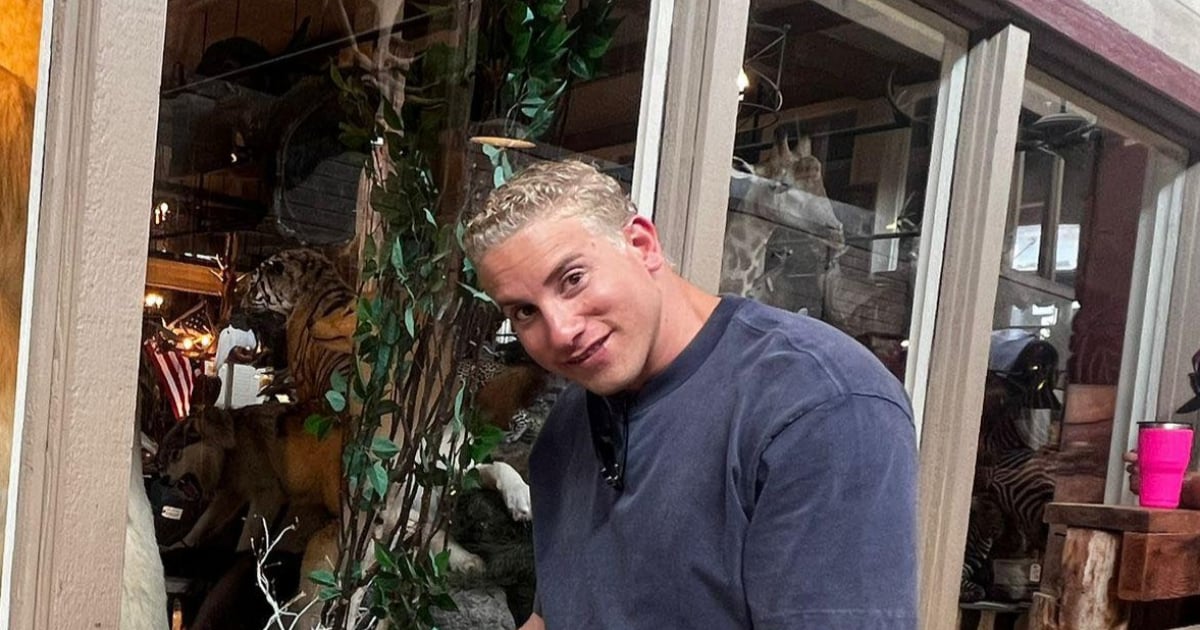
Reinier Feijó, a Cuban with parole I-220A who had been in the United States for three years, was arrested last Wednesday by agents from Immigration and Customs Enforcement (ICE) after voluntarily attending an appointment at the office in Miramar, Florida.
The case has generated shock, as Feijó traveled from Texas with his wife and one-year-old son, intending to comply with the immigration process.
The young man entered the country through the Arizona border in 2022.
The detained man's wife, Karen Tirado, spoke with Univisión 23 and stated that her husband had no criminal record, did not have an assigned cut-off date, and had already begun the process to benefit from the Cuban Adjustment Act.
"My heart is broken; he is the breadwinner for my family and we are very close. My little boy is now calling out 'dad, dad, dad' to everyone who walks by," Tirado said, clearly affected.
The immigration attorney José Guerrero explained to Univisión 23 that, having been detained, Feijó would not have an automatic right to bail.
However, you could still request a "credible fear" interview, which would open the possibility of presenting your asylum case before an immigration judge if you manage to pass that initial stage.
"As he was fighting for asylum, he could still express that he wants a credible fear interview, and if he passes it, he could fight his case before an immigration judge," Guerrero stated.
Feijó's family, meanwhile, remains uncertain about his legal situation and immediate future.
Feijó's case adds to a series of recent arrests of Cuban immigrants during immigration appointments both at the ICE detention center in Miramar and in courts in Downtown Miami, raising alarms among those undergoing similar processes.
Last Thursday, ICE arrested another Cuban after he appeared for a routine appointment in his immigration process at the Miami court.
"That's an injustice, a great injustice. Since arriving in this country the only thing he's done is work and work like a mule", his wife, a legal resident in the United States, shouted through tears.
According to his lawyer, ICE acted immediately after the judge dismissed the man's case.
"I asked the judge to allow me to contest the government's position, but I was not permitted," assured the attorney, who announced that she would go to the ICE offices to try to prevent an imminent deportation.
The tactic used by ICE—dismissing immigration cases to expedite removals—has been described by lawyers and activists as a "legal but deeply questionable" strategy.
Expedited deportation allows for the quick expulsion of immigrants who cannot demonstrate a credible fear of persecution or who have not formally applied for asylum, without the need for a full hearing.
Immigration attorney Ismael Labrador warns that this practice is gaining ground.
"They are dismissing your case and then waiting for you in the hallway to arrest you. This is a serious violation of many rights," noted Labrador, who advised his clients to request virtual hearings, although he admits that ICE could deny these requests if an arrest is already planned.
Reporters from the Miami Herald documented how ICE agents, dressed in plain clothes, linger for hours in the courthouse hallways, waiting for judges to close cases before proceeding with arrests.
Sources from the Department of Homeland Security (DHS) confirmed that the strategy is part of a shift in immigration policy aimed at reinstating rapid deportation measures suspended during the Biden administration, particularly against migrants who entered the country in the last two years.
Reinier's case highlights the increasing tension and challenges faced by many Cubans with I-220A parole, whose immigration status in the United States remains uncertain and subject to constantly changing administrative decisions.
Frequently Asked Questions about the Detention of Cubans with I-220A in the U.S.
Why was Reinier Feijó arrested in Florida despite having an I-220A parole?
Reinier Feijó was arrested by ICE after attending his scheduled appointment in Miramar, Florida, despite having no criminal record and having initiated the process under the Cuban Adjustment Act. His case reflects the increasing uncertainty and tensions for Cubans with I-220A status, who face unexpected arrests during their immigration processes.
What does having an I-220A form mean for Cuban immigrants?
The I-220A form is a "Release on Conditions Order" that allows immigrants to stay in the U.S. under certain conditions, but does not grant them legal status. This leaves beneficiaries in an uncertain situation, especially since they cannot adjust their status under the Cuban Adjustment Act.
What are the legal options for Cubans detained with I-220A?
Detained individuals may request a "credible fear" interview, which, if approved, would allow them to present their asylum case before an immigration judge. However, they do not have an automatic right to bail, complicating their legal situation and increasing anxiety among their families.
Why are the detentions of Cubans with I-220A in Florida escalating?
The detentions reflect a hardening of immigration policies in the U.S., impacting Cubans with I-220A who historically received differentiated treatment. There is an observed increase in supervision and arrests during immigration appointments, which has raised alarm within the migrant community.
Filed under: