
Related videos:
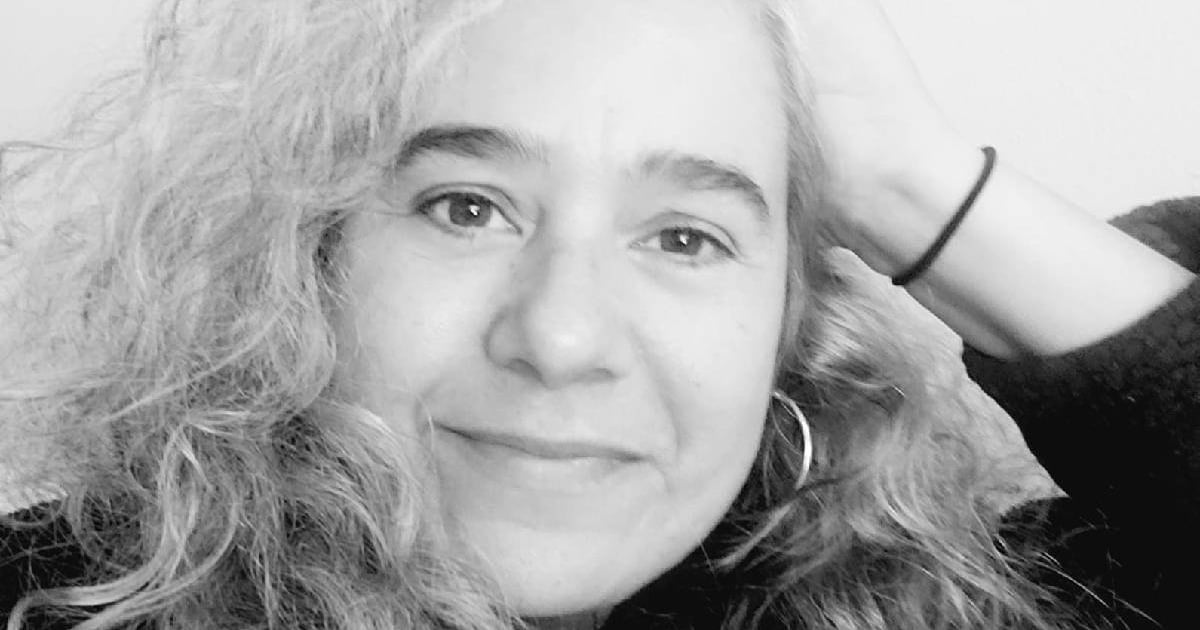
The Cuban actress Ketty de la Iglesia shared a powerful reflection this Tuesday on social media about the emotional and social state of the Cuban community in exile, characterized by disillusionment, migratory pain, and a growing lack of empathy among its own members.
“This season is so heavy, so many people are suffering and so many others are showing their ‘I don't care’,” the artist wrote on her Facebook profile, alluding to the increasingly evident contrast between those facing situations of vulnerability and those who appear indifferent in the midst of the Cuban migration crisis.
The actress expressed concern for the thousands of Cubans who have recently lost their work permits in the United States and who, according to her, are the same ones who used to evoke compassion when discussing hunger and misery on the island: "It's just that these managed to escape," she pointed out.
In a critical and perplexed tone, De la Iglesia asked: “What makes them hurt when they are on the island, and yet they couldn't care less when they are here? It’s a phenomenon worth studying.”
Although he clarified that his message was not intended to analyze the politics of any government or party, he made it clear that his interest was to draw attention to the emotional fracture he perceives within the Cuban migrant community.
"I’m just trying to understand a community that I see becoming increasingly isolated and self-destructive," he stated.
Ketty de la Iglesia, known for her work in Cuban theater and television, is part of a growing group of artists who, from exile, not only raise their voices about the situation on the island but also about the challenges faced by the diaspora in their host environments.
During the last days of May, the feeling of uncertainty and vulnerability intensified among Cubans in exile, especially in the United States, following the news that the Supreme Court allowed President Donald Trump to revoke the humanitarian parole program.
This judicial ruling enabled the Republican government to cancel one of the few legal mechanisms that had served as an orderly entry route for thousands of migrants from countries such as Cuba, Haiti, Nicaragua, and Venezuela.
The impact was immediate to the extent that Congresswoman María Elvira Salazar requested that the affected migrants not be deported due to the suspension of the parole.
The measure sparked a wave of reactions among Cubans. Numerous migrants reported feeling abandoned after losing their legal permits. Some pointed out that this policy shift not only threatens their ability to stay, but also the well-being of their families and their emotional stability.
Frequently Asked Questions about the Situation of Cubans in Exile and the Emigrant Community
What is Ketty de la Iglesia's main concern regarding the Cuban community in exile?
Ketty de la Iglesia's main concern is the emotional and social fracture she perceives in the Cuban community in exile. She observes a sense of disenchantment and migratory pain, accompanied by a growing lack of empathy among its members. This is reflected in the indifference of some towards the difficulties others face, leading to an increasingly solitary and self-destructive environment.
What phenomenon does Ketty de la Iglesia highlight regarding the behavior of Cubans in exile?
Ketty de la Iglesia highlights the apparent indifference of some Cubans in exile towards the difficulties of their compatriots that once moved them. According to the actress, those who managed to escape the island seem to lose empathy for those who continue to suffer, a phenomenon she considers worthy of study. This lack of solidarity underscores an emotional division within the Cuban diaspora.
How does Ketty de la Iglesia describe the emotional situation of Cubans who have lost their work permits in the United States?
Ketty de la Iglesia describes the emotional situation of these Cubans as alarming and disconcerting. She refers to them as individuals who once evoked sympathy due to the misery on the island, but who now face new challenges after losing their work permits in the United States. This situation reflects a migration crisis that profoundly affects the lives of Cubans in exile.
What message is Ketty de la Iglesia trying to convey with her reflection on the Cuban community in exile?
Ketty de la Iglesia seeks to draw attention to the need for empathy and unity within the Cuban community in exile. While her reflection does not aim to analyze government policies, it does emphasize the importance of understanding and emotionally supporting members of the diaspora, who face significant challenges in their new environments.
Filed under: