
Related videos:
The chief of the Miami Sector of the United States Border Patrol, Jeffrey Dinise, reported this week on the arrest of an undocumented Cuban citizen, whom he identified as a member of the street gang Latin Kings.
Through an official publication, Dinise presented the detained individual as part of its weekly campaign to highlight relevant cases.
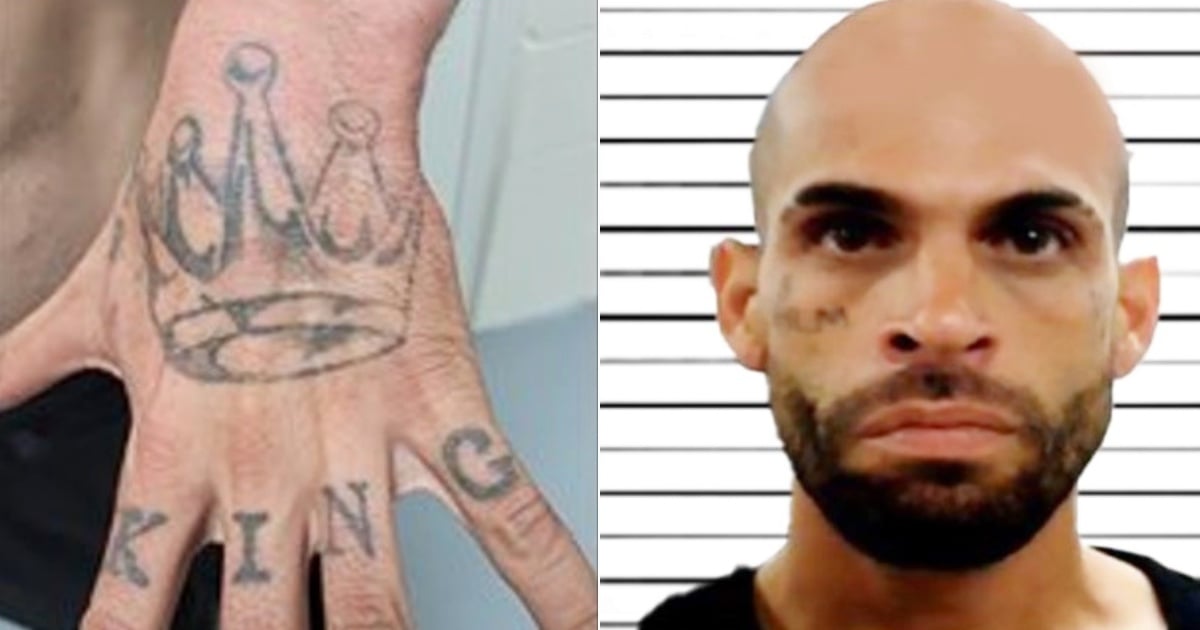
“Criminal of the week: Meet Ángel Rodríguez, an illegal immigrant from Cuba who is a member of the street gang Latin Kings”, he wrote on X alongside an image of the arrested individual, including his tattoos.
According to the chief agent, Ángel Rodríguez has a criminal record that includes charges for: identity theft; grand theft; possession of a firearm by a felon; and document forgery.
The Border Patrol did not provide additional information about the exact circumstances of the Cuban's arrest, nor about the location where he was apprehended. It was only stated that the arrest took place earlier this week.
Who are the Latin Kings?
The Almighty Latin King and Queen Nation (ALKQN), commonly known as Latin Kings, is one of the oldest, largest, and most organized Spanish-speaking gangs in the United States.
Founded in Chicago in the 1950s by young Puerto Ricans and other Latin American immigrants, its origins were tied to community self-defense and ethnic pride, although over time it evolved into a criminal organization linked to drug trafficking, armed violence, and organized crime.
Over the decades, the Latin Kings have spread to multiple U.S. cities, including New York, where in 1986 the Bloodline faction emerged, led from prison by Luis "King Blood" Felipe, who was sentenced to 250 years for his involvement in multiple murders and acts of extortion.
The members of this gang typically identify themselves with the colors gold and black, as well as symbols like the five-pointed crown.
Its structure is highly hierarchical and disciplined, with very strict internal rules outlined in a document called "La Literatura," which serves as its ideological and organizational manifesto.
Punishments within the organization can range from fines to beatings, and even executions, if it is deemed that a member has violated their internal codes.
The group has expanded beyond the United States, with a presence in countries such as Spain, Ecuador, and Colombia, and continues to be under constant surveillance by federal and state authorities due to its involvement in criminal activities such as drug trafficking, money laundering, and street violence.
Federal repression and political context
The arrest of alleged gang members such as the Latin Kings is part of a broader policy of repression against organized crime implemented by the Donald Trump administration, which has promoted a tough stance against street gangs operating on U.S. soil, many of which are made up of Latin American immigrants or citizens of Hispanic origin.
This approach includes strengthening inter-agency alliances, utilizing legal tools such as the RICO Act to prosecute members of criminal organizations, and increasing joint operations among immigration agencies, local police departments, and the FBI.
Since Trump's arrival in the presidency on January 20, his Administration has deported a growing number of gang members. However, civil rights organizations criticize that in some cases, tattoos have served as the sole reason for making arrests and deportations.
Frequently Asked Questions about the Arrest of a Cuban Linked to the Latin Kings in Florida
Who is Ángel Rodríguez and why was he arrested in Florida?
Ángel Rodríguez is an undocumented Cuban citizen identified as a member of the Latin Kings gang, who was arrested in Florida. His criminal record includes charges of identity theft, grand theft, possession of a firearm by a felon, and forgery of documents.
What are the Latin Kings and what is their influence in the United States?
The Latin Kings are one of the oldest, largest, and most organized Spanish-speaking gangs in the United States, originating in Chicago in the 1950s. Although they began as a community self-defense group, they evolved into organized crime, becoming involved in drug trafficking and armed violence. Their structure is hierarchical, with strict internal rules outlined in a document called "The Literature."
How has the Trump administration influenced the arrest of gang members in the United States?
The administration of Donald Trump has promoted a tough policy against street gangs, particularly those composed of Latino immigrants or citizens of Hispanic origin. This includes strengthening inter-agency alliances and using legal tools like the RICO Act to prosecute members of criminal organizations. Since his return to the presidency, there has been an increase in joint operations to arrest and deport these individuals.
What immigration policies has Trump implemented upon his return to the presidency?
Since his return to the presidency, Trump has implemented immigration policies aimed at curbing illegal immigration and protecting the borders of the United States. These policies have led to the deportation of thousands of immigrants, with a special focus on those with criminal records. The administration has also increased operations to arrest illegal foreigners and has begun to consider deporting immigrants to the Guantanamo Naval Base.
Filed under: