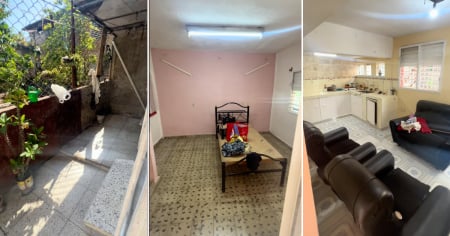
A group of Cuban mothers demonstrated in front of the Municipal Assembly of Boyeros in Havana, demanding concrete answers to requests made over two months ago regarding the critical situation they face alongside their children with severe disabilities.
“We went to the provincial government, presented our situation, and we have been waiting for a response for over two months. Now we have come to the municipal office to seek them out,” stated Martí Noticias Felipa Hortensia Arencibia, one of the affected individuals.
The woman lives in a small apartment with five children, and the youngest, who is seven years old, suffers from multiple disabilities, including blindness, muteness, and motor limitations.
Women have been peacefully organizing in various provinces of the country for over a year to highlight the neglect they face from the State.
In early May, some of them went to the Ministry of Public Health and the Provincial Government of Havana, requesting food assistance, specialized medical care, and dignified living conditions. To date, they claim to have received no real solutions.
"I want to achieve a better quality of life, to receive help with my son's nutrition. He suffers from severe malnutrition and weighs 9 kilograms. They promised me a special diet and probiotic yogurt, but 25 days have passed and nothing has arrived. The store is not getting anything. My son's life depends on that nutrition," Arencibia reported, visibly upset.
Glare Noelvis Valera Madrazo, mother of a 12-year-old boy with gangliosidosis, a rare genetic disease, also participated in the protest.
"He has no control over his bowel movements, is malnourished, and has been out of school for years. They don't even go to his home to teach him. During his last hospital stay, there was no suitable food for him," he reported.
Yaquelin Valdés, another of the protesters, takes care of her 20-year-old daughter with hydrocephalus. “She is bedridden, her mind is like that of a child. I don’t have diapers, she urinates on herself, she has bowel movements, and she develops bedsores. The wheelchair is flat, I don’t have milk. This is not a life for her,” she said through tears.
The situation of these families stands in stark contrast to the constitutional guarantees promised by the Cuban system regarding health, social care, and housing.
The reality, these mothers assert, is marked by institutional negligence and a lack of essential resources.
Dianelis Arozarena Piedras, who lives with her 17-year-old daughter with microcephaly and epilepsy in a place without water or a bathroom, expressed her fatigue with the empty promises: “I go from office to office, begging, demanding, and all I receive are words.”
These protests, which have already taken place in other provinces such as Pinar del Río and Guantánamo, highlight the growing desperation of caregiving women in Cuba.
"We want solutions, not excuses. We are not afraid," they assured.
Frequently asked questions about the protests of Cuban mothers regarding the situation of their children with disabilities
Why have Cuban mothers decided to protest?
Cuban mothers are protesting to demand answers regarding the requests submitted over two months ago about the precarious situation in which they live with their children who have severe disabilities. They have asked for food assistance, specialized medical care, and decent housing conditions, but have not received any real solutions from the government.
What do the mothers report about the care from the Cuban government?
Mothers report that the Cuban government has been negligent and ineffective in fulfilling the promises of social and health care established by the Constitution. Despite the constitutional guarantees, the reality they face is one of neglect and a lack of essential resources for their children with disabilities.
What challenges do children with disabilities face in Cuba?
Children with disabilities in Cuba face extreme living conditions, such as malnutrition, lack of specialized medical care, and absence of basic resources like adequate food and assistive mobility. Mothers have pointed out that these conditions not only affect the quality of life but also jeopardize their children's survival.
What actions have mothers taken to highlight their situation?
Mothers have organized peacefully and have held protests in different provinces of Cuba, such as Pinar del Río and Guantánamo, to highlight the abandonment they face from the State. They have approached government institutions, but continue to receive no effective responses.
Filed under: