
Related videos:
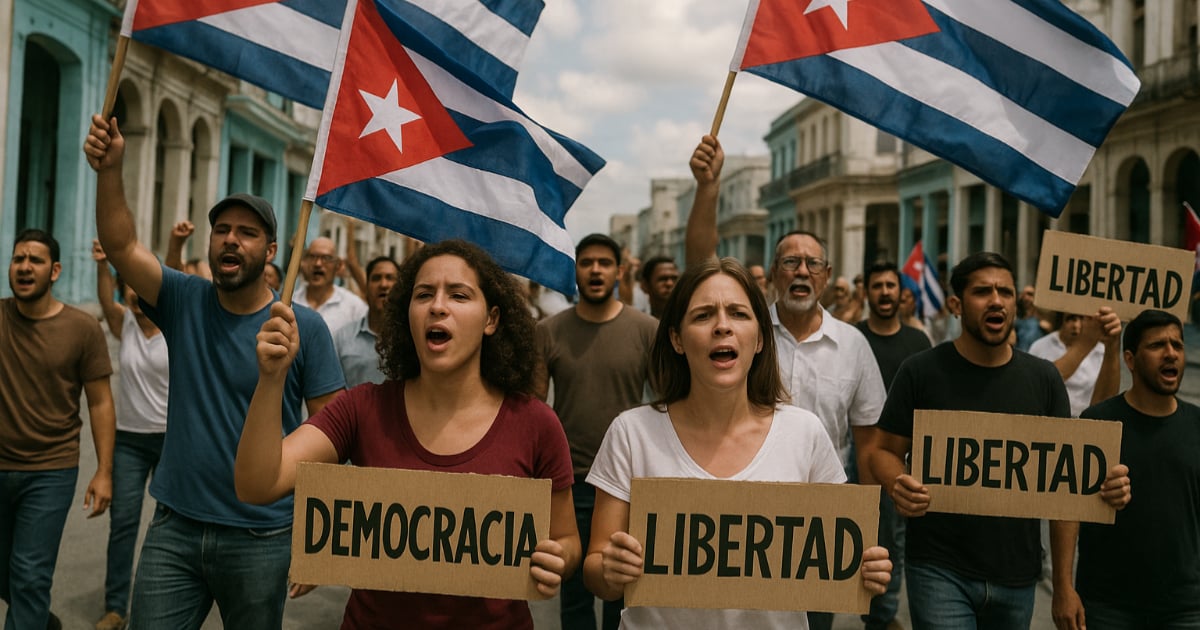
In the midst of a growing climate of social discontent and citizen protests in various areas of the island, the civic platform Pasos de Cambio published a structured, peaceful, and participatory roadmap on Wednesday to advance towards a democratic transition in Cuba.
The compendium titled “Guidelines for Citizen Mobilization for Change in Cuba” outlines the main proposals from citizens and Cuban organizations both inside and outside the country, as a result of an open call that concluded on April 21st.
Under the principle of unity and nonviolent action, the guidelines aim to articulate a national movement capable of dismantling the current political system and establishing a democracy with full civil, political, and economic guarantees.
The proposals converge on five essential strategic lines based on peaceful mobilization, citizen organization, international pressure, and support for independent media.
Peaceful mobilization and civil disobedience: The use of tools such as public protests, pot-banging, boycotts, sit-ins, student strikes, and civic information campaigns is encouraged. All these actions are aimed at highlighting social discontent and undermining the legitimacy of the regime, always maintaining a non-violent character.
Local and national citizen organization: The importance of creating coordination networks within Cuba is emphasized, even under conditions of secrecy, which can plan and execute resistance actions. These networks will have logistical support and awareness from the Cuban diaspora.
Roadmap for Political Change:
The plan for a democratic transition is conceived in five stages: immediate respect for fundamental rights, release of political prisoners, and an end to repression; resignation of the regime's leadership and formation of an independent electoral committee; conducting a binding plebiscite; establishment of a transitional government; and holding free, plural elections with international observation.
Coordinated international pressure: The platform aims to mobilize the international community through advocacy campaigns, documentation of human rights violations, and diplomatic efforts with governments and multilateral organizations.
Support for independent media and free economy: The document emphasizes the urgency of breaking the state monopoly on media and promoting free access to the internet. It also highlights the need to encourage genuinely independent economic ventures as a means of empowering citizens.
The initiative is part of the campaign "Your Voice Matters in the Cuban Democratic Transition," launched in April by Pasos de Cambio, with the aim of gathering concrete proposals from Cubans both inside and outside the country.
"We came together beyond our individual strategies, aware of the need for a significant change in the political, social, and economic structures of our country," the platform stated then.
The proposals gathered range from immediate actions to long-term structural transformations, and were fully published on the official website of the initiative: pasosdecambio.com.
The proponents of the initiative aimed to create an inclusive and diverse roadmap for the Cuban transition, at a time when civic and student protests are gaining strength within the Island.
Frequently Asked Questions about the Democratic Transition in Cuba
What does the document "Guidelines for Citizen Mobilization for Change in Cuba" propose?
The document proposes an organized, peaceful, and participatory roadmap to advance towards a democratic transition in Cuba. This plan includes peaceful mobilization, citizen organization, a political roadmap, international pressure, and support for independent media and a free economy.
What are the five stages of the roadmap toward political change in Cuba?
The roadmap towards political change in Cuba is conceived in five stages: 1) Immediate respect for fundamental rights, release of political prisoners, and an end to repression; 2) Resignation of the regime's leaders and formation of an independent electoral committee; 3) Conducting a binding referendum; 4) Establishment of a transitional government; 5) Holding free, plural elections with international observation.
How can international pressure influence Cuba's democratic transition?
International pressure can influence through advocacy campaigns, documentation of human rights violations, and diplomatic efforts with governments and multilateral organizations. This aims to mobilize the international community to support democratization and deter the regime from resorting to violence.
What role do independent media play in the democratic transition in Cuba according to the proposed guidelines?
Independent media play a fundamental role in breaking the state monopoly on information and fostering free access to the internet, which is crucial for empowering citizens and ensuring transparency during the transition process.
Filed under: