
Related videos:
More and more Cubans are only eating once a day, warned the organization Food Program Monitor (FPM) while denouncing a food crisis exacerbated by prolonged blackouts, unusable kitchens, and the inability to preserve food on the Island.
“The Cuban people resist; but not out of heroism, but because they have no other choice,” denounces the report, which starkly describes how entire families survive in darkness, with broken refrigerators, makeshift stoves fueled by charcoal or firewood, and food that must be consumed immediately to avoid spoilage.
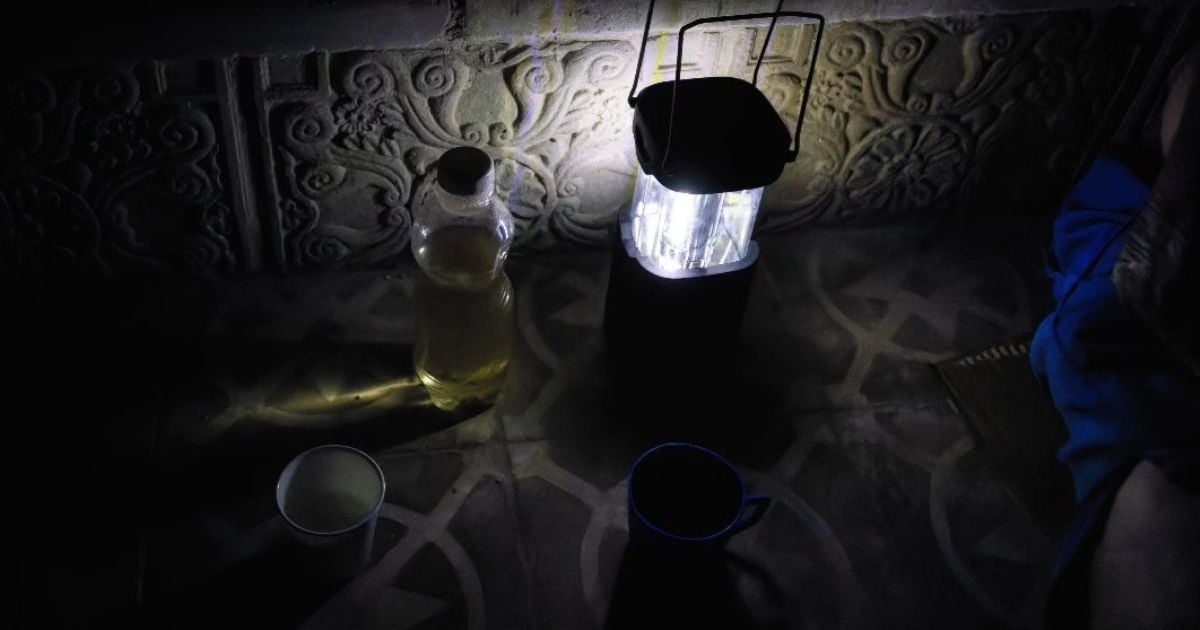
In several neighborhoods across the country, electricity is absent for sixteen, twenty, or even thirty-six consecutive hours, which hinders food preservation and forces people to reorganize their entire domestic life around the brief moments when power returns, often in the early hours of the morning.
The collected testimonies reveal that the refrigerators have been permanently disconnected, turned into mere empty boxes.
According to FPM, the daily diet has been reduced to rice or some root vegetable; obtaining meat, bread, oil, eggs, salt, or sugar has become a stroke of luck; and there are some who report eating only once a day.
Alongside the energy crisis, the distribution of liquefied gas has vanished in many municipalities, and instead, families have had to return to cooking with firewood or charcoal, whenever they manage to obtain them.
In multifamily buildings, this is almost impossible, which is why stoves have been improvised in shared patios or hallways; “Cooking has once again become an activity that consumes several hours of the day, like in Paleolithic times,” emphasized the article.
But the drama is not just material: the report highlighted the psychological and emotional impact of the collapse, which translates into sadness, fatigue, fear, and sustained tension.
People speak in low voices, cast their eyes down in queues, and seek refuge in silence, while at night the darkness is not only due to the lack of light but also the presence of the repressive apparatus, whose surveillance doesn't cease even during a blackout, FPM emphasized.
In this context, those who possess foreign currency can pay up to 50,000 Cuban pesos for an illegal electrical connection from another circuit, fueling a corruption that flourishes among the ruins of the official system, the monitoring program reported.
FPM concluded that the food and energy crisis has already reconfigured life in Cuba: daily planning revolves around the sun, power outages dictate the rhythms of communities, and isolation—exacerbated by poor connectivity and the rate increase imposed by ETECSA—takes a toll on the spirits of a people who survive more than they live.
Despite everything, the report highlights that even amidst this gloom, “there is a faith that burns like embers among the ashes”: the belief that “there is little time left for this.”
A silent yet resilient dignity keeps the hope for change alive among those who have not yet given up.
Frequently Asked Questions about the Food and Energy Crisis in Cuba
Why are more and more Cubans only eating once a day?
The food crisis in Cuba has reduced the daily diet to rice or some root vegetable, and obtaining basic food items such as meat, bread, oil, eggs, salt, or sugar has become a stroke of luck. This situation has led many people to eat only once a day, worsened by the scarcity of resources and the inability to preserve food due to prolonged power outages.
How do blackouts affect daily life in Cuba?
Prolonged power outages, which can last up to 36 hours, hinder food preservation and require the reorganization of domestic life around electricity. Many families are forced to cook at odd hours and resort to old methods like wood or coal, which consumes time and resources.
What is the situation with liquefied gas in Cuba?
The supply of liquefied gas in Cuba faces a significant deficit, which has forced many families to cook with firewood or charcoal. This situation not only represents a setback but also poses risks to health and the environment. The shortage is due to financial and logistical issues that have hindered regular access to this essential fuel.
What impact does this crisis have on the health and well-being of Cubans?
The food and energy crisis in Cuba has a profound impact on the health and well-being of the population, leading to malnutrition, respiratory illnesses, and emotional deterioration. The lack of food and poor conditions for cooking negatively affect physical and mental development, especially in the most vulnerable groups such as children and the elderly.
Filed under: