An emotional video posted on TikTok by Cuban user @daniela_madrigal has touched thousands of people on social media. In the clip, the young mother appears in tears alongside a picture of her son, who is growing up in Cuba with his grandmother. "There is nothing worse in this world than watching your child grow up over a video call," she wrote in the video, as she is visibly affected.
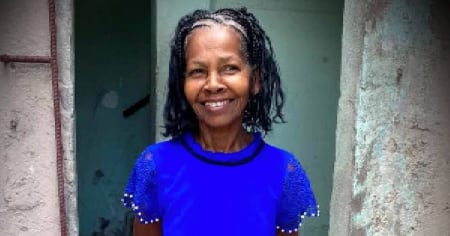
In the images, the child can be seen, smiling and proud, posing with his grandmother while holding a trophy. Despite the pain, Daniela thanked her mother, who has devotedly taken care of the little one: "I give thanks to God and to my mother who takes care of him as I do."
The testimony has generated a wave of solidarity among other Cubans in similar situations, who are also experiencing family separation due to migration. "I've been in this situation for nine years," commented one user, while another added, "I don't know you, but I understand you so well."
Among the many messages of support, phrases such as: "Stay strong, my love, it's not easy," "God is great," and "One day you will return, that's something we long for dearly" can be read. The video has been described by many as a painful reflection of the reality of hundreds of Cuban mothers and fathers who, in search of a better future, are forced to live far from their children.
The post by @daniela_madrigal adds to the voices that denounce the harsh human consequences of migration, bringing to light the emotions that often lie behind the stories of those who leave their home country.
Frequently Asked Questions about Family Separation and Cuban Migration
What is the emotional impact of family separation on Cuban migrants?
The emotional impact of family separation on Cuban migrants is profound and painful. Many fathers and mothers face the suffering of watching their children grow from a distance, which generates feelings of sadness, helplessness, and nostalgia. Social media platforms like TikTok have helped to highlight these testimonies and connect those who are experiencing similar situations, creating a community of support and mutual understanding.
What role do social networks play in highlighting the issue of family separation in Cuba?
Social media, especially TikTok, plays a crucial role in raising awareness about the Cuban family separation. These platforms allow migrants to share their experiences and emotions, fostering empathy and solidarity among those living similar situations. Furthermore, videos and testimonials go viral, sensitizing a broader audience to the challenges faced by Cuban families due to emigration.
How do immigration policies affect family reunification for Cubans?
Immigration policies significantly impact the family reunification of Cubans. Restrictions both in Cuba and in host countries, such as the United States, make it difficult for families to come together. Many times, migrants must endure long waits to obtain citizenship or permits that allow them to bring their children or return to the island. This situation causes prolonged emotional suffering and a sense of despair among those affected.
What alternatives do Cuban migrants have to stay connected with their families on the island?
Cuban migrants primarily use video calls and social media to stay connected with their families on the island. Although these tools do not replace physical contact, they allow parents to see their children grow and share important moments, partially alleviating the emotional burden of separation. They also rely on virtual communities where they can share their experiences and receive emotional support.
Filed under: