
Related videos:
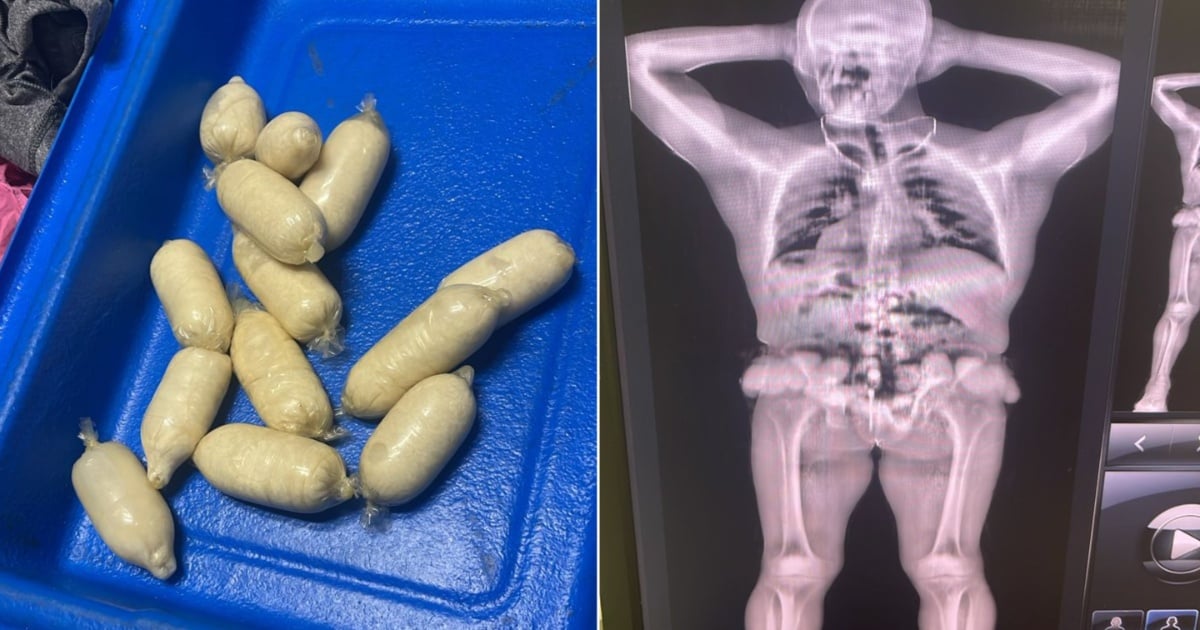
The authorities of the Customs of Cuba announced this Friday the detection of liquid narcotics inside the body of a man at the José Martí International Airport in Havana, amidst a crackdown by the regime against drugs.
The operation was confirmed by William Pérez González, deputy chief of Customs, who specified that the passenger was attempting to evade security checks by hiding capsules of liquid cocaine inserted inside condoms.
So far, the man's identity has not been revealed. The detained citizen has been placed at the disposal of the relevant authorities, who have initiated an investigation to clarify additional details of the case.
This case adds to others reported in recent months, where Cuban authorities have detected various methods of drug trafficking, including ingested capsules, jars concealed in luggage, and even drugs hidden in personal items.
Authorities indicate that there is an increase in the use of liquid forms of narcotics, which represents an additional challenge for inspection systems.
William Pérez González emphasized in previous statements that enhancing surveillance at airports is key to preventing the entry of drugs to the island.
In addition, he acknowledged the creativity of traffickers in attempting to evade controls through "ingenious methods of concealment," but assured that the Customs of Cuba maintains strict border safeguards and ongoing training for its staff.
The regime's fight against drug trafficking has led to the and the use of specialized technology at the main entry points into the country in recent years.
Authorities reiterate their "commitment" to zero tolerance toward drug trafficking and warn citizens about the legal and criminal consequences of these offenses.
Last week, Customs detected drugs concealed in gummy candies and electronic cigarettes at Jardines del Rey International Airport, thanks to routine checks and the use of canine techniques.
To evade customs controls, drugs have been concealed in gummy candies, electronic cigarettes, beverages, disposable diapers, rechargeable light bulbs, and hidden compartments in luggage.
Frequently Asked Questions about Drug Trafficking at Airports in Cuba
How did the Cuban authorities detect the attempted drug trafficking at Havana Airport?
Customs authorities detected liquid narcotics inside the body of a man at the José Martí International Airport in Havana. The passenger was attempting to evade security checks by concealing capsules of liquid cocaine in condoms.
What are the most common methods used for drug trafficking in Cuba?
The most common methods include ingested capsules, bottles hidden in luggage, and drugs concealed within personal items, such as gummy candies, electronic cigarettes, and disposable diapers. Attempts to hide drugs in rechargeable light bulbs and hidden compartments in suitcases have also been detected.
What measures are the Cuban authorities taking to combat drug trafficking?
The authorities have strengthened surveillance at airports and the use of specialized technology to prevent the entry of drugs into the island. Furthermore, training for customs personnel has been enhanced, along with the implementation of canine techniques in the inspections.
What consequences do those who attempt to traffic drugs in Cuba face?
Authorities warn of severe legal and criminal consequences for those who attempt to traffic drugs in Cuba. Penalties can reach up to 30 years in prison, life imprisonment, or even the death penalty in aggravated cases.
Filed under: