
Related videos:
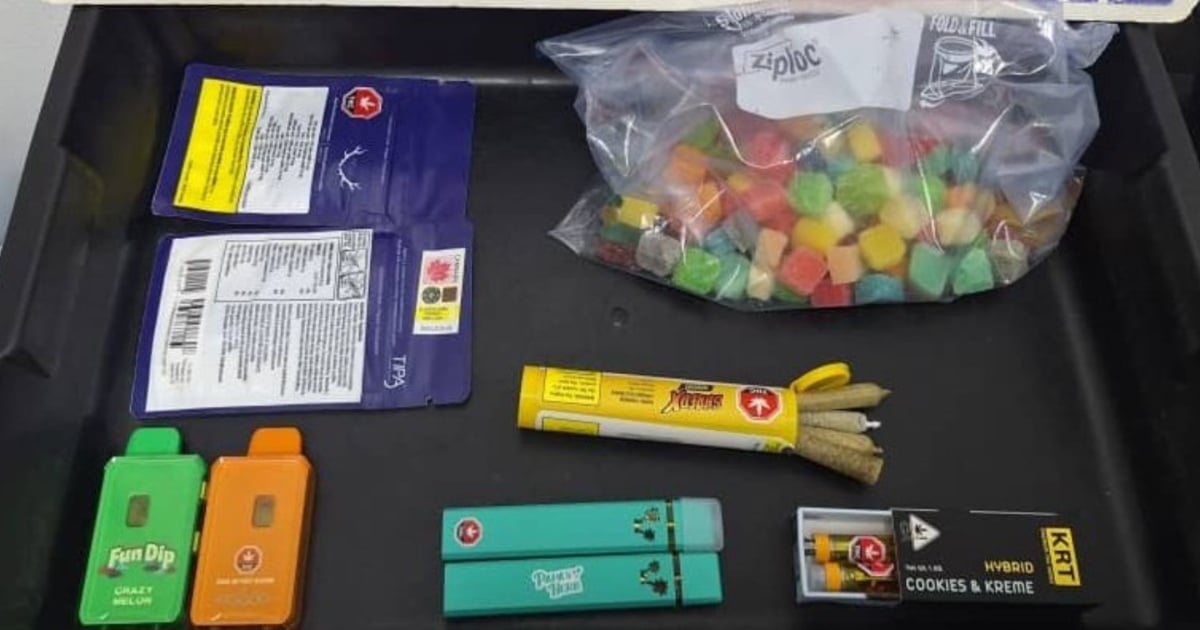
Customs agents detected attempts this weekend to smuggle drugs for personal use hidden inside gummies and electronic cigarettes at Jardines del Rey International Airport, located in the tourist area of Cayo Coco.
The alert was confirmed on the social media platform X by the Deputy Chief of Customs, Wiliam Pérez González, who highlighted the work of the canine unit in the discovery.
According to the authorities, the drugs were found during routine checks of baggage entering the country. In addition to gummies and vaping devices, substances soaked in paper were also reported, a concealment method that is becoming increasingly common in domestic trafficking attempts.
The incident has renewed attention on innovative methods used by travelers to smuggle illegal drugs onto the island, especially via air routes with heavy tourist traffic.
Cayo Coco, one of the main international tourist destinations in Cuba, is among the airports with the highest levels of surveillance by the regime's customs forces.
In previous publications, the Cuban Customs has reported similar seizures at airports such as Varadero and Havana, where drugs were found concealed in cosmetic capsules, coffee containers, deodorants, and even among intimate apparel. In all cases, those involved faced administrative and criminal penalties.
During 2023 and the early months of 2024, the institution reported a increase in the sophistication of concealment methods and emphasized that the most commonly detected substances are marijuana, cocaine, synthetic cannabinoids, and methamphetamines.
The deputy customs chief pointed out that these actions openly violate Cuban laws and pose a direct threat to public health, especially due to the informal distribution of products such as food items or electronic cigarettes containing drugs among young people and tourists.
This month, the regime announced the launch of the National Drug Observatory to "strengthen" oversight of emerging psychoactive substances and "improve the state's response capacity."
The Observatory will integrate three main components: an information network, a research network, and an early warning system to detect changes in the phenomenon of drug consumption and trafficking.
In recent weeks, the Cuban regime has intensified its speech and repressive actions against drug trafficking, in an attempt to control a situation that has gotten out of hand.
The activation of a national exercise against drug trafficking, involving governmental institutions and repressive forces, was presented as a demonstration of institutional commitment, but it also reveals a growing concern regarding the expansion of the phenomenon.
Frequently Asked Questions About Drug Trafficking in Airports in Cuba
How did the Customs of Cuba detect drugs in Cayo Coco?
The Cuban Customs detected drugs concealed in gummies and electronic cigarettes at the Jardines del Rey International Airport, thanks to routine checks and the use of canine techniques. This detection is part of an ongoing effort to combat drug trafficking through increasingly sophisticated methods.
What methods do they use to hide drugs in Cuba?
The methods for concealing drugs in Cuba are becoming increasingly ingenious. Drugs have been found in gummies, e-cigarettes, beverages, disposable diapers, rechargeable light bulbs, and hidden compartments in suitcases. These methods aim to evade customs controls and appeal to a younger audience.
What consequences do those who attempt to introduce drugs into Cuba face?
People attempting to smuggle drugs into Cuba face administrative and criminal penalties, which can include severe prison sentences. The Cuban regime has intensified its fight against drug trafficking, promoting exemplary trials and drug raids in several cities.
What is the National Drug Observatory in Cuba?
The National Drug Observatory is an initiative of the Cuban government to strengthen monitoring of emerging psychoactive substances and improve the State's response capacity. It integrates an information network, a research network, and an early warning system to detect changes in drug consumption and trafficking.
Filed under: