
Related videos:
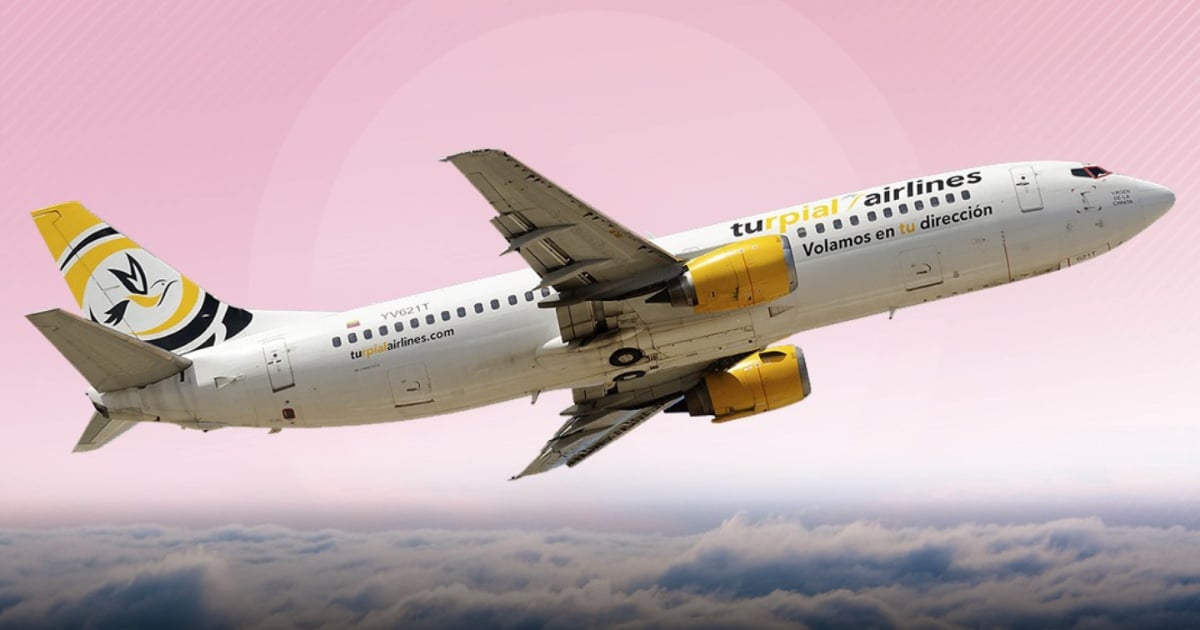
The Venezuelan airline Turpial Airlines, founded by a retired colonel from the Chavismo regime, will launch a new route between Caracas and the Cuban resort of Varadero starting July 28, with a weekly frequency and inclusive tour packages.
The announcement was made this Tuesday by the airline itself, which currently operates flights to Havana and Santiago de Cuba. This action not only strengthens the tourism exchange between both regimes but also the growing informal business of transporting goods through “mulas.”
With this new route, Turpial will expand its presence in the Cuban tourist market, allowing travelers to book stays of three, five, or seven nights in Varadero, and return to Venezuela using the other available connections to the island.
This mode facilitates a constant flow of travelers —among them, hundreds of Cubans residing in Venezuela— who transport goods that are hard to find on the island.
The launch of this connection coincides with a strengthening of the relationships between the regimes of Havana and Caracas in tourism and a desperate attempt by the Cuban government to revive the tourism industry.
Recently, representatives from the Ministry of Tourism of Cuba held promotional presentations in several Venezuelan cities and signed cooperation agreements during the VII Meeting of ALBA-TCP Tourism Ministers in May of this year.
Turpial Airlines was founded in 2016 by retired Colonel Pedro del Valle Cestari Navarro, a former manager of the National Institute of Civil Aeronautics (INAC), with close ties to key figures in the Venezuelan government such as General Giuseppe Yoffreda, as highlighted by the independent Venezuelan media ArmandoInfo.
Despite the massive withdrawal of foreign airlines during the economic crisis in Venezuela, Turpial grew rapidly and in 2017 established a subsidiary in Panama under the management of another retired military officer, General Noel Santiago López Capriata.
The company operates three Boeing 737-400 aircraft and already covers national and international routes, including those from Valencia to Panama and now Varadero.
The flights from Venezuela and Nicaragua have been extensively used by Cuban mules who import food, medicine, clothing, household appliances, and other goods for resale on the island.
These trips, although disguised as tourism, often involve suitcases filled with products, some exempt from tariffs due to flexible customs regulations.
Turpial Airlines, with its multiple connections from Caracas and Valencia, provides a functional circuit for this parallel market, which is very active among merchants supplying the Cuban people amidst chronic shortages and the lack of availability in state-run stores.
Frequently Asked Questions about the new Turpial Airlines route between Caracas and Varadero
When will the new route between Caracas and Varadero start operating?
The new route of Turpial Airlines between Caracas and Varadero will start operating on July 28, offering a weekly frequency and tourist packages for travelers.
What impact does this new route have on tourism between Venezuela and Cuba?
This new route strengthens the tourist exchange between the regimes of Venezuela and Cuba and facilitates the constant flow of travelers, including many Cubans residing in Venezuela, who carry products that are hard to find on the island.
Who founded Turpial Airlines and what is its connection to the Venezuelan government?
Turpial Airlines was founded in 2016 by retired Colonel Pedro del Valle Cestari Navarro, who has close ties to key figures in the Venezuelan government, such as General Giuseppe Yoffreda.
How does Turpial Airlines benefit the parallel market in Cuba?
Turpial Airlines, with its multiple connections from Caracas and Valencia, provides a functional circuit for the parallel market, making it easier for informal traders to transport goods to Cuba, which is crucial given the chronic shortages on the island.
Filed under: