
Related videos:
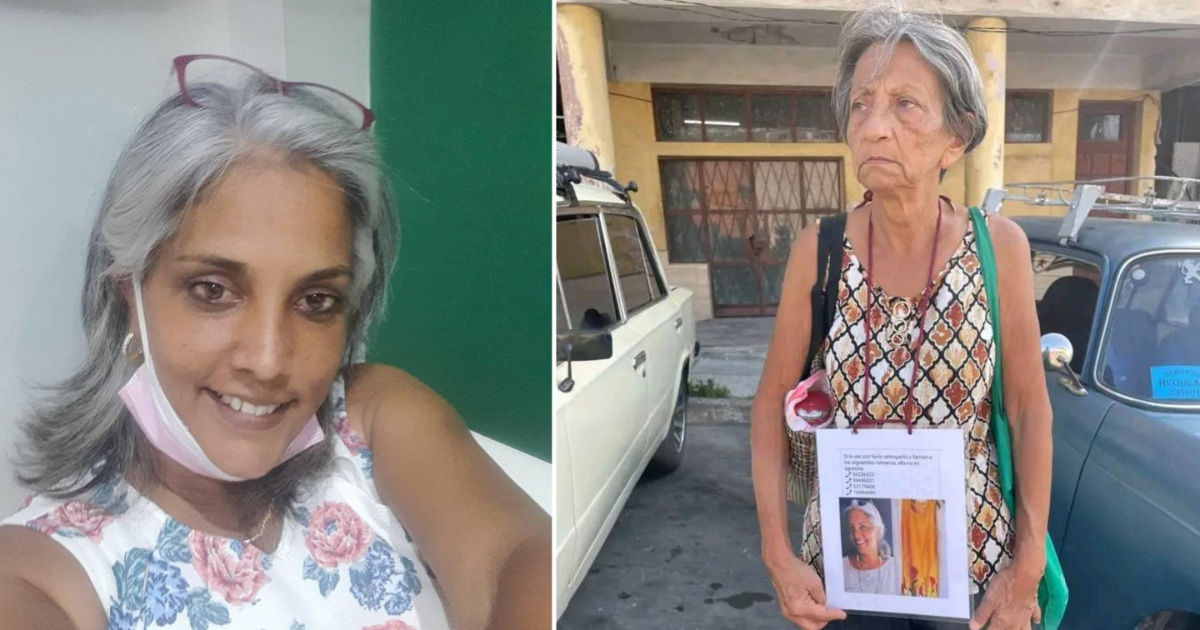
A channel of Cuban state television broke the institutional silence this Wednesday regarding the disappearance of Doraiky Águila Vázquez, a 48-year-old woman from Havana whose whereabouts have been unknown since March 15.
The Educational Channel, which has a national reach in both digital terrestrial and analog signaling, published a message on its official Facebook page at the request of the mother of the missing individual.
The notice reminds that Doraiky is 1.68 meters tall, weighs 65 kilograms, and has been missing from her home at Pocito Street 939, between 18 and 19, in the Lawton neighborhood, municipality of 10 de Octubre, for more than four months.
The publication, presented as a gesture of social service, calls for public collaboration and provides several phone contacts of family members for those who may have information about her whereabouts: Maura (50255751), Gustavo (54236523), and Juan Ramón (54011152).
The mention of the case by the official press comes after an intense campaign sustained on social media and independent media, where the family's desperation for answers has been documented.
Since April, Doraiky's mother has made multiple public appeals, has pleaded on her knees for help, has directly held the government responsible for the inaction of the authorities, and has reported the distress of living for over 130 days without knowing if her daughter is alive or dead.
Doraiky Águila was last seen leaving her home, and since then, despite the reports, no concrete progress has been made in the official investigation.
The family has continued the search on their own, while calling for an effective response from the institutions.
The delayed dissemination of Canal Educativo is a response to the increasing pressure from citizens, and it is not enough to simply share a post; urgent action is required from the police and the prosecutor's office to clarify what happened.
In the comments section of the post, journalist Marta María Ramírez emphasized the urgency for the media to actively engage in the dissemination of early alerts for disappearances, given their vital importance.
Ramírez recalled that, as far as is known, at least two Cuban girls are still missing — one since three years ago, when she was 16, and another who is just three years old — as well as several adult women.
"We need to talk about the disappearances and demand that the State fulfill its duty," he stated.
The journalist also questioned whether the reported piece is part of the channel's television programming or if it has only been shared on social media.
Frequently Asked Questions about the Disappearance of Doraiky Águila in Cuba
When and where was Doraiky Águila last seen?
Doraiky Águila was last seen leaving her home in Lawton, Diez de Octubre municipality, Havana, on March 15, 2025. Her whereabouts have been unknown since that night, which coincided with a general blackout in Cuba. Her family has reported that she suffers from temporary memory loss, which may have contributed to her disappearance.
What actions has Doraiky's family taken to find her?
Doraiky's family has tirelessly continued their search, using social media to spread the word about her disappearance and offering a reward of 350,000 CUP for credible information regarding her whereabouts. They have repeatedly denounced the inaction of the Cuban authorities and have sought help from independent organizations and the public.
What has been the response of the authorities and the official media in Cuba regarding the case of Doraiky Águila?
The official response has been minimal and delayed. No concrete progress has been reported in the official investigation. Recently, the state Educational Channel published a message on Facebook at the request of Doraiky's mother, but this happened after an intense campaign on social media and independent media. The lack of action from the government has been criticized by family members, journalists, and citizens alike.
What security measures are in place in Cuba to address disappearances?
In Cuba, official mechanisms for addressing disappearances are ineffective, which has raised concern and criticism among the citizenry. Feminist organizations such as Yo Sí Te Creo en Cuba and the Gender Observatory of Alas Tensas have activated the Alerta Yeniset for the case of Doraiky, a response mechanism for cases of missing women. However, the lack of effective protocols and the scarcity of official resources are evident.
Filed under: