
Related videos:
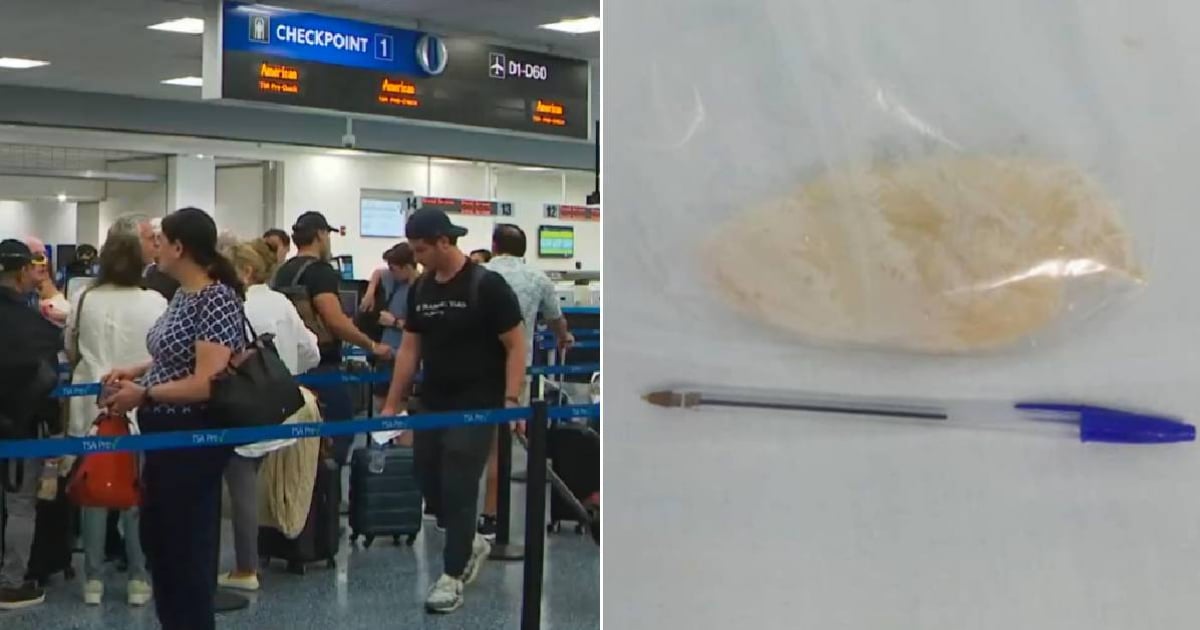
A Colombian citizen was arrested at José Martí International Airport in Havana on July 29 after it was discovered that she was carrying 23 capsules of cocaine ingested in her stomach, official sources reported.
The operation was carried out thanks to the coordinated efforts of the personnel from the General Customs of the Republic and the Anti-Drug Agency, who detected the attempt at illegal entry using preventive control techniques and high-sensitivity scanners, said a post on Facebook by the profile of Elizabeth Ferrer, close to the regime.
According to the report, the detained individual may have been manipulated by criminal networks that convinced her to enter Cuba as a "mule," with the promise of quick earnings and seemingly no risks.
However, upon arriving on the island, the authorities detected their suspicious behavior and proceeded to a more thorough inspection.
“This type of modus operandi remains a latent threat to national security,” the publication notes, taking the opportunity to highlight “the professionalism” of Customs agents.
The citizen has been placed at the disposal of the competent authorities and faces charges of international drug trafficking, an offense punishable under Cuban law.
The woman, whose identity has not been revealed, could face sentences of up to 30 years in prison or life imprisonment, depending on the aggravating factors of the case.
Drug consumption in Cuba has skyrocketed in recent years and today it constitutes a social phenomenon that has even been acknowledged by the regime.
On July 24, a court in the province of Granma sentenced a Cuban citizen to eight years of imprisonment for possession of marijuana, as part of an intensified judicial crackdown on drug trafficking and consumption in Cuba.
Frequently Asked Questions about Drug Trafficking in Cuba
What happened to the Colombian woman arrested in Cuba for drug trafficking?
A Colombian citizen was arrested at José Martí International Airport in Havana for carrying 23 capsules of cocaine in her stomach. She was detected thanks to the controls of the General Customs of the Republic and Cuba's Anti-Drug Agency. The woman faces charges for international drug trafficking, a crime that could carry sentences of up to 30 years in prison or life imprisonment.
How do Cuban authorities detect drug trafficking at airports?
Cuban authorities use prophylactic control techniques and high-sensitivity scanners to detect attempts at drug smuggling. Additionally, canine techniques and X-rays are common in inspection procedures. These methods aim to uncover drugs hidden in various objects and within the bodies of passengers.
What penalties does someone face for drug trafficking in Cuba?
Drug trafficking in Cuba can be punished with sentences ranging from 15 to 30 years in prison, life imprisonment, or even the death penalty in aggravated cases. Cuban authorities conduct exemplary trials to deter drug trafficking and warn that ignorance of the contents of a package does not exempt one from criminal responsibility.
What are "blind mules" in the context of drug trafficking in Cuba?
"Blind mules" are individuals who carry packages without knowing they contain drugs, often in exchange for payment or benefits. This practice has increased in Cuba, and authorities warn that travelers are responsible for the contents of their luggage, even if they are unaware of what it contains.
Filed under: