
Related videos:
What began as a dream of returning home turned into a nightmare for Juan Carlos Hernández Mora, a Cuban-German who left behind 12 years of life in Europe to invest in the island and spend his days close to his roots.
Today, at 52 years old, he lives with a 12-year sentence hanging over him, without his hostel, without his home, and with the prohibition of leaving Cuba until 2030, according to a report by journalist Martí Noticias Mario J. Pentón.
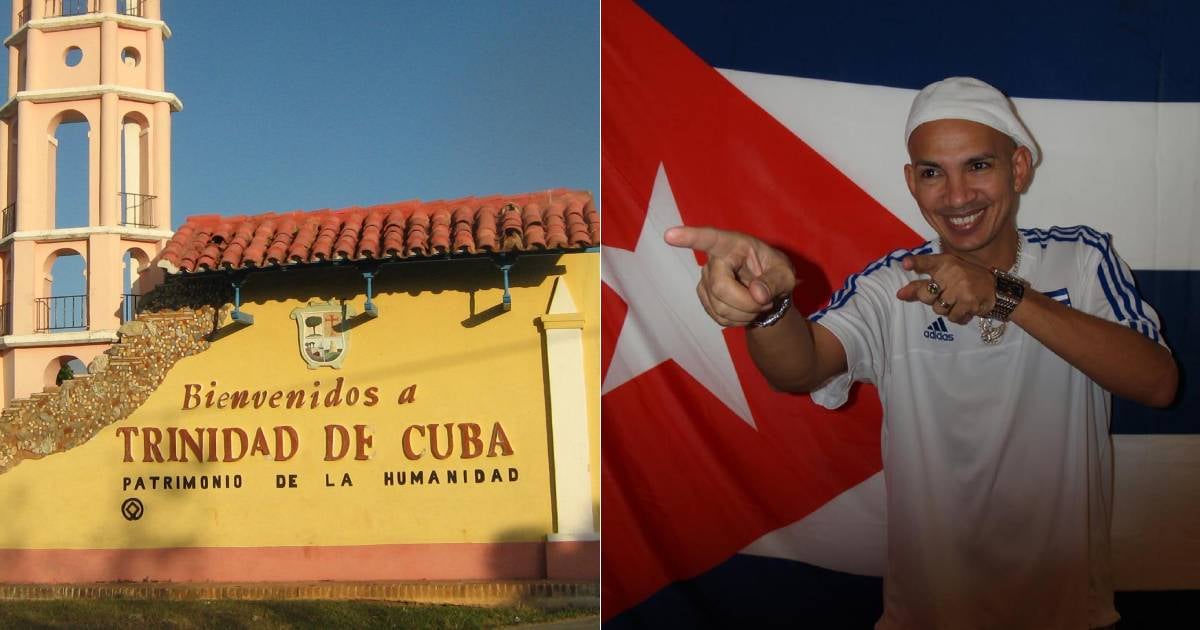
Hernández Mora was repatriated in 2008, bought a colonial house in the historic center of Trinidad, and opened a tourism business that provided for his living and allowed him to help those in need. "I missed my country, my customs... I thought I could survive here," he told Martí Noticias.
But in 2019, everything changed. He was arrested and a year later, in a closed-door trial, convicted of pimping, bribery, and electrical fraud.
It claims that the accusations are unjust and that all the individuals mentioned in the case were adults, without coercion or deception. Following the verdict, the State confiscated his home and relocated his family to a modest apartment on the outskirts of Trinidad.
Pattern of expropriations
The lawyer and director of Cubalex Laritza Diversent, in conversation with Pentón, denounces that the Cuban regime uses criminal law as a tool for control to seize valuable properties, especially those renovated for tourism. “Today they can invite you to invest; tomorrow they imprison you and take everything away”, she warned.
Hernández Mora was released on probation in 2024, but his dual citizenship does not help him return to Germany. “I just want to serve out my sentence and go back... I deeply regret returning to Cuba,” he says bitterly.
The German government confirmed that it is maintaining contact and providing consular assistance, but it refrained from giving details. Meanwhile, Hernández remains trapped on the island, becoming yet another example of the risks faced by those who decide to return and invest under the control of a state that does not guarantee legal security.
In 2021, the Spaniard Armando Unsain Bartolomé, a declared supporter of the regime and owner of the boutique hotel La Colonial 1861 in Havana, received an order from the Ministry of the Interior to leave the island within 30 days or face deportation.
The authorities accused him of violent conduct and of having been investigated for serious offenses, which he categorically denied. Despite his political affinity and his investment in the tourism sector, he was forced to leave Cuba, denouncing an “injustice” and an arbitrary “exile.”
The most recent case is that of Cuban-American entrepreneur Frank Cuspinera Medina, founder of the supermarket Diplomarket, known as the "Cuban Costco." Arrested in 2024 on charges of tax evasion, currency trafficking, and money laundering, his company was taken over by military forces and all his assets were confiscated.
Today marks over a year in pretrial custody and in June he staged a hunger strike, denouncing an arbitrary judicial process and the fabrication of charges against him.
Frequently Asked Questions about Investments and Legal Situation in Cuba
Why is Juan Carlos Hernández Mora detained in Cuba?
Juan Carlos Hernández Mora was sentenced to 12 years in prison in Cuba for charges of pimping, bribery, and electricity fraud. The trial was held behind closed doors, and he maintains that the accusations are unfair. All of this occurred after he was repatriated to Cuba to invest in a tourism business, which resulted in the confiscation of his property and a ban on leaving the country until 2030.
What is the pattern of expropriations reported in Cuba?
The Cuban regime is accused of using criminal law to confiscate valuable properties, especially those renovated for tourism. According to lawyer Laritza Diversent, this often happens when foreigners or Cubans with dual citizenship are invited to invest in the island, only to be imprisoned later and have their assets expropriated.
What role does Juan Carlos Hernández Mora's dual citizenship play in his current situation?
Despite having German citizenship, Hernández Mora cannot return to Germany due to his conviction in Cuba. Dual citizenship has not provided him with protection or the ability to leave the country, and the German government has only been able to offer him limited consular assistance.
How does the case of Juan Carlos Hernández Mora affect other potential investors in Cuba?
The case of Hernández Mora illustrates the risks of investing in Cuba under a regime that does not guarantee legal security. His situation is an example of how the Cuban regime can attract foreign investments only to later imprison investors and expropriate their assets, which discourages other potential investors.
Filed under: