
Related videos:
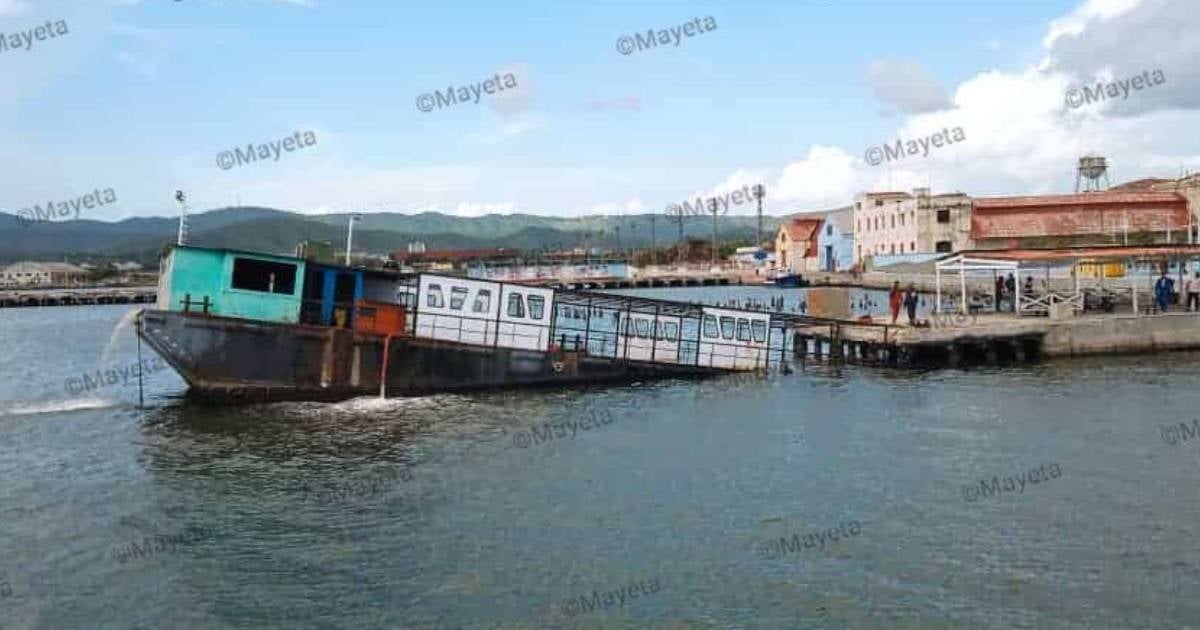
After months of silent sinking in front of the Alameda, pressure on social media and citizen complaints have compelled the authorities in Santiago de Cuba to begin the rescue of a barge owned by the Conservator of the City, which was partially submerged in the bay.
The vessel, which had been rusting and sinking for months with no one lifting a finger, was not just a useless hull. According to neighbors and activists, it could have been restored as a means of maritime transport or a floating restaurant, taking advantage of the calm natural bay that Santiago has to offer.
In a context of energy crisis and chaos in urban transportation, many see the sea as an underutilized avenue for improving mobility.
“This barge didn't sink on its own. It was sunk by abandonment, bureaucracy, and lack of vision”, denounced independent communicator Yosmany Mayeta Labrada, who shared the images on his social media.
Facebook/Yosmany Mayeta Labrada.
The publication sparked a "mad rush" among authorities and state media, who dispatched personnel and machinery to restore the structure.
Residents of the Los Cangrejitos neighborhood assert that the incident is yet another example of how public management in Cuba responds more to pressure and public shame than to planning or its own initiative.
"It only took for the complaint to go viral for action to be taken. Before, nobody paid attention to that." , commented a resident.
Facebook/Yosmany Mayeta Labrada.
In the city, where the residents of Santiago must walk long distances, wait in endless lines, and travel in makeshift trucks due to the chronic shortage of buses, the loss of any means of transportation feels like a direct blow to their quality of life.
The truck was sinking, but indignation rose and swept along with it the authorities, who this time could not look the other way.
Frequently Asked Questions about the sinking of the patana in Santiago de Cuba
Why did the vessel sink in the bay of Santiago de Cuba?
The barge sank due to neglect, bureaucracy, and a lack of vision from the authorities, according to reports from local citizens and activists. This incident reflects the deterioration of maritime infrastructure in Santiago de Cuba, a city that could benefit from better utilization of its maritime resources.
How did the authorities in Santiago de Cuba react to the sinking of the barge?
The authorities in Santiago de Cuba began the rescue of the barge after public pressure and complaints on social media. This highlighted that public management in Cuba tends to respond more to public shame than through proactive planning.
What potential did the patana have for the city of Santiago de Cuba?
The barge could have been repurposed as maritime transport or a floating restaurant, taking advantage of the natural and calm bay of Santiago de Cuba. In a context of energy crisis and issues with urban transport, the sea presents an underutilized option to improve mobility in the city.
What other infrastructure issues affect Santiago de Cuba?
In addition to the abandonment of maritime transport, Santiago de Cuba faces serious water supply issues and frequent blackouts. The population suffers from a lack of access to drinking water for extended periods and power outages that affect the quality of life, forcing families to seek desperate solutions.
Filed under: