
Related videos:
A woman residing in South Florida has reported that she was a victim of a scam known as "SIM swap", in which criminals managed to take more than $17,000 from her in less than a day, and even attempted to withdraw another $50,000 from her husband’s investment account.
The affected individual, Patricia Escrivá, stated in comments to Telemundo 51 that the fraud occurred in early June, when she suddenly lost the signal on her cell phone.
"I look at my phone and there's no activity. No texts, no calls, I say: 'How strange!'" he recalls.
When she tried to call her husband, she found that the call was not going through. The real problem began when, once she managed to connect to Wi-Fi, she started receiving notifications and bank alerts.
"Two emails from Chase, two alerts... One was about changing the password to a new device. I panicked," he described.
In less than 24 hours, they claim that the criminals charged over $17,000 and attempted to sell her husband's shares to transfer another $50,000, a transaction they managed to stop in time.
When she called her provider, Metro by T-Mobile, she was informed that she no longer appeared as a Metro customer and that her lines were listed under T-Mobile.
This revealed that someone had transferred their mobile service to another device without authorization.
“I had never heard that it was so easy to steal someone else's line and transfer it to another device,” he stated still in shock.
After acting quickly and contacting his banks, Escrivá was able to recover the lost money, though the emotional impact and feeling of vulnerability remain.
"If we don't act accordingly, they'll take that money out just like that," he warned.
How the "SIM swap" scam works
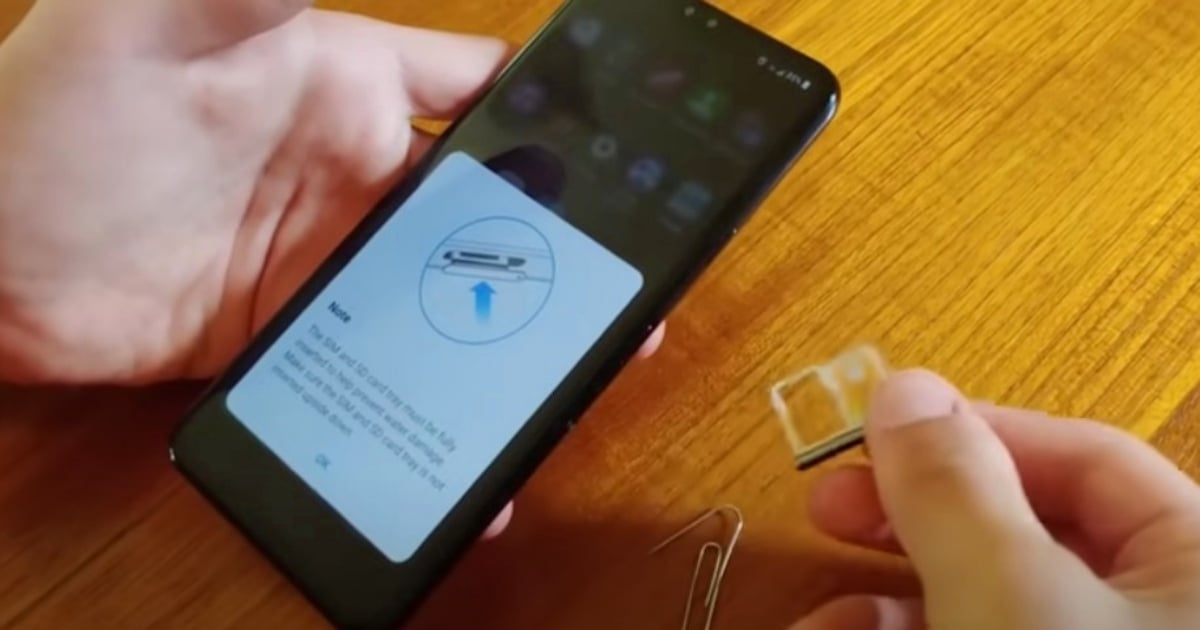
The "SIM swap" or fraudulent SIM exchange is a method of social engineering.
The criminals call the phone company, impersonate the victim using personal information, and request to transfer the number to a new phone.
Once they achieve this, they can reset passwords and use SMS verification codes to access banks, investment accounts, emails, and social media.
The former prosecutor Erin West, founder of the organization Operation Shamrock, explains: “It could be as simple as calling and pretending to be you, knowing certain things about you and saying that you have a new phone. So turn off this old purple phone and switch it to this one I have in my hand.”
Once the change is made, “you can reset your login credentials using two-factor authentication codes sent to the phone line.”
The company's response
Metro by T-Mobile confirmed that its customer service team reached out directly to Escrivá.
In a statement sent to Telemundo 51, they warned that SIM swaps are a problem that affects the entire industry and that they are investing in measures to prevent them.
"Our team can help clients further protect their accounts, share information on how to stay safe online, and ensure they have taken the right steps, such as contacting credit agencies, updating passwords, and filing a police report," the company stated.
The company recommends using strong and unique passwords, resetting PINs regularly, and being cautious with unexpected calls or messages.
What to do if you suddenly lose signal
Call your carrier from another line to revert the SIM change and activate a portability lock or port-out PIN.
-Notify your banks and brokers to block transactions.
-Change passwords and use verification methods without SMS.
-Activate fraud alert with the credit agencies.
-File a police report and preserve evidence.
Keys to Prevention
-Set up a portability PIN and require in-person verification for SIM changes.
-Avoid using SMS as a second factor in financial services; prefer authenticator apps or physical keys.
-Use strong and unique passwords, stored in a secure manager.
-Enable real-time alerts for financial transactions and account access.
-Avoid posting personal data on social networks that could be used for identity verification responses.
-Periodically check your service provider account for any unknown lines or changes in call forwarding or voicemail.
Frequently Asked Questions about SIM Swap Scams and Frauds in Florida
What is the SIM swap scam and how can it empty your bank account?
The SIM swap scam is a method of social engineering in which criminals transfer a victim's phone number to a new device without their authorization. This allows them to receive verification messages and gain access to bank accounts, emails, and social media. With two-factor authentication codes, scammers can reset passwords and drain bank accounts in minutes.
What measures can be taken to prevent SIM swap?
To prevent SIM swapping, it is recommended to set up a portability PIN and require in-person verification for SIM changes. Additionally, strong and unique passwords should be used, and it is advisable to prefer authentication apps or physical keys over SMS for two-factor verification, as well as activate real-time alerts for financial transactions.
How to react if you suddenly lose your phone signal?
If you suddenly lose your phone signal, call your carrier from another line to revert the SIM change and activate a portability block. It is also important to notify your banks to block transactions, change passwords, and use verification methods without SMS, file a police report, and keep evidence of the incident.
What are the most common phone scams targeting seniors in Florida?
The most common phone scams in Florida include the grandparent scam, romantic fraud, and fake investment opportunities. Scammers impersonate family members, friends, or representatives of legitimate institutions to convince victims to urgently transfer money. It is recommended not to answer calls from unknown numbers and to verify any requests through official channels.
Filed under: