
Related videos:
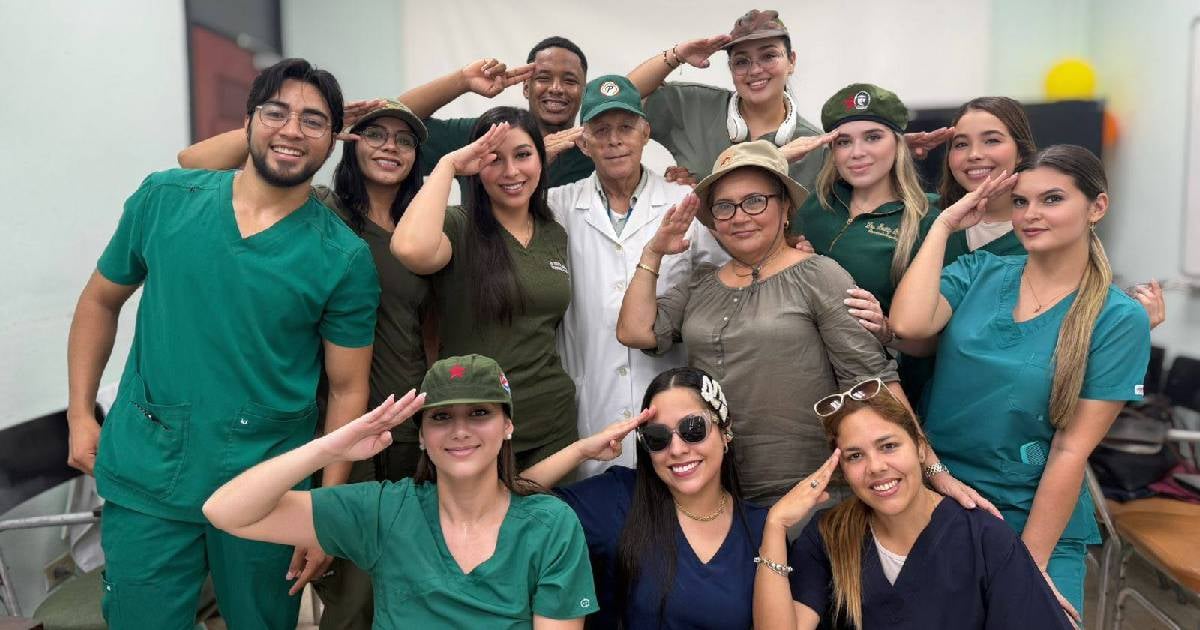
The Clinical Surgical Hospital "Hermanos Ameijeiras" celebrated this Wednesday the 99th anniversary of the birth of Fidel Castro with an event in its Otorhinolaryngology Service, during which the late dictator was described as the architect of the "excellence in medicine" that allegedly distinguishes the Island today.
In a message shared on social media, the institution attributed to Castro a “humanist legacy and transformative vision” that would have made the training of professionals, the development of the healthcare system, and “international solidarity” in health matters possible. The post concluded with a call to honor his “eternal call to serve with love and dedication.”
A propaganda speech in front of collapsed hospitals
The statements contrast with the serious situation of the Cuban healthcare system, where people are affected every day by lack of treatments, medications, and even by bacteria acquired in hospitals. In many cases, patients who need surgery must bring everything: from sutures and gloves to antibiotics.
The call for "international solidarity" is also questioned by activists and opponents, who point out that the regime has earned millions of dollars from medical missions abroad, while healthcare personnel are scarce in Cuba and services are deteriorating. The supposed aid to other countries has served more as a lucrative business and a political tool than as a genuine act of altruism.
In this context, the event at the Ameijeiras adds to the regime's usual strategy of using anniversaries and commemorations to exalt the figure of Fidel Castro, while ignoring the structural crisis facing public health on the Island.
Collapse of the healthcare system in Cuba: Minister admits there are no medicines or resources
The Minister of Public Health of Cuba, José Ángel Portal Miranda, acknowledged in July before members of the National Assembly that the healthcare system is going through an unprecedented structural crisis, characterized by coverage of only 30% of the essential medication list and widespread deterioration of medical services.
In his speech, he justified the limitations in the healthcare sector with a telling phrase: “These issues will not be resolved immediately, but we reaffirm our commitment to seek solutions and optimize available resources, as long as funding permits.”
During his appearance before the Health and Sports Commission of the Cuban Parliament, Portal Miranda presented a bleak outlook for the sector, highlighting chronic shortages of medical supplies, organizational failures, the exodus of professionals, illegal sale of services in hospitals, and an increase in maternal and infant mortality rates.
Frequently Asked Questions about the Health Care System in Cuba
Is it true that Cuba has a "medicine of excellence"?
The claim that Cuba has an “excellent healthcare system” contrasts sharply with the reality of the Cuban health system, which is currently facing a severe structural crisis. Although the Ameijeiras Hospital credits Fidel Castro with the establishment of a quality healthcare system, the current situation is one of collapse, marked by shortages of medication, medical supplies, and healthcare personnel. The truth is that the healthcare system in Cuba is deteriorating and fails to meet the basic needs of the population.
How does the crisis in the healthcare system affect patients in Cuba?
Patients in Cuba are facing a critical situation due to the lack of resources in hospitals. The shortage of medications and basic materials forces patients to bring their own supplies for treatment, which includes everything from sutures to antibiotics. Furthermore, the unsanitary conditions and lack of maintenance in hospitals increase the risk of infections and complications in treatments.
What role do Cuban medical missions play in the current context of the healthcare system?
Cuban medical missions have been criticized for being more of a profitable business for the regime than an act of altruism. While the Cuban government sends doctors abroad to generate foreign currency revenue, the shortage of healthcare personnel on the island remains a serious issue. This strategy has been viewed as a political tool, leaving the Cuban healthcare system lacking the necessary human resources to care for its own population.
What measures has the Cuban government taken to address the health crisis?
The Cuban government has acknowledged the crisis, but has taken a limited stance on solutions. Health Minister José Ángel Portal Miranda recognized the serious situation and mentioned the lack of resources as an obstacle to improving the system. However, no concrete and effective measures have been announced to address the immediate problems, leaving the population dissatisfied and without a clear prospect for improvement.
Filed under: