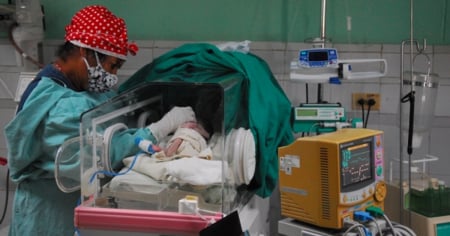
The Minister of Public Health of Cuba, José Ángel Portal Miranda, acknowledged this Monday before members of the National Assembly that the healthcare system is experiencing an unprecedented structural crisis, characterized by a coverage of only 30% of the basic medication inventory and a widespread deterioration of medical services.
In his speech, he justified the limitations in the health sector with a striking phrase: “These problems will not be solved immediately, but we reaffirm our commitment to seek solutions and optimize available resources, as long as funding permits.”
During his appearance before the Health and Sports Commission of the Cuban Parliament, Portal Miranda described a bleak outlook for the sector, with chronic shortages of medical supplies, organizational failures, exodus of professionals, illegal sale of services in hospitals, and increased maternal and infant mortality.
Despite the efforts of the healthcare staff, the head of the MINSAP acknowledged that the "just grievances of the population" persist and did not provide a timeline for potential improvements in services.
He focused his intervention on attributing the crisis to the U.S. "blockade" and avoided self-criticism regarding the internal inefficiency, administrative errors, or the lack of transparency in the management of the public health system.
One of the most alarming pieces of information was the low availability of medications in pharmacies, which barely reaches 32%, worsening the despair of millions of Cubans. It was acknowledged that access to antibiotics and basic materials now depends solely on the foreign currency earnings generated by the commercialization of medical services.
They will ensure healthcare services according to the budget allocated by the State
The most revealing statement from the MINSAP headline was its declaration that the achievement of the healthcare system's objectives will depend on the available funding. An implicit acknowledgment that public health in Cuba is no longer a guaranteed right, but rather a service conditional on the availability of foreign currency.
Portal Miranda also reported that currently only 70% of the capacities in nursing homes have been certified, while the infant mortality rate rose to 8.2 per every thousand live births, compared to 7.4 the previous year.
The maternal mortality rate also surged, standing at 56.3 deaths per 100,000 births, a concerning increase compared to the previous year.
The minister assured that the MINSAP has defined 13 strategic actions with 33 goals and compliance indicators, but admitted that not all will show immediate results. Meanwhile, the public continues to face a collapsed healthcare system, with hospitals lacking resources, overloaded staff, and medications turned into luxury items.
Portal Miranda made it clear that the recovery of the system does not depend on political will, but rather on the external financing that the country manages to obtain. Health in Cuba is currently governed by market forces and not by equity, as they have always proclaimed.
Meanwhile, Manuel Marrero emphasized this Monday that tourism is and will remain the prioritized sector, as the government believes that one day this industry will become the driving force of the Cuban economy.
Frequently Asked Questions about the Healthcare System Crisis in Cuba
What is the current situation of the healthcare system in Cuba?
The Cuban healthcare system is facing an unprecedented structural crisis, with critical issues such as medication shortages, the exodus of professionals, and the general deterioration of medical services. The coverage of basic medications is only 30%, and there is an increase in maternal and infant mortality rates.
What factors does the Cuban government attribute to the health crisis?
The Minister of Public Health, José Ángel Portal Miranda, attributes the crisis to the U.S. economic "blockade," avoiding self-criticism regarding internal inefficiencies or administrative errors. The lack of resources and funding is considered a key factor for the recovery of the healthcare system.
How does the health crisis affect patients in Cuba?
Patients face a collapsed health system, with hospitals lacking resources, overburdened staff, and medicines turned into luxury items. The shortage of supplies and the decline in services have led to an increase in mortality rates and insufficient medical care.
What measures are being taken to improve the healthcare system in Cuba?
The minister has announced 13 strategic actions with 33 goals to improve the healthcare system, although he admitted that not all of them will show immediate results. The achievement of the objectives depends on the available funding, acknowledging that public health is no longer a guaranteed right but is conditioned by the availability of foreign currency.
Filed under: