
Related videos:
What seemed like a distant dream for thousands of Cubans – to embrace their loved ones again – has become a reality thanks to the neighboring Dominican Republic.
According to a report by Telemundo 51, in the first six months of 2025, over 43,000 travelers with Cuban passports have set foot in Dominican territory, many with a single goal: to reunite with family members who cannot or do not wish to visit the Island.
"I felt like crying, but then I told myself no, I can't cry, because these are moments of joy... It's a week where I don't want to think about anything... Just about being here," shared Verania Sánchez, who traveled to reunite with her son.
The phenomenon, which began as a logistical alternative to the costly and bureaucratic trips to Cuba, has now solidified as an emotional bridge.
Punta Cana, with its beaches and all-inclusive hotels, has become a meeting point for families separated by borders and restrictions.
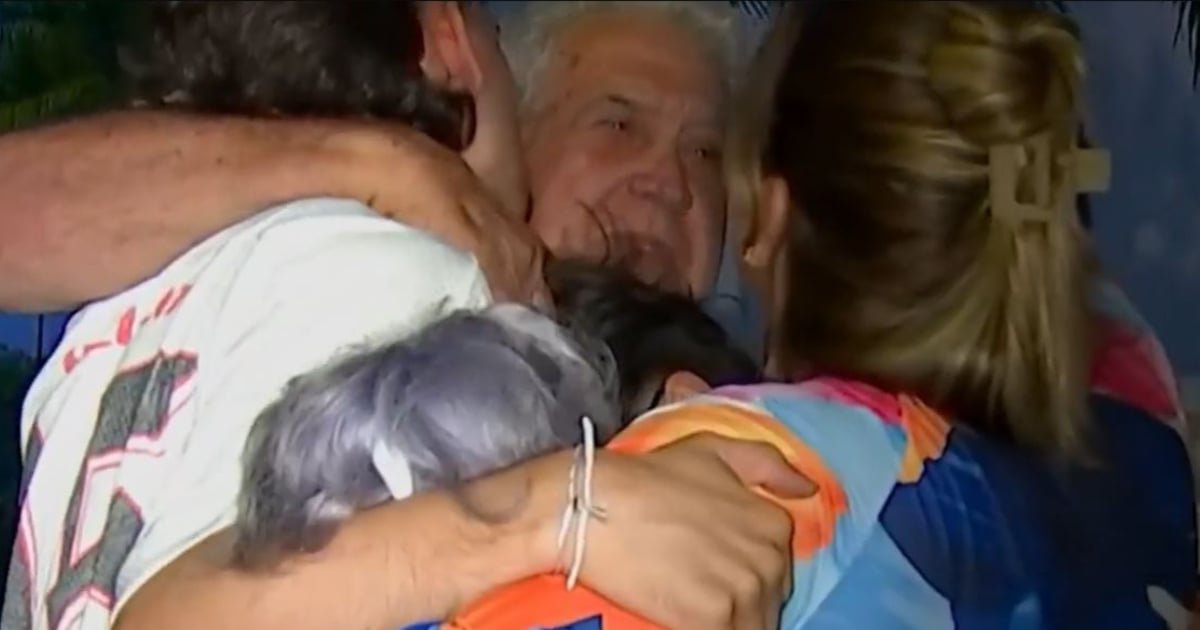
Parents reuniting with their children, grandmothers meeting their grandchildren for the first time, siblings embracing after decades apart: scenes that, according to travel agencies, unfold every week.
Agencies like Risa Travel and Yes Travel have designed packages that simplify the visa process for residents of the Island: a quick procedure at the Dominican consulate in Havana, a direct flight, and finally, the "happy hour" at Punta Cana airport.
The cost is around $2,000 per person for a week, an expense that many families consider an investment in a once-in-a-lifetime experience.
The rise of the Dominican Republic as a reunion destination contrasts with the collapse of tourism in Cuba. Between January and June 2025, the Island received 319,654 fewer visitors than in the same period of 2024, a decline of 25%.
Empty hotels, national occupancy below 24%, blackouts, shortages, and a tourism service that even Cubans describe as "miserable" have driven away both domestic and foreign visitors.
Even official media have admitted that the "engine" of tourism has slowed down, although they insist on blaming global factors rather than acknowledging the regime's responsibility.
"The misery is more than evident, the scarcity and unsanitary conditions reflect a rotten and messed-up government system, as tourists no longer believe the tale of the paradise island, they know full well that it is a corrupt and unsafe country," replied an internet user in the post.
The comparison is inevitable. While the Cuban regime insists on building more hotels that remain unoccupied, the Dominican Republic has understood that tourism can also be an act of humanity.
The flexible immigration policy, direct flight routes, and a visitor-oriented service have turned this Caribbean nation into a second home for thousands of Cubans who refuse to endure the ordeal of traveling to the Island.
"I couldn't contain my joy at seeing families who hadn't seen each other in 20 years reunite here," said an excited Liliana Suárez from Yes Travel in statements to Dominican media.
For many, these meetings are not just vacations: they are resistance, a way to circumvent the obstacles imposed by a government that turns the return home into an almost unattainable privilege.
In Punta Cana, for a few days, Cuban families become family again. Without blackouts, without endless lines, without fear. Just hugs, laughter, and the relief of being together.
In 2023, the Deputy Minister of Tourism of that country, Jacqueline Mora, acknowledged that her government was promoting family reunions between Cuba and Miami in its territory.
At that time, there were two airlines operating, and they also had American tour operators working with several airlines in Cuba.
"We developed a strategy to unite families. For every ten Cubans from the Island that we brought, about 60 from Miami came. It's not just about tourism; it's a matter of humanity. Those reunions are fabulous," the deputy minister commented.
Meanwhile, on the Island they left behind, tourism is collapsing and the hotels are filled with empty promises.
Frequently Asked Questions about the Reunion of Cuban Families in the Dominican Republic
Why do Cubans choose the Dominican Republic to reunite with their families?
Cubans choose the Dominican Republic as a meeting point due to visa facilitation, air connectivity, and the possibility of gathering in a welcoming environment without the restrictions of Cuba. Punta Cana has become an ideal location where families separated by emigration can reunite without facing high costs and bureaucratic hurdles of returning to the Island.
How has this phenomenon impacted tourism in Cuba?
The rise of the Dominican Republic as a reunion destination has contributed to the decline of tourism in Cuba. Between January and June 2025, Cuba received 319,654 fewer visitors than in the same period of 2024, a drop of 25%. The economic crisis, blackouts, and shortages have driven away both domestic and foreign tourists.
What role do travel agencies play in these family reunions?
Travel agencies such as Risa Travel and Yes Travel have been essential in providing packages that facilitate visas and direct flights to the Dominican Republic. This has allowed Cuban families to reunite with their loved ones in a safe and comfortable environment, turning the trip into an investment for an unforgettable moment of emotional connection.
What are the main differences between tourism in Cuba and the Dominican Republic?
The Dominican Republic offers a tourist experience based on comfort, stability, and emotional connection, in contrast to the current situation in Cuba. While Cuba faces an economic and social crisis that impacts the quality of its tourist offerings, the Dominican Republic has understood that tourism can be an act of humanity, facilitating family reunions and providing quality services.
Filed under: