
Related videos:
The National Zoo announced its closure from September 1 to September 5.
The closure is due to the need to undertake recovery and maintenance tasks following the activities conducted during the summer, the institution assures on Facebook.
The National Zoo will resume its "regular operations" on the weekend of Saturday, the 6th, and Sunday, the 7th.
This week, the Zoo announced the reopening of the crocodile lake, following a comprehensive cleaning and restoration process that allowed the reintroduction of the specimens into their habitat.
In a post on the Facebook page, the park's management emphasized that this initiative aims to ensure the well-being of the animals and the quality of the environment, but warned that public cooperation is essential to keep it in good condition.
In this regard, they warned about the harmful practice of throwing objects such as cans, stones, or sticks into the water with the aim of provoking the movement of crocodiles, an action that damages the ecosystem and jeopardizes the health of the reptiles.
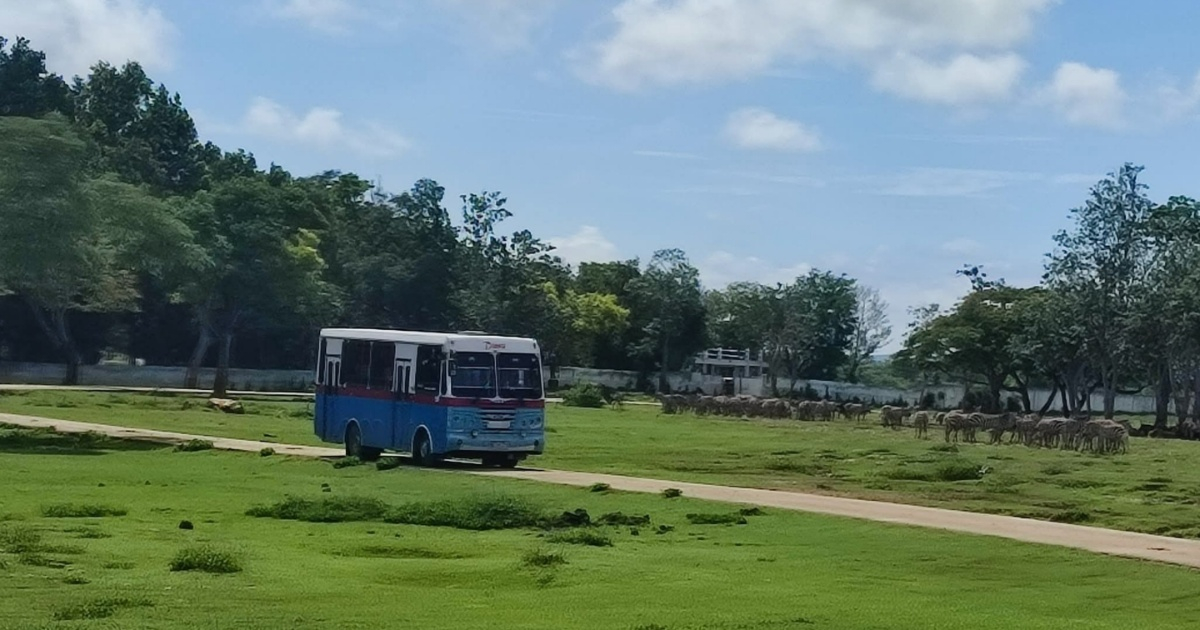
Located in the town of Calabazar, in the Boyeros municipality, the National Zoo covers an area of 342 hectares and is home to over 700 species of animals, which live freely in conditions similar to their natural habitat.
Moreover, it is the fifth area in Cuba with the highest number of observed birds, featuring more than 130 species.
The state of neglect at the 26 Zoo in Havana is worrisome
While the National executes repairs, the historic 26 Zoo in Havana is experiencing one of its darkest moments. Its facilities are in severe decline, the ponds are dry, the cages are dirty, the animals are visibly malnourished, and there is an overwhelming stench.
A scene that starkly reflects not only the crisis of that institution but also the structural collapse of a country where there are no resources left for either humans or animals.
“If there’s nothing for Cubans, what will there be for the animals? This is genocide,” denounced a zoo worker, whose statements were reported in a post on the page La Tijera on Facebook.
In the images shared on that platform, completely dry crocodile ponds and contaminated artificial lakes can be seen, as children and the elderly try to navigate the swarms, the heat, and the foul smell.
A visitor, the grandmother of a minor, expressed with resignation: "They should make it a MIPYME, since everything that works here is private anyway." Her statement encapsulates the feelings of many Cubans in the face of the collapse of state services and the informal privatization of almost everything that still (sort of) functions in the country.
As we have reported on several occasions in CiberCuba, the space is far from its best times. The facilities, which were once a source of pride for the city, now show signs of neglect that worry both visitors and workers at the site.
Filed under: