
Related videos:
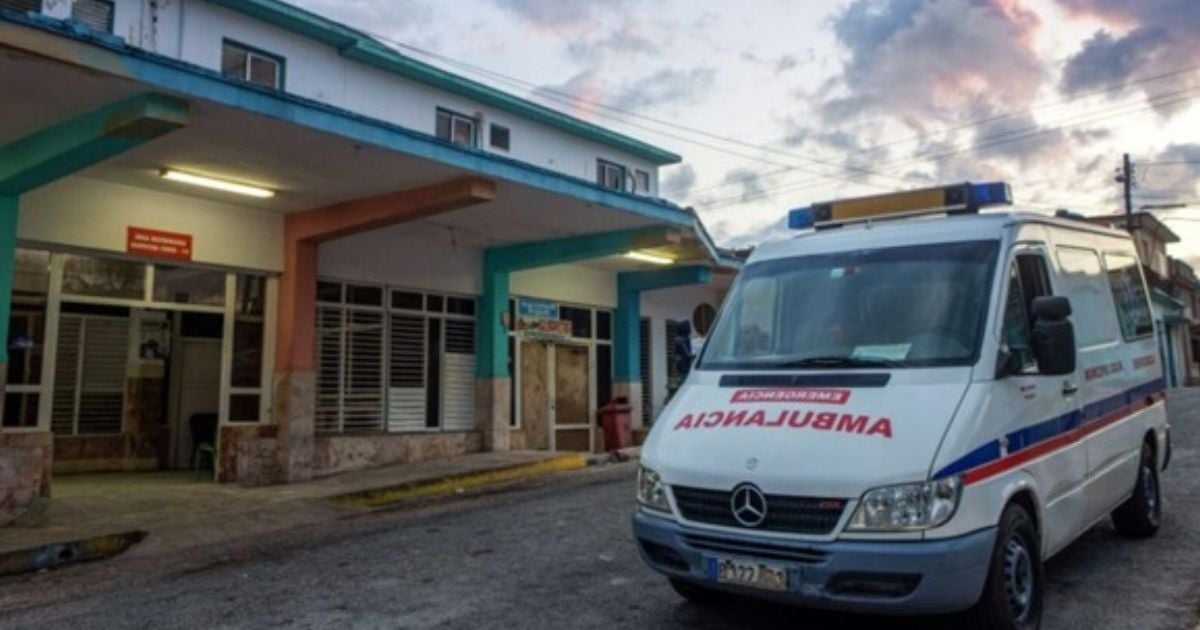
The Eliseo Noel Caamaño Pediatric Hospital experienced one of the most painful episodes of the year in mid-July: a two-year-old child was admitted in critical condition, showing signs of physical violence, high fever, respiratory difficulty, and septic shock that required immediate admission to intensive care.
After three days of medical efforts, the life of the little one could not be saved. The case shook the medical community, the population, and social media, reopening the debate on the extent of child abuse in the province.
According to Dr. Liliana Álvarez Caride, deputy director of medical assistance, in 2025 so far, the hospitals in Matanzas have received four children who are victims of abuse, a figure that already surpasses the three cases recorded in all of 2024.
Although fatal outcomes are not common, the phenomenon is concerning, not only due to the physical injuries but also because of the social, cultural, and psychological background that underpins it.
Accidents that aren’t always what they seem
Specialists warn that many hospital admissions classified as "accidents" are often concealing negligence or violence.
Dr. Eldalina Rodríguez Hernández, who has extensive experience in pediatric care, asserts that 99% of accidents in children are preventable.
"A television falling on an infant, a near-drowning in a pool, or a domestic fall are almost always linked to lack of supervision or negligence," explained Periódico Girón.
The statistics confirm it: while 616 children were reported injured in the province in 2024, there have already been 350 cases so far this year, along with four confirmed cases of abuse.
Often, these episodes intertwine: recurring injuries, unconvincing explanations from parents, and physical signs at various stages of healing reveal stories of violence behind supposed accidents.
Modalities of mistreatment
Child maltreatment is not limited to physical aggression. It can manifest as sexual abuse, neglect, abandonment, psychological violence, or even through what is known as Munchausen syndrome by proxy, where an adult induces or fabricates symptoms in a child to keep them hospitalized.
The pediatric intensivist Lázaro Omar Méndez Mederos asserts that each year they handle more cases than what the official figures indicate.
"In the intensive care unit, we have received two children this year with severe physical abuse. It's difficult to confront these situations because behind the patient, there is not just a clinical picture, but a history of suffering and abuse. However, the priority is always to save lives," he stated.
A socially rooted violence
Experts agree that child abuse in Cuba often has cultural and familial roots.
Many parents replicate authoritarian parenting models they experienced in their childhood, and even today, the use of violence as an educational method is still normalized.
"The belt and the flip-flop are not therapies: they are abuse," asserted Dr. Eldalina, who warned that both physical violence and verbal humiliation undermine children's self-esteem and emotional development.
Violence often originates in the home, in contexts of poverty, stress, gender-based violence, or alcoholism.
Psychologist Anelkys Reyes Domínguez explained that insults and repeated contempt—such as calling a child "stupid" or yelling at them for their homework—can have deep and lasting psychological effects.
His colleague Diadenis Romero Morales added that emotional scars are not always immediately visible, but over the years, they can manifest as withdrawal, low self-esteem, self-destructive behavior, or a repetition of the cycle of violence.
"A mistreated child can become an abusive adult," she warned.
Institutional prevention and response
When there is a suspicion of abuse in the pediatric hospital, a protocol is activated that involves the police, the prosecutor's office, and other agencies, always based on a report.
However, Dr. Norge Estupiñán Rodríguez, a specialist in Legal Medicine, acknowledged that there is an underreporting.
The lack of initial medical certificates and the tendency to accept parents' accounts prevent many cases from reaching the judicial system.
From a legal standpoint, prosecutor Alina Domínguez García reminded that the Penal Code does not classify child abuse as an independent crime, although it does penalize behaviors related to physical or psychological harm, child abandonment, and other actions that affect the overall development of childhood.
Moreover, family laws allow for the removal of parental responsibility from individuals who engage in violence against their children.
The challenge that remains
Even with legal backing and medical response, specialists insist that the true key is prevention.
Community work through primary health care, monitoring at-risk families, educating parents, and the vigilance of neighbors, teachers, and local authorities are essential.
It is also important to promote education in schools about respecting one's own body, recognizing risky situations, and the importance of speaking out without fear.
Every case of child abuse is a reminder that violence against the most vulnerable cannot be normalized or go unpunished.
As Dr. Eldalina points out, "blows do not teach, offenses destroy."
Frequently asked questions about child abuse in Matanzas and the state of healthcare services in Cuba
How many cases of child abuse have been reported in Matanzas in 2025?
So far in 2025, hospitals in Matanzas have received four children victims of abuse. This figure surpasses the three cases reported throughout 2024, reflecting a worrying increase in this issue.
What types of child abuse are observed in Cuba?
Child abuse in Cuba is not limited to physical aggression. It also includes sexual abuse, neglect, abandonment, psychological violence, and Munchausen syndrome by proxy, where an adult induces or fabricates symptoms in the child to keep them hospitalized.
How does the Cuban healthcare system respond to suspicions of child abuse?
When a case of child abuse is suspected, hospitals in Cuba activate a protocol that involves the police, the prosecutor's office, and other relevant agencies. However, there is an underreporting issue due to the lack of issuance of initial medical certificates and the tendency to accept the parents' accounts.
What legal measures exist in Cuba to protect children from abuse?
Although the Cuban Penal Code does not consider child abuse as an independent crime, it does punish conduct involving physical or psychological harm and neglect of minors. In addition, the new Family Code and the Code of Childhood, Adolescence, and Youth strengthen legal protections for children.
Filed under: