
Related videos:
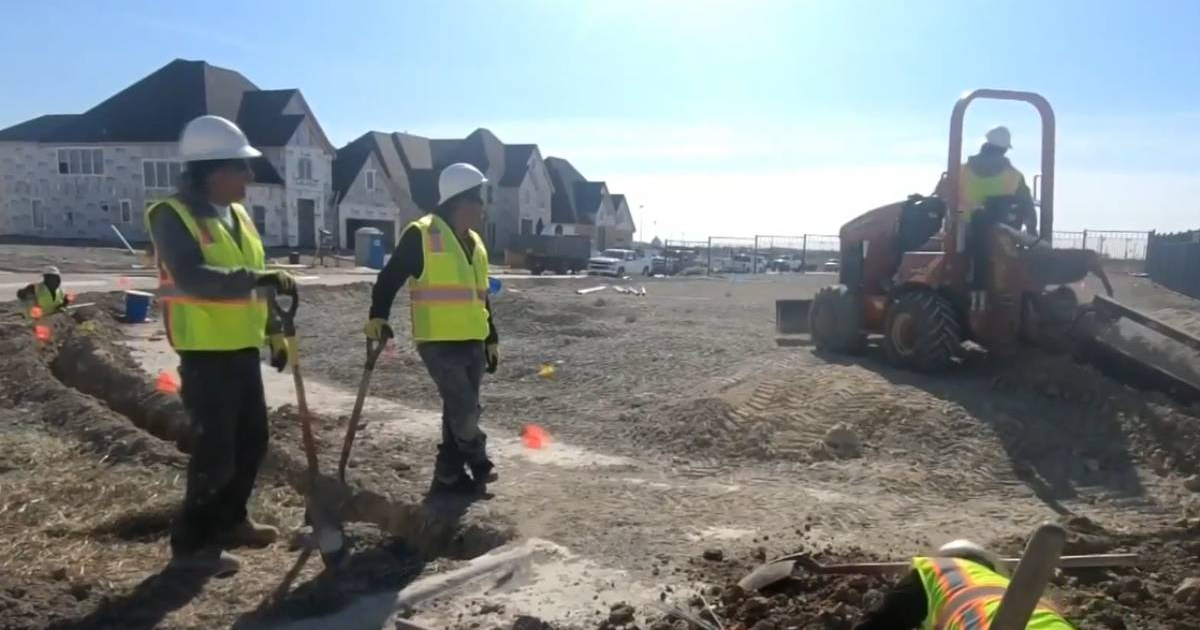
The new immigration control policies implemented by the Donald Trump administration are worsening the labor shortage in the construction sector in the United States.
A recent survey published by the Associated General Contractors (AGC) and the National Center for Construction Education and Research (NCCER) indicates that 92% of construction companies report serious difficulties in hiring personnel.
Moreover, 45% of U.S. construction companies report that this labor shortage has caused delays in their projects. One of the most recurring factors is the direct impact of immigration policies, which have already affected nearly one-third of the firms surveyed.
"As the results show, the shortage of workers is not just a problem in the construction sector," warned Ken Simonson, chief economist of the AGC, during a virtual press conference.
"Projects of all kinds are being delayed because there are not enough skilled workers available," he insisted.
The report emphasizes how the lack of legal and viable pathways for the entry of migrant workers has created a crisis in the industry, which has historically relied on foreign labor.
Organizations in the sector have urged the Government to increase investment in technical education for construction and to create new legal avenues for immigrants to access the labor market.
Meanwhile, housing, infrastructure, and urban development projects in several U.S. cities remain stalled or are progressing at a slow pace, impacting both local economies and the communities that are counting on these essential services.
Impact of Trump's immigration policies on construction and other sectors
How have Trump's immigration policies affected the construction industry in the U.S.?
Trump's immigration policies have exacerbated the labor shortage in the construction sector. 92% of construction companies report difficulties in hiring staff, and 45% indicate that this shortage has caused delays in their projects. The lack of legal pathways for the entry of migrant workers has created a crisis in an industry that has historically relied on foreign labor.
Which sectors are most affected by mass deportations in the U.S.?
Mass deportations primarily impact agriculture, construction, hospitality, and health. These sectors rely heavily on immigrant workers, both legal and undocumented. In construction, 25.7% of employees are immigrants, with at least 14.1% being undocumented. The labor shortage in these sectors is delaying projects and affecting production and investment.
What measures is the Trump administration considering to mitigate the impact of its policies on the economy?
The Trump administration is considering implementing a "temporary permit" for migrant workers in critical sectors such as agriculture. This measure would allow certain agricultural employees to remain in the country under the supervision of their employers, while ensuring tax payments and a potential return with a legal visa. However, this proposal has not yet materialized and faces mixed signals from the White House.
What is the economic impact of the reduction of immigrants in the U.S.?
The reduction of immigrants is eroding the foundation of economic growth in states like Florida, Texas, and California. The immigrant workforce accounts for nearly 20% of the total in the U.S., with a strong presence in essential sectors. Their absence has left crops unharvested, projects stalled, and complicated the operation of businesses that rely on them, which could impact the Gross Domestic Product and overall economic stability.
Filed under: