
Related videos:
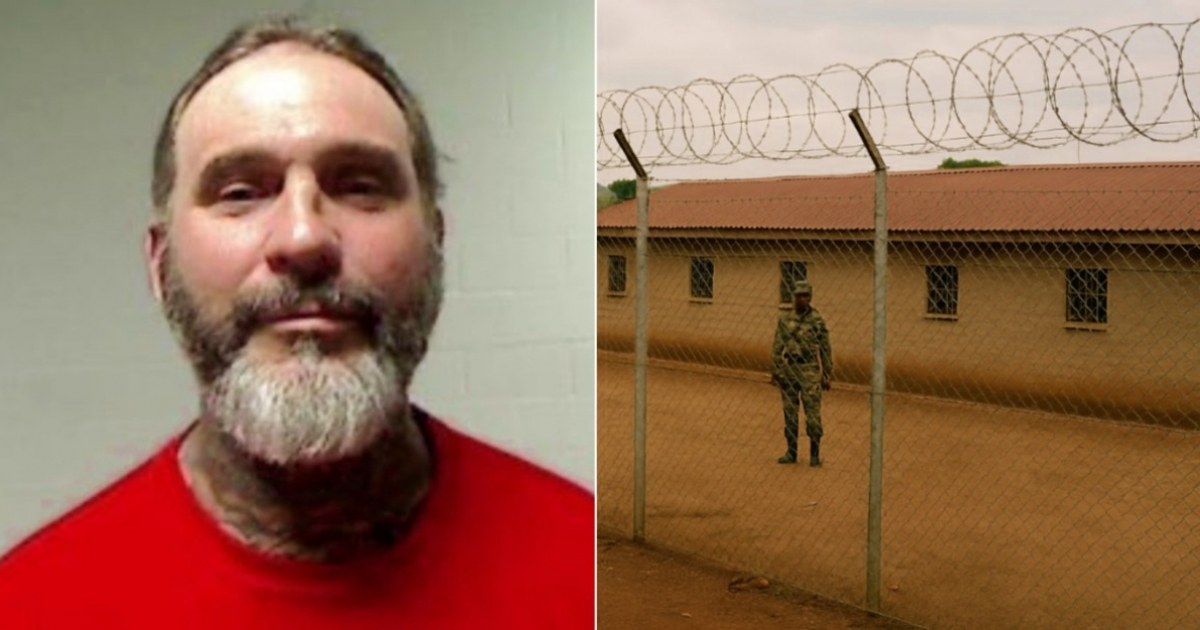
A Cuban deported by the Donald Trump administration to Eswatini, the last absolute monarchy in Africa, has been locked up for seven weeks in a maximum-security prison, without charges and unable to speak with lawyers, according to a report by the AP agency on Tuesday.
The case is part of a group of five men who were transferred to the African country in July as part of the deportation program to third countries promoted by Washington, which has been criticized by human rights organizations for its secrecy and arbitrariness.
The five deportees, including the Cuban and citizens from Yemen, Jamaica, Laos, and Vietnam, are held at the Matsapha Correctional Complex, near Mbabane, the capital of Eswatini.
Lawyers who tried to visit them claim that prison authorities denied them access, arguing that only the United States embassy could authorize it.
“Since when does the United States embassy have jurisdiction over the national prisons of Eswatini?”, questioned lawyer Alma David in statements reported by AP, denouncing that migrants do not know why they are detained or how long they will remain there.
The background of the Cuban
The Cuban had been presented in July by the Department of Homeland Security (DHS) as one of the "criminals so barbaric that their home countries refused to accept them."
According to official documents, he served a sentence in the U.S. for first-degree murder, assault on a police officer, theft, and reckless driving, and was identified as a member of the gang Latin Kings.
Although Cuba is obligated by migration agreements to accept its nationals, in practice the regime in Havana systematically rejects those with serious criminal records, which has opened the door for their deportation to a third country with no cultural or legal ties to it.
However, the detention in Eswatini is not an isolated case. In May, two Cubans, José Manuel Rodríguez Quiñones and Enrique Arias Hierro, were sent to South Sudan, one of the most unstable countries in the world, after Havana refused to accept them.
Shortly thereafter, the U.S. Supreme Court endorsed deportations to third countries, even if migrants report risks of torture or death, which allowed the White House to expand the practice.
Since then, Washington has sent migrants to South Sudan, Eswatini, and Rwanda, and is negotiating agreements with other African countries such as Uganda.
Insecurity and uncertainty
The outlook for the Cuban and the other detainees in Eswatini is uncertain. Authorities of the African kingdom, ruled by King Mswati III since 1986, confirmed that the five men were placed in isolation, in the same prison where pro-democracy activists have been held.
Local organizations warn that the agreement with the United States places the country in the role of a "dumping ground for foreign criminals", while relatives and human rights advocates fear that migrants will face indefinite detention without legal process or basic guarantees.
Frequently Asked Questions about the Deportation of Cubans to Eswatini and Third Countries
Why was the Cuban deported to Eswatini?
The Cuban was deported to Eswatini as part of a deportation program to third countries driven by the administration of Donald Trump. He was chosen for this destination due to his criminal record, which includes convictions for first-degree murder and assaulting a police officer. Cuba, despite being obligated by migration agreements to accept its citizens, refused to take him back due to his serious criminal background.
What is the current situation of Cubans in Eswatini?
The Cuban remains in a maximum-security prison in Eswatini, without charges and without access to legal counsel, according to reports from lawyers and human rights organizations. The uncertainty regarding his detention is compounded by the lack of official information and the refusal of Eswatini authorities to allow legal visits.
What criticisms has the U.S. deportation policy to third countries received?
The United States' deportation policy to third countries has been strongly criticized for its secrecy and arbitrariness. Human rights organizations have questioned the legality of these deportations, especially when migrants face the risk of torture or death in the receiving countries. Additionally, there is criticism regarding the lack of transparency and the conditions of detention for those being deported.
What role does Eswatini play in U.S. deportations?
Eswatini has been used as a destination for deportees by the United States, despite having no cultural or legal ties to the migrants. This practice has raised concerns about the African country's role as a "dumping ground for foreign criminals," highlighting criticisms of Eswatini's absolute monarchy for repressing pro-democracy movements and its lack of official communication regarding these agreements.
Filed under: