
Related videos:
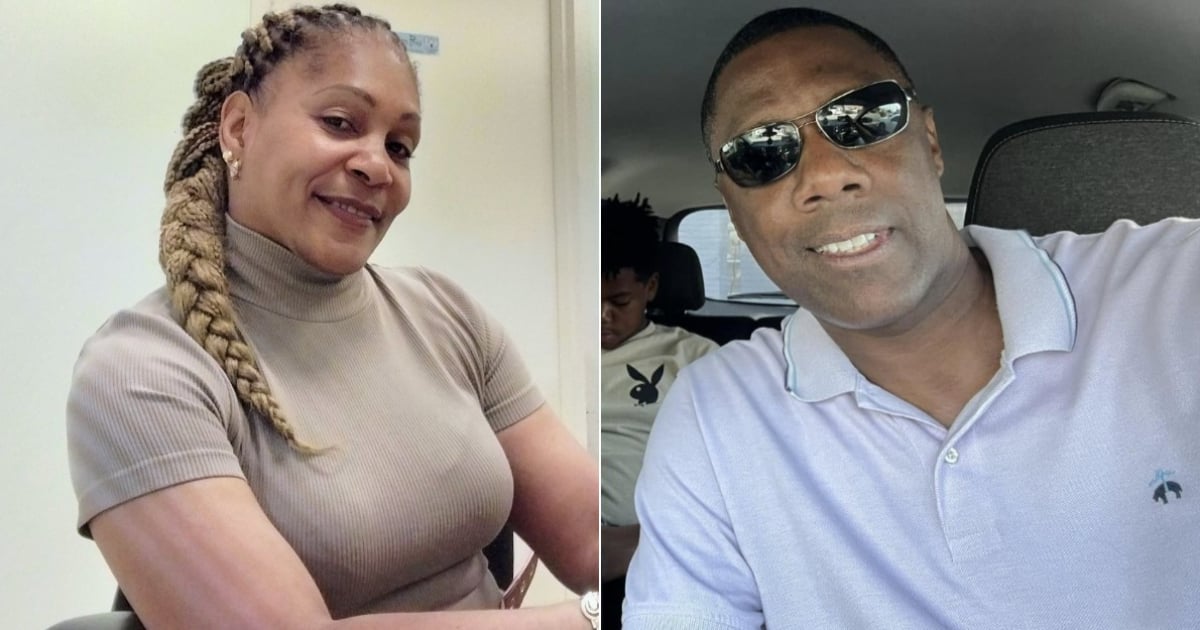
The reunification of two glories of Cuban sports, judoka Driulis González and volleyball player Ihosvany Hernández, took place on Wednesday in Miami, far from the land where they achieved their greatest successes but also where they have found a new life.
It was Hernández himself who shared on Facebook the image of the moment, taken at a Chevrolet dealership where he works as a salesman, along with a message filled with affection and nostalgia.
"The years go by, but respect, admiration, and friendship never fade. Judo and volleyball together once again at The Best Dealer in the World in Chevrolet sales. The Greats with the Greats! Driulis González, you are very much loved, and may God continue to bless you with health so that your smile, which spreads joy to everyone who knows you, never fades," he said.
In the post, dozens of followers congratulated both athletes and recalled their sporting achievements.
González, for his part, responded simply: "Blessings, champion, thank you for your attention. May God take care of you, best regards."
Intersecting stories and a shared ending
Ihosvany Hernández, a giant at 2.06 meters tall, was one of the key pillars of Cuban volleyball in the 1990s.
Three-time Olympian -Barcelona 1992, Atlanta 1996, and Sydney 2000-, he won medals in World Cups, World Championships, Leagues, and Pan American Games.
However, in 2001, he made one of the toughest decisions of his life: to desert the national team along with five other teammates during a tournament in Belgium.
He played professionally in Italy, Turkey, Argentina, Poland, and Romania until his retirement in 2013. However, his escape came at a high price: 13 years without being able to enter Cuba, ten years without seeing two of his children, and seven years without reuniting with his parents. Nevertheless, he describes his decision to leave as "the best of my life."
Today, he thrives as a salesperson at a Chevrolet dealership in Miami, helping other families achieve dreams that are unattainable on the island.
For her part, Driulis González—regarded as the best Cuban judoka of all time—also found a new beginning in Miami.
After shining in five Olympic events, with one gold, one silver, and two bronze medals, and accumulating three world titles in different divisions, the Guantanamera is now dedicated to training children and adolescents, sharing an experience that the Cuban government can no longer benefit from.
The contrast with the Cuba they left behind
Both champions symbolize the contrast between the glory achieved in the name of the Cuban flag and the subsequent neglect by the state itself. While official propaganda showcases their medals as trophies of the system, neither Hernández nor González found within the country the space to grow or the stability necessary for their future.
The reunion in Miami, celebrated with warmth and admiration, also serves as a reminder of how the Cuban government has squandered the talent of elite athletes, forced to emigrate or defect in search of a dignified future for themselves and their families.
While Cuba continues to be mired in crisis, lacking resources and a clear direction for its sports, figures like Ihosvany and Driulis are building, freely, a life away from communist control.
And their embrace in Miami is not just that of two old friends: it is also a symbol of a diaspora that the regime has never been able to silence.
Frequently Asked Questions about the Reunion of Cuban Champions in Miami
Who are the Cuban champions that reunited in Miami?
The Cuban champions who reunited in Miami are Driulis González and Ihosvany Hernández. Driulis is regarded as the greatest Cuban judoka of all time, while Ihosvany was a prominent Cuban volleyball player in the 1990s. Both have found a new life in Miami after their successful sports careers in Cuba.
Why did Ihosvany Hernández decide to defect from the Cuban national volleyball team?
Ihosvany Hernández decided to defect from the Cuban national volleyball team in 2001 during a tournament in Belgium, along with five other teammates, in search of better professional and personal opportunities. This decision cost him 13 years without being able to return to Cuba and being separated from his family, but he believes it was the best decision of his life, as he now lives in Miami and has found stability working as a car salesman.
How has Driulis González's life been after emigrating to Miami?
Driulis González has found a new beginning in Miami, dedicating himself to training children and teenagers in judo. Despite his sporting success in Cuba, where he won medals in five Olympic Games and three world championships, Driulis now shares his experience with the new generations in an environment of greater freedom and opportunities than he had in his homeland.
What does the reunion of Ihosvany Hernández and Driulis González in Miami symbolize?
The reunion of Ihosvany Hernández and Driulis González in Miami symbolizes the contrast between the sports glory achieved in Cuba and the subsequent neglect by the Cuban state. It represents how the talent of many Cuban athletes has been wasted by the regime, forcing them to emigrate or defect in search of a better future. This meeting is also a symbol of the Cuban diaspora that has found in foreign lands the freedom and recognition that the communist system denied them.
Filed under: