
Related videos:
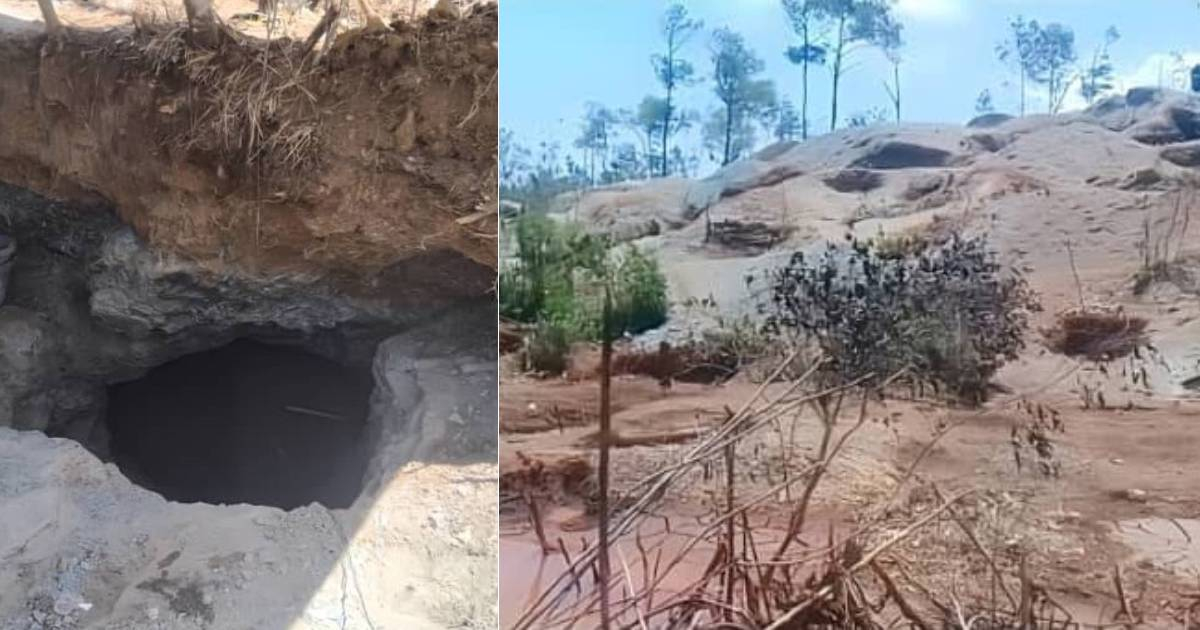
Cuban authorities reported the arrest of four individuals linked to illegal gold mining in the municipality of Moa, Holguín, where they also seized over 418,000 pesos and items related to the practice.
The news was shared by the Facebook profile Realidades desde Holguín, a page affiliated with the Ministry of the Interior and the official narrative.
According to that account, the operation took place in the Yamanigüey area after "an extensive investigative process" that allowed for the seizure of metal parts, tools for the activity, and cash.
The detainees will face charges of "illicit economic activity and soil contamination," according to the official report.
A phenomenon that repeats in eastern Cuba
This is not an isolated case. In August, a farmer was caught in Jobabo, Las Tunas, while operating a handmade mill to process gold-bearing soil. In March, also in Jobabo, eight people were arrested for extracting and trafficking gold dust using specialized tools. Even in Santa Clara, the police forces dismantled an illegal mining camp months ago.
Officialist profiles insist on presenting these events as serious crimes against the environment and the "national reserves," but they omit the underlying issue, which is the deep economic crisis that drives Cubans to resort to high-risk practices for survival.
While the regime claims to protect the country's mineral resources, what is evident in practice is the desperation of thousands of families who see artisanal mining as a potential source of income amidst scarcity, inflation, and unemployment.
The state's absolute control over the exploitation of natural resources and the lack of legal opportunities make these practices targets of repression, although behind each case are stories of necessity rather than "parasitism," as the official publication itself described it.
The gold rush in eastern Cuba not only reflects an environmental issue but also serves as a symptom of the precariousness and inequality that characterize daily life on the island.
Frequently Asked Questions about Illegal Gold Mining in Cuba
Why has illegal mining increased in Cuba?
Illegal mining in Cuba has increased due to the economic crisis facing the country, which drives many people to seek income through high-risk activities such as gold extraction. The state’s absolute control over the exploitation of natural resources and the lack of legal opportunities also contribute to the prevalence of these practices.
What are the legal consequences of illegal mining in Cuba?
People arrested for illegal mining in Cuba face charges of "illicit economic activity" and "soil contamination." Penalties may include prison sentences and significant fines, in addition to the confiscation of tools and equipment used in these activities.
What impact does illegal mining have on the Cuban environment?
Illegal mining causes serious harm to the environment, including soil and water body pollution, as well as the degradation of local ecosystems. These practices also endanger the lives of those involved due to the lack of safety measures.
How does the Cuban government respond to illegal mining?
The Cuban government has intensified operations to dismantle illegal mining camps and arrest those involved. However, the governmental response focuses more on repression than on addressing the underlying causes, such as the lack of legal employment and economic opportunities.
Filed under: