
Related videos:
The electrical microsystem of Havana collapsed this Wednesday at 1:06 PM, interrupting the partial relief that had reached some neighborhoods of the capital after the general blackout that affected the entire country.
The collapse, announced by the Electric Company of the capital, highlighted the fragility of the makeshift system implemented by the Government to compensate for the shutdown of the Antonio Guiteras thermal power plant, the largest in the country.
A few hours earlier, at 11:30 in the morning, three transmission substations had been energized, allowing for the activation of 23 distribution circuits, mainly in Guanabacoa, Arroyo Naranjo, and Boyeros.
However, the joy was short-lived: the disconnection of the microsystem plunged thousands of Havana residents back into darkness
The energy crisis originated from the breakdown of the Antonio Guiteras power plant, which left all of Cuba practically without electricity.
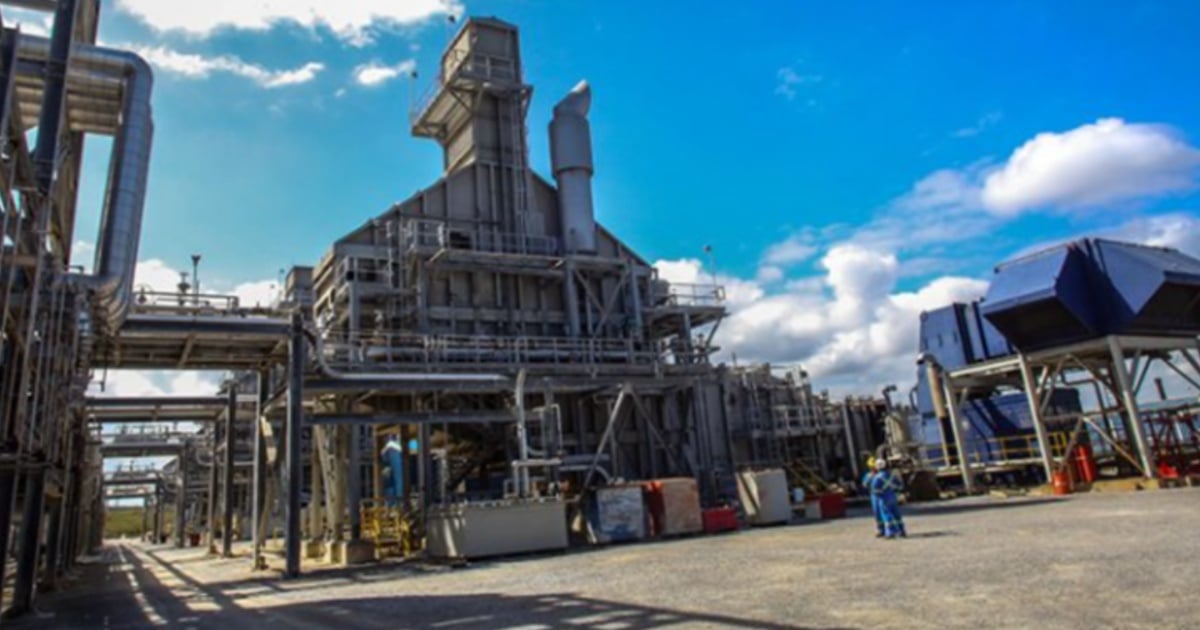
The Ministry of Energy and Mines reported that Energás Boca de Jaruco had started operations to attempt to supply thermal power plants and substations, although it acknowledged that the process of restoring the National Electric System would be "gradual."
Although the regime insists on conveying messages of "progress" and "gradual recovery," the reality is that the instability of the system leaves the population in a constant state of uncertainty.
The disconnection of the capital microsystem highlighted that emergency solutions are merely temporary fixes that do not address the root of the problem: an outdated electrical system that is poorly maintained and reliant on investments that never materialize.
Each attempt at restoration turns into a cycle of false hopes followed by new frustrations.
For the people of Havana, the collapse is not a surprise but rather a confirmation of what they endure daily: a system unable to guarantee basic services.
The blackout in the capital and the collapse of its microsystem add to the list of failures of a government that insists on glossing over a ruined electrical system with propaganda.
Frequently Asked Questions about the Collapse of the Electrical Microsystem in Havana
Why did the electrical microsystem of Havana collapse?
The collapse of Havana's electrical microsystem was due to the fragility of the improvised solutions by the Government following the breakdown at the Antonio Guiteras thermal power plant. The emergency solutions have failed to stabilize the electric service due to the obsolescence and poor maintenance of the national electrical system.
How did the electrical collapse affect the people of Havana?
The collapse left thousands of Havana residents in the dark interrupting the electrical supply in several neighborhoods that had experienced partial relief after a previous widespread blackout. The lack of electricity impacts basic services such as access to drinking water and complicates the daily lives of citizens.
What measures has the Cuban Government taken in response to the energy crisis?
The government has attempted to implement electric "microsystems" to supply facilities deemed essential, but these solutions are seen as temporary fixes that do not address the underlying issue of an outdated and poorly maintained electrical system.
What is the impact of the electrical crisis in Cuba at the national level?
The electrical crisis in Cuba is widespread, affecting nearly the entire island with prolonged blackouts. The situation has been exacerbated by a lack of investment in electrical infrastructure and the deterioration of power generation plants, creating an atmosphere of frustration and uncertainty among the population.
Filed under: