
Related videos:
The Cuban comedian Ulises Toirac, an electrical engineering graduate, once again spoke out about the profound crisis affecting the National Electric System (SEN) following the most recent massive blackout that left the entire Island in darkness for 28 hours.
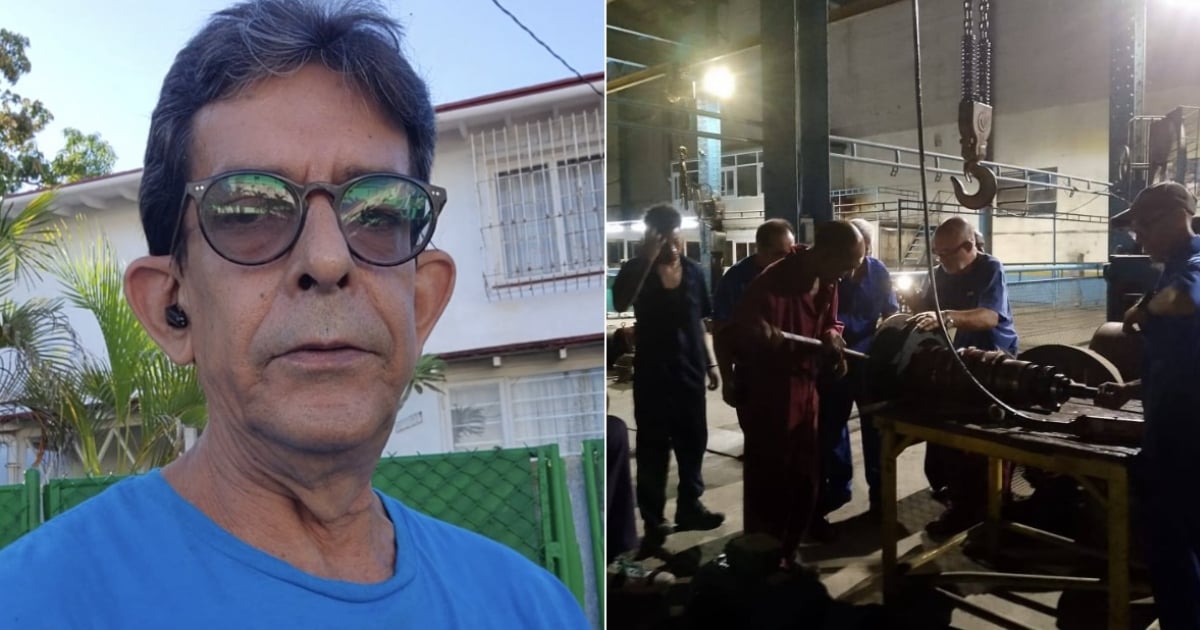
In a message posted on his Facebook account, Toirac acknowledged the work of his former colleagues in the electrical sector, while also highlighting the tragedy faced by millions of Cubans due to the government's inability to maintain a stable service.
"Another disaster in the SEN, something that was to be expected. In fact, I was amazed every day, looking at the deficit figures, that there hadn't been another collapse," he wrote.
According to what he explained, working under current conditions requires "skill, experience, and ironclad health," and those involved—linemen, repair technicians, dispatch managers—are "magicians" who, when the system collapses, "multiply hours and magic."
"My former colleagues are going through hell and deserve more than diplomas and gladioli. They are not part of the problem, but the only solution to our issues," he added.
Toirac's message arrives amidst public outrage over the fifth nationwide blackout in less than a year and the second of 2025, a record that reveals the structural decline of Cuba's energy system.
The collapse began on Wednesday at 9:14 AM with the unexpected shutdown of the Antonio Guiteras thermoelectric plant, the largest in the country, which caused a complete disconnection of the grid.
Although the Ministry of Energy and Mines assured this Thursday that all provinces are once again connected, thousands of users on social media are reporting that they are still without electricity service.
The reconnection has been slow, partial, and plagued by interruptions, reflecting an obsolete system reliant on makeshift repairs and lacking real investment for decades.
In a previous post, Toirac already pointed out that the protections and circuits are "very deteriorated," and that each blackout means not only hours without power, but also food loss, damage to appliances, and hospitals forced to operate at their limits.
"When a total blackout occurs, it is three times as demanding. They know what it means for homes, hospitals, and sensitive facilities," he warned last March.
On that occasion, the actor made his appreciation clear to all those who strive to keep the SEN alive. "It's not that they are not to blame. On the contrary, they have the courage".
In his latest message, the comedian reiterates that the blame does not lie with the technicians or the workers, but rather with a government that has led the country to rely on an electrical system so deteriorated that it threatens to collapse at any moment.
"My respect, admiration, and embrace to all of them," concluded Toirac, in a gesture of support for those who, with great sacrifices, keep alive the little that remains of the SEN.
Frequently Asked Questions about the Crisis of the National Electric System in Cuba
What is the current situation of the National Electric System in Cuba?
The situation of the National Electric System (SEN) in Cuba is critical, with a recent massive blackout leaving the island without electricity for 28 hours. The system is outdated and has been operating with makeshift repairs and without significant investments for decades. This has caused frequent collapses, severely impacting the daily lives of Cubans.
Why do massive blackouts occur in Cuba?
Massive blackouts in Cuba are due to a deteriorated and obsolete electrical system, with thermoelectric plants that have been in operation for over 40 years without proper maintenance. Unforeseen failures, lack of investment, and aging infrastructure are the main causes of the blackouts. The Antonio Guiteras thermoelectric plant, the largest in the country, has been one of the primary sources of problems.
How does the electricity crisis affect the Cuban population?
The electricity crisis severely affects the Cuban population, causing food loss due to lack of refrigeration, damage to appliances, and difficulties accessing basic services. Public health is also threatened by high temperatures, the proliferation of mosquitoes, and the lack of electricity in hospitals and health centers. Furthermore, prolonged blackouts impact the mental and physical well-being of citizens.
What does the Cuban government say about the energy crisis?
The Cuban government has acknowledged the "harsh" situation of the electrical system and has promised to work on renewable energy projects. However, the promises of improvement have remained on paper, while the reality is that the system continues to collapse regularly. The lack of structural solutions and the dependence on outdated infrastructure increase skepticism and frustration among citizens.
Filed under: