
Related videos:
The Minister of Transport, Eduardo Rodríguez Dávila, reported on that in recent hours, dozens of passengers on train No. 18 Bayamo-La Habana were attended to after suffering from food poisoning.
The outbreak resulted in vomiting and dehydration, forcing the train to stop in the town of Jicotea, Ranchuelo municipality (Villa Clara), to urgently assist those affected.
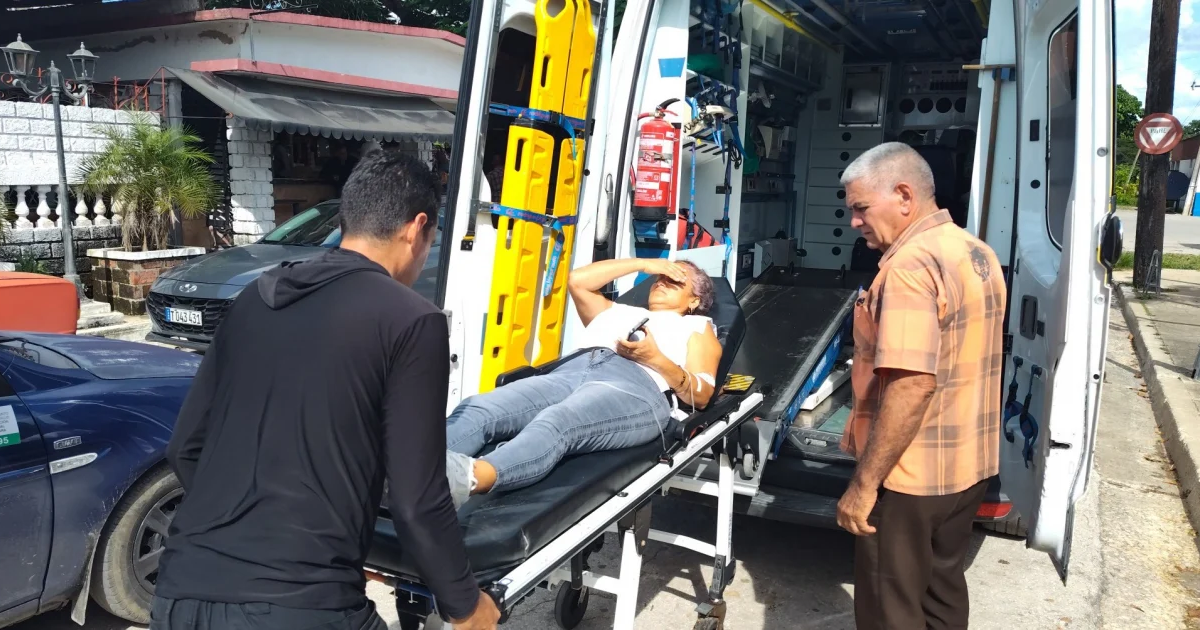
According to the official report, 653 passengers were screened and 25 were taken to hospitals: 20 adults and five children.
The children were admitted to the José Luis Miranda pediatric hospital in Santa Clara, while the adults were taken to the Arnaldo Milián Castro provincial hospital.
Among the crew, there were also three intoxicated individuals.
Although no severe cases were reported, the situation highlights the extent of vulnerability to which travelers are exposed.
The train was transporting 38 minors, of whom five fell ill.
There were also 485 older adults traveling, of which 21 were intoxicated. There was one pregnant woman, who was not affected, and 159 individuals over 60 years old who also showed no symptoms.
Of the 45 crew members, three were poisoned.
The minister assured that the "situation is stabilized" thanks to the response of medical institutions and the presence of leaders from the Party and the Government, along with representatives from the Ferrocarriles de Cuba company.
Without yet knowing the causes
According to Rodríguez Dávila's additional comments in another , upon their arrival in Havana, the remaining passengers were transported by bus to their municipalities of residence.
He also stated that several units of the SIUM were mobilized in the capital, but ultimately it was not necessary to use them.
The leader questioned the occurrence of an event of this type, as he reported that actions are being taken to improve food services on the national passenger trains.
"We will take additional measures to prevent an event like this from happening again and, in general, to improve the service," he stated.
"At the same time, investigations are being carried out by the specialized entities to determine the causes," he pointed out.
A journey marked by uncertainty, neglect, and danger
What began as an ordinary journey to the capital ended in a health alarm episode that exposed the deterioration of the railway system and the negligence of the responsible institutions.
However, the official explanation avoids addressing the source of the outbreak, despite independent media and social media users directly blaming a contaminated snack sold on board by the state railway company.
According to the Facebook page La Tijera, the first symptoms began to manifest around 11:00 AM the day after the train departed, worsening as the journey progressed.
The testimonies describe scenes of distress and a lack of immediate response from the Viajero Company, which, according to reports, did not provide solutions for stranded passengers or for transporting the sick by bus to Havana.
A user summarized the outrage of many by asking: "Were they waiting for them to fall from weakness?"
Finally, buses were arranged to transport some passengers once they were discharged, while the train continued its journey and arrived in Matanzas at 8:30 PM, escorted by local authorities and health and epidemiology personnel.
The episode adds to a series of failures that highlight the collapse of the infrastructure and services controlled by the State.
Rail transport, historically a pillar of national mobility, has become a risk to the health and safety of Cubans, unable to ensure minimum hygiene conditions or adequate care in emergencies.
While the government insists on talking about "rapid response," the reality is that a train journey through Cuba has become a voyage marked by uncertainty, official neglect, and health risks.
Frequently Asked Questions about the poisoning incident on the Bayamo-Havana train
What caused the food poisoning on the Bayamo-Havana train?
The cause of the poisoning is believed to be a contaminated snack sold on board by the state railway company. Symptoms of vomiting and diarrhea began to appear around 11:00 am the day after the train departed, worsening throughout the journey.
How many passengers were affected by the poisoning on the train?
A total of 653 passengers were screened, of which 25 were taken to hospitals: 20 adults and five children. There were also three crew members who were intoxicated.
How did the Cuban government respond to the poisoning outbreak on the train?
The government assured that the situation was stabilized thanks to the response from medical institutions and the presence of Party and Government leaders alongside representatives from the Ferrocarriles de Cuba company. However, the situation highlighted the deterioration of the railway system and the negligence of the responsible institutions.
What measures were taken for the passengers affected by the poisoning?
Affected passengers received immediate medical attention. Buses were arranged to transport some passengers once they were discharged, while the train continued its journey to Matanzas, escorted by local authorities and public health personnel.
What is the current state of the railway system in Cuba?
The Cuban railway system is in a critical state, characterized by significant deterioration, lack of maintenance, and structural issues. Frequent accidents and negligence highlight the urgency to modernize and strengthen the national railway network to ensure passenger safety.
Filed under: