
Related videos:
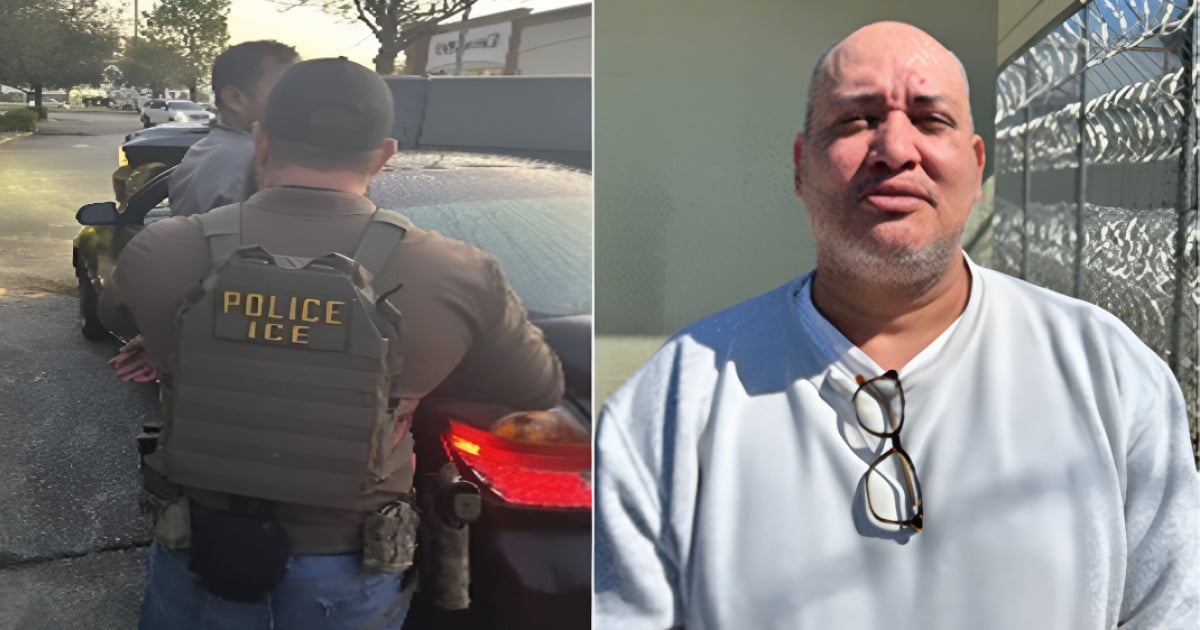
Agents from the U.S. Immigration and Customs Enforcement (ICE) arrested Roberto Martínez, a Cuban migrant, in New Orleans.
“ICE New Orleans arrested a Cuban citizen. His criminal record includes a conviction for: Money laundering,” the agency reported on X.
The detention of Cuban migrants by ICE occurs almost daily as part of the anti-immigrant campaign carried out by the Trump Administration.
On Saturday, it was reported that two Cuban citizens were arrested in separate operations that the agency describes as "violent foreign criminals": one in San Antonio and the other in Detroit.
Migrants with a criminal record are usually included in the list of "the worst of the worst," which is how ICE categorizes those arrested as "violent foreign criminals."
The Trump administration has sent immigrants who have committed serious crimes - including Cubans - to third countries amidst allegations of arbitrary detentions and lack of access to legal defense.
A ruling by the Supreme Court overturned previous judicial restrictions in June and cleared the way for the White House to implement the deportation measure for certain immigrants to countries other than their countries of origin, including destinations where they face risks of torture or death.
Frequently Asked Questions about the Detention of Cuban Migrants by ICE
Why did ICE detain Roberto Martínez in New Orleans?
Roberto Martínez was arrested by ICE due to a conviction for money laundering. These types of arrests are part of the Trump administration's policy to deport immigrants with criminal records.
What does it mean to be on ICE's "worst of the worst" list?
Being on ICE's "worst of the worst" list means being considered a violent foreign criminal. These individuals are prioritized for deportation due to their serious criminal records and are seen as a threat to public safety.
How does the immigration policy of the Trump administration affect Cubans in the U.S.?
The immigration policy of the Trump administration has intensified the deportations of Cubans with criminal records. Many are sent to third countries, as the Cuban regime frequently refuses to accept them, especially if they have a criminal history.
What happens to Cubans who are not accepted back by their country?
When Cuba refuses to accept Cuban citizens deported due to criminal records, the U.S. sends them to third countries. This practice has been criticized for exposing deportees to additional risks in places like South Sudan or Eswatini, without security guarantees.
Filed under: