
Related videos:
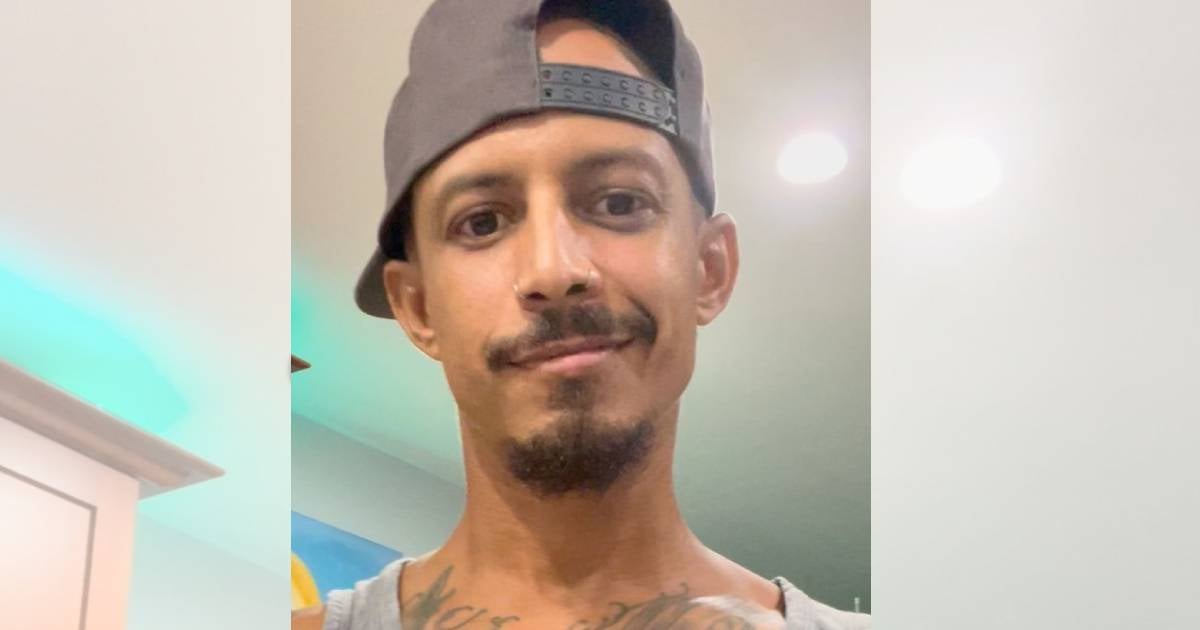
A Cuban tattoo artist, identified as Miguel Benítez Mirabal, claims that in Cuba his profession makes him a "subversive" and exposes him to harassment and repression. The 36-year-old man, originally from Havana, had his asylum request in the Cayman Islands denied, where he was residing with a work permit, and now he faces the risk of deportation.
According to local media Cayman News Service, Mirabal requested asylum after his contract at a tattoo studio expired, claiming that returning to the Island would leave him vulnerable to “harassment, abuse, and detention” due to his involvement in an independent cultural movement advocating for creative freedom. In court documents, the artist stated that his work has made him a person of “interest” to the Cuban authorities, who see him as a threat.
Despite the fact that the Cayman Customs and Border Control Department acknowledged that Mirabal has “a characteristic that could” lead to persecution under the Refugee Convention, his request was denied on September 1. According to his lawyers, the denial does not challenge the grounds of his account, but rather his credibility, and therefore they demand that the case be reviewed in court before his deportation is carried out.
Tattooing in Cuba: A Clandestine Trade
Mirabal's statements are supported by the situation of tattoo artists in Cuba, where the profession is not legally recognized and exists in a limbo that blends secrecy, precariousness, and official distrust.
A report by Vice describes how there are no official tattoo courses or books on the subject on the Island; machines and inks are not produced, and the importation of these supplies is prohibited.
"Everyone here has gone through that: I had a homemade machine and improvised ink," said a young tattoo artist from Havana to the outlet, who portrayed the practice as a craft characterized by creativity and informality, but also by risk.
For its part, the Spanish newspaper El Español described the situation in 2017 as “the legal limbo of Cuban tattoo artists,” noting that this profession does not appear on the list of permitted self-employed activities. This forces those who open studios to live in a state of uncertainty, without legal protection, without hygienic and sanitary controls, and under the constant threat of inspections and arbitrary closures.
In that context, several groups have tried to gain visibility and negotiate with cultural authorities, but without definitive success. “Tattooing is still not accepted by the State, and consequently, by any of its institutions,” the newspaper emphasized at that time.
A case that reveals more than a file
The Mirabal case, currently in limbo while a court decides whether to allow its judicial review, reflects how a popular cultural practice in Cuba can be interpreted by the regime as a form of dissent.
For the Havana tattoo artist, their craft is not just a means of livelihood but also a space for expression and autonomy that has drawn the attention of the authorities. For the institutions in Caimán, however, their history still fails to establish the "well-founded fear" necessary to obtain asylum.
While the justice system determines whether he can be deported or if his case deserves a new evaluation, Mirabal's complaint highlights the paradox of a country where tattooing is becoming increasingly common among Cubans, yet is still viewed by the State as a suspicious activity.
Frequently Asked Questions about the Situation of Tattoo Artists and Repression in Cuba
Why can being a tattoo artist in Cuba be considered a subversive activity?
In Cuba, being a tattoo artist is considered a subversive activity because the profession is not legally recognized and takes place in a clandestine environment. The Cuban government distrusts this trade, as it lacks legal protection and hygienic-sanitary controls, and tattoo artists work under the threat of inspections and arbitrary closures.
What is the legal situation of tattoo artists in Cuba?
The legal situation for tattoo artists in Cuba is precarious, as the profession is not included in the list of authorized self-employment activities. This forces tattoo artists to operate in a legal limbo, without legal guarantees or official protection, which increases their vulnerability to the authorities.
What consequences does Miguel Benítez Mirabal face for his activity as a tattoo artist in Cuba?
Miguel Benítez Mirabal faces the risk of harassment, abuse, and detention in Cuba due to his work as a tattoo artist and his involvement in an independent cultural movement. The Cuban authorities see him as a threat, making him a person of interest to the government and increasing his risk of persecution.
Filed under: