
Related videos:
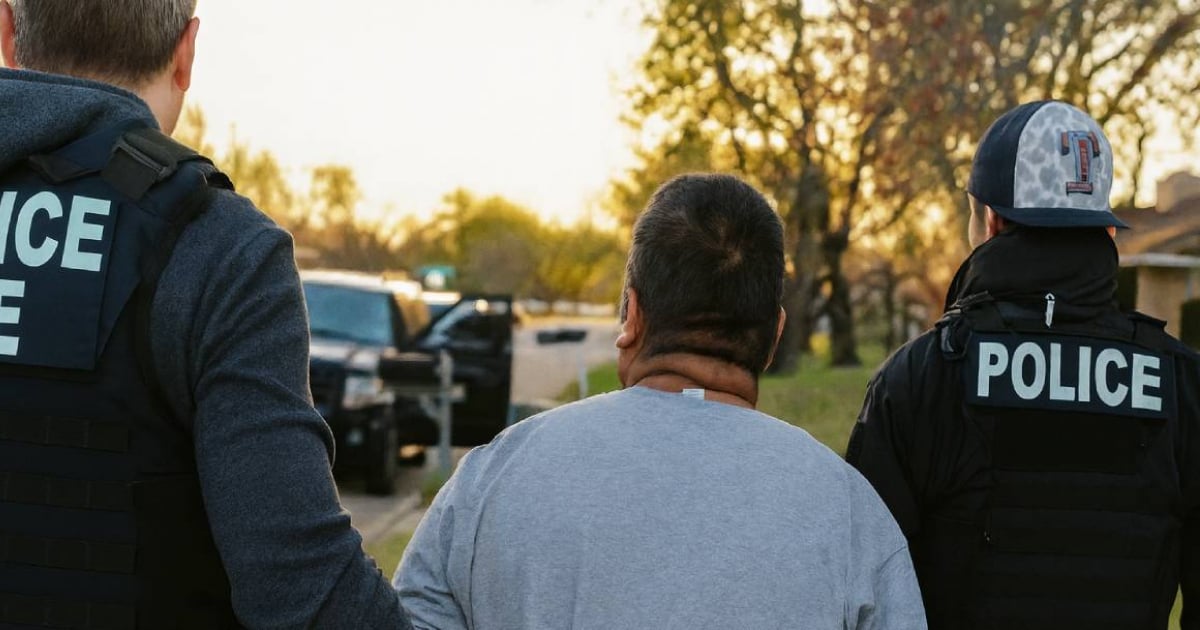
The arrests of Cubans with I-220A immigration status continue to rise in the United States under the immigration policy driven by President Donald Trump.
The recent case that has been reported is that of Rubén del Valle, who was arrested in Miami after attending his court hearing on September 12.
The journalist Javier Díaz reported that the man was arrested immediately after the judge dismissed his case, and he remains in the custody of Immigration and Customs Enforcement (ICE).
The young Cuban has until October 15 to appeal the decision; otherwise, he will receive a deportation order and will be required to leave the country.
This is not an isolated case. In recent months, the number of detentions of Cubans with I-220A has increased, many of whom are hardworking individuals without a criminal record and with ongoing legal processes. The pattern of arrests is increasingly concerning to the migrant community.
Arrested after a routine appointment with ICE
Another recent case is that of Pastor Michel Roque Armas, originally from Pinar del Río, who was arrested three months ago in San Antonio, Texas, after attending a routine appointment with ICE. His family kept the incident quiet until last Friday, when a judge issued the deportation order.
His wife Rosmery expressed the desperation she faces, as she would be left alone with her five-year-old daughter. "He is a good man, he has no criminal record," the woman emphasized, denouncing the unfairness of the process.
Persecution of workers and families
The story of Yasmani Guía Pablo, a Lyft driver in Georgetown, Texas, has also sparked outrage. He was arrested while working, accused of driving under the influence, an allegation that his wife - a U.S. citizen - firmly denied, describing the incident as a racially motivated act.
Yasmani, a Christian musician, also holds an I-220A and is now facing a deportation process.
In Phoenix, Arizona, a Cuban woman was arrested after leaving her job, despite having a valid work permit. She was detained for a month and was released with an electronic ankle monitor.
Cases like these reveal how the recent actions of ICE are affecting even those who are fulfilling their legal obligations. Often, the arrests occur without a clear or coherent justification, which increases the feeling of legal insecurity among migrants.
Raids in courts and summary deportations
In Miami, journalists have documented raids in immigration courts, where Cubans with I-220A have been arrested as they leave their hearings. The sudden detentions have created a widespread atmosphere of fear among those undergoing immigration processes.
The situation has led to criticism within the Cuban community in the U.S., especially towards those who, while also being migrants or even Cuban, applaud or justify these detentions.
The I-220A document has been used by thousands of Cubans who arrived in the United States without a defined legal status. It does not guarantee residency, but it has allowed them to remain in the country while waiting to take advantage of options such as the Cuban Adjustment Act.
However, the shift in immigration policy by the current administration has turned that temporary safe conduct into a legal trap, in which many fall without having committed any crimes or violated immigration regulations.
Frequently Asked Questions about the Detention of Cubans with I-220A in the U.S.
What is the I-220A document and what does having it imply?
The I-220A document is a temporary permit that allows certain Cuban immigrants to remain in the United States while they await the resolution of their legal status. However, it does not grant permanent residency or a defined legal status. This document has been used by thousands of Cubans as a safe passage while they seek to take advantage of options such as the Cuban Adjustment Act.
Why are the arrests of Cubans with I-220A increasing under the administration of Donald Trump?
Detentions have increased due to the crackdown on illegal immigration implemented by the Trump administration. This policy has resulted in raids and arrests, even of those immigrants who have no criminal records and are undergoing their legal processes. This approach has created a climate of fear and legal insecurity among the Cuban migrant community.
What risks do Cubans with I-220A face when attending their immigration hearings?
Cubans with I-220A face the risk of being detained when leaving their immigration hearings, even if their cases are dismissed. ICE agents often wait outside the courts to make arrests, which has been described as a violation of due process rights. Despite having the option to appeal, many face the possibility of deportation if they do not act promptly.
What can Cuban immigrants do to protect themselves against these detentions?
It is essential for Cuban immigrants to seek specialized legal advice before attending their hearings. Having an attorney can make a significant difference in how their case is handled in court. Additionally, it is crucial to keep contact information updated with immigration authorities and to be informed of their rights to avoid unjust detentions and deportations.
Filed under: