
Related videos:
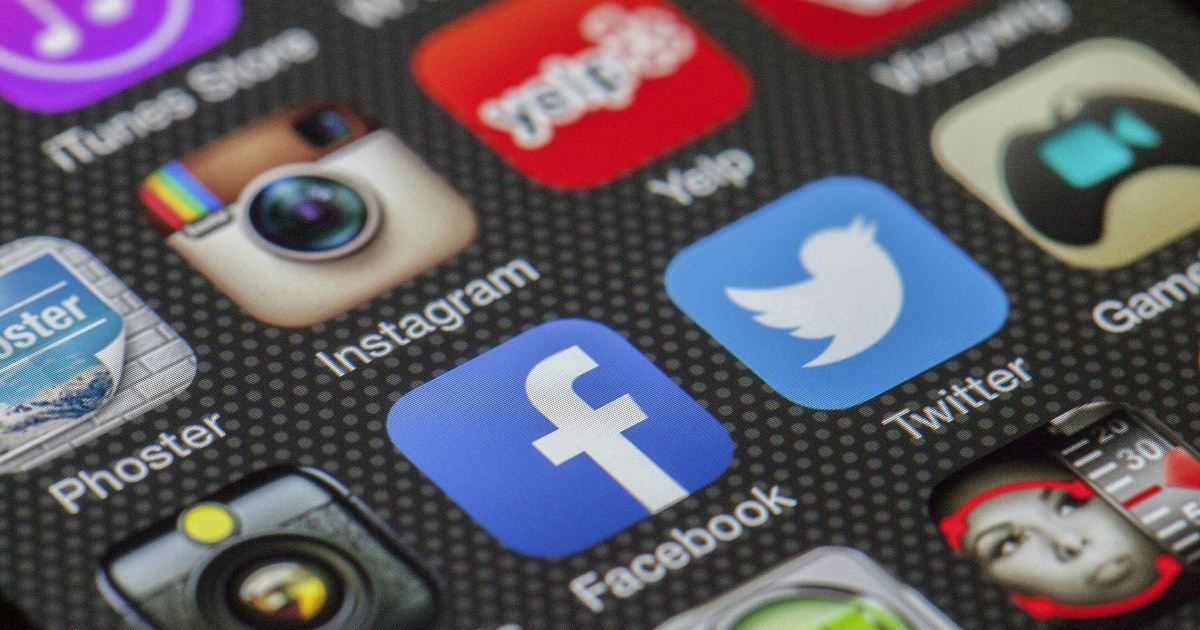
Millions of immigrants could be required to submit their social media profiles as part of their processes with the U.S. Citizenship and Immigration Services (USCIS).
A new proposal from the administration of President Donald Trump aims to extend digital verification as a tool for security and identity verification.
Who will be affected?
The change directly affects applicants for key immigration benefits, including processes for naturalization, asylum, refuge, and permanent residency.
The proposal, published by the Department of Homeland Security (DHS) in the Federal Register on September 16, 2025, introduces the requirement to include social media identifiers in multiple official USCIS forms.
Among the forms involved are:
N-400: Application for Naturalization.
I-131: Application for Travel Document.
I-192: Advance permission to enter as a non-immigrant.
I-485: Adjustment of status or application for permanent residency.
I-589: Application for Asylum and Withholding of Deportation.
I-590: Registration for classification as a refugee.
I-730: Petition for relatives of a refugee/asylee.
I-751: Removal of conditions on residence.
I-829: Removal of conditions for investors.
What does the new measure consist of?
The rule -still in public consultation phase until October 16, 2025- arises as part of Executive Order 14161, signed in January of the same year under the title "Protection of the United States from foreign terrorists and other threats to national security and public safety."
USCIS estimates that this new requirement will affect more than three million applicants per year, adding an estimated 3.2 million additional hours of administrative burden for those completing the forms.
According to the regulations, applicants must provide the identifiers of their active and past accounts on social media platforms.
In cases where profiles are set to private, officials may require additional access to old and recent content to complete the review.
"The official objective is to strengthen identity verification and national security background checks," states USCIS in its report attached to the proposal.
Privacy under threat
One of the most controversial points is the potential impact on freedom of expression and the right to privacy for immigrants.
"Visa applicants, especially students, must ensure that their profiles are public, as private profiles could be interpreted as an attempt to conceal information," warned journalist Mario J. Pentón.
This new scrutiny would not be limited to recent publications. Older posts, comments, and social media connections would also be subject to review, which, according to legal experts, could create ambiguities in the evaluation of content taken out of context.
It's not the first time
Although it is now being institutionalized, the government's review of social media in the United States is not a new practice.
The Trump administration had already established a policy of ongoing review for visa holders, under the direction of Secretary of State Marco Rubio.
This policy affects more than 55 million people worldwide.
In this context, the State Department reviews activities after visa issuance, including illegal stays, criminal records, ties to terrorist groups, and behavior on social media.
Only in 2025, this policy has resulted in the revocation of around 6,000 visas.
Rubio warned that this policy "is not limited to new applicants, but can be applied at any time," even to tourists with multiple entry visas or residents outside the country.
Furthermore, the issuance of work visas for commercial truck drivers has been suspended, as part of efforts to reduce internal risks.
Critics argue that these measures represent a new form of "preventive surveillance" that could be used in a discriminatory or arbitrary manner.
What should applicants do?
The regulation has not yet been approved and is subject to review.
The DHS has opened a public comment phase until October 16, during which citizens, organizations, and advocates can submit their opinions through regulations.gov, under docket number USCIS-2025-0003.
USCIS clarified that no additional fees will be imposed for the inclusion of social media, although it may increase the time required to complete the forms.
A new obstacle on the migratory route
For civil rights advocates, this proposal represents a troubling precedent.
Organizations like the ACLU have pointed out that similar measures in the past have led to excessive surveillance, racial profiling, and unjustified entry restrictions into the country.
In a context where every digital interaction can be scrutinized and reinterpreted, the online lives of immigrants are at the heart of the debate on security and fundamental rights.
In the absence of clear definitions regarding what type of content would be considered "risky" or "threatening," many fear that personal posts, political criticisms, or even the use of memes could be used against them.
The measure, if approved, will not only mark a shift in migration processes but also in the way millions of people manage their digital identity in relation to their immigration status.
Frequently Asked Questions about Social Media Review for Immigrants in the U.S.
Who will be required to provide their social media accounts to USCIS?
Applicants for key immigration benefits, such as naturalization, asylum, refuge, and permanent residency will be required to provide their social media identifiers. This new measure affects millions of immigrants, who will need to include this information on forms such as the N-400, I-131, I-192, among others.
What is the purpose of the USCIS's review of social media?
The official objective is to strengthen identity verification and national security background checks. The administration aims to prevent threats to public safety by scrutinizing the digital activities of applicants for immigration benefits.
What implications does this measure have for the privacy of immigrants?
The measure could threaten freedom of expression and the right to privacy of immigrants. Social media profiles, even if they are private, may be required for review, raising concerns about the use of information out of context.
What can applicants do in light of this new regulation?
Applicants can submit public comments on the regulations until October 16, 2025. The DHS has established a public comment period where citizens and organizations can express their views through regulations.gov.
Filed under: