
Related videos:
A Russian tourist described her vacation in Cuba as an experience characterized by contrasts, where the natural beauty of the Caribbean was overshadowed by dirt, decay, and scarcity. Her testimony, published by the Russian media Money Times, adds to the growing criticism regarding the crisis facing tourism on the island.
Anna S., who chose to travel to Cayo Coco spontaneously because her passport was about to expire, stayed at the 4-star Mojito Hotel, which is part of the Cubanacán chain. What she found there reminded her, as she said, "of the Soviet times of scarcity."
In her review, Anna recounted that after 15 hours of travel, she was welcomed into a spacious and bright room, but the level of dirt left her in shock: hair on the floor, sand in the bathroom, and a complete lack of hygiene.
“For the first time in an all-inclusive package, there was no drinking water in the room. The bar only served alcohol and coffee; you had to find water at the restaurant,” he reported.
Additional details contributed to the situation: the shampoo is only replenished every two days, towels are not changed without a tip, and mosquitoes and ants invade the areas of the complex. “In the tropics, you need care, but there is none here,” lamented the tourist.
Paradise beach, hotel in ruins
The experience was not entirely negative. Anna was fascinated by the white sandy beach, the crystal-clear ocean, and the opportunity to enjoy cocktails made with fresh coconuts. "That made up for a lot of the disadvantages," she acknowledged.
However, the hotel's facilities were far from what is advertised on its official page, where the pool, gym, children's activities, and nighttime entertainment are highlighted.
According to the visitor, the pools are made of faded plastic, the slides are unsafe, the paint is peeling, and a poorly maintained pond emits a foul smell and attracts mosquitoes.
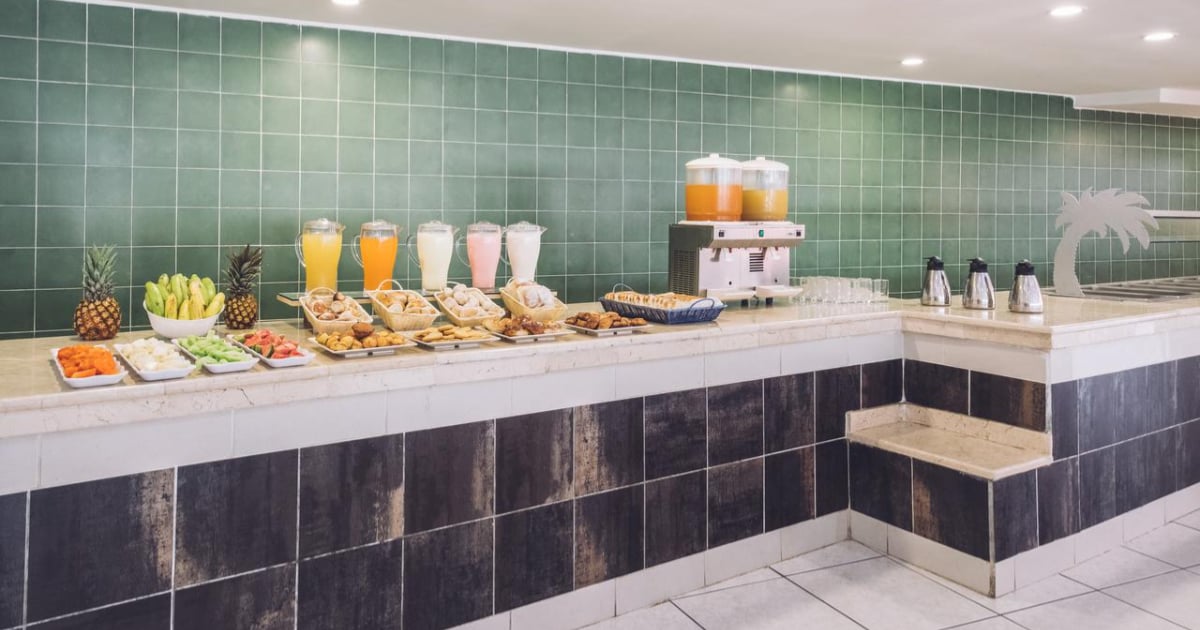
Regarding the food, the review notes that while there is some variety, the offerings soon become repetitive, with limited fruits and vegetables. “For an all-inclusive experience, it’s a C+, but nothing more,” Anna concluded.
What impacted him the most, however, was the overall atmosphere of the country: “Cuba is beautiful, but the reality is bleak. There is scarcity for everyone, including tourists,” he stated.
A portrait amid the tourism crisis
The testimony of this traveler arrives at a critical moment for Cuban tourism, which is experiencing one of its worst crises in decades. Only between January and June 2025, 1.3 million travelers arrived, 319,654 fewer than in the same period of 2024, according to data from the National Office of Statistics and Information (ONEI).
The decline is particularly pronounced in the two most important markets for the island: Russia and Canada. In the case of Russia, only 63,708 tourists arrived in the first half of the year, nearly 49,000 fewer than in 2024. Canada, traditionally the top sending market, saw a decrease from 577,624 to 428,125 visitors.
The hotel occupancy rate in the first quarter was only 24.1%, meaning that three out of four rooms remained vacant, even during peak season. At the same time, overnight stays dropped from more than five million to 3.6 million, and sector revenues plummeted by 21.5%.
While the regime insists on presenting tourism as the "engine of the economy," testimonies like Anna's highlight the contrast between official propaganda and the real experiences of visitors.
The Russian tourist sums it up bluntly: “I had never seen so much madness anywhere. Cuba is amazing, but at the same time horrible.”
Frequently Asked Questions about the Tourism Crisis in Cuba
Why does the Russian tourist compare her stay in Cuba to Soviet-era scarcity?
The Russian tourist compared her stay in Cuba to the Soviet shortages due to the lack of hygiene, dirtiness, and absence of basic resources in the hotel where she stayed. She found a dirty room, no drinking water in the room, and other service deficiencies that reminded her of times of scarcity in the Soviet Union.
What are the main criticisms facing hotels in Cuba?
The main criticisms of hotels in Cuba include a lack of hygiene, inadequate services, and deterioration of facilities. In addition, tourists have reported issues such as food shortages, insects in the rooms, and customer service that leaves much to be desired. These problems affect both luxury hotels and other categories.
How has the tourism crisis impacted the Cuban economy?
The tourism crisis has significantly impacted the Cuban economy, with a decrease in the number of visitors and a reduction in sector revenue. Hotel occupancy is low, and income has decreased notably. Despite the situation, the Cuban government continues to invest in hotel construction, a strategy that has been questioned due to low demand.
What factors contribute to the decline of tourism in Cuba?
Factors such as food shortages, lack of hygiene, power outages, and insecurity contribute to the decline of tourism in Cuba. Additionally, limited air connectivity and general dissatisfaction with the quality of services have caused Cuba to lose its appeal as a tourist destination compared to other Caribbean countries.
What recommendations do travelers give to those who wish to visit Cuba?
Travelers recommend bringing insect repellent, sunscreen, and personal hygiene products when visiting Cuba. These recommendations stem from the difficulty in finding these items on the island and the need to prevent health issues during your stay. Additionally, they suggest managing your expectations regarding the services you will receive.
Filed under: