
Related videos:
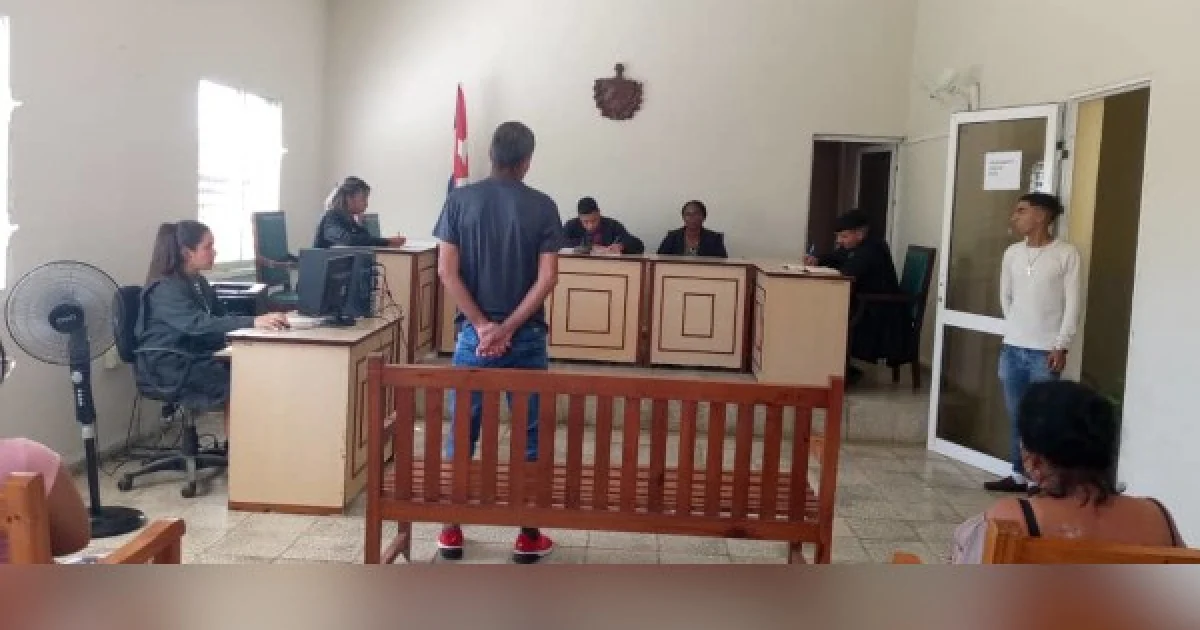
The municipal court of Abreus, Cienfuegos, sentenced Javier Santana Rodríguez to one year of correctional labor with internment, after he was accused of stealing five quintals of potatoes from the Base Business Unit Carmelina, located in Horquita.
The ruling was presented by the official press as an "exemplary" trial, amid the economic and food crisis the country is facing.
According to the newspaper 5 de Septiembre, the events took place on February 16th, when Santana Rodríguez was caught transporting 230 kilos of potatoes taken from the fields of the state-owned company in an animal-drawn cart.
The product was fully recovered, and no financial losses were reported.
The accused received, in addition to the main penalty, the suspension of civic rights, including the prohibition of voting, holding leadership positions, or leaving the country until the sanction is served.
Trials as a warning
Cuban authorities are insisting on imposing severe penalties for crimes related to food production, which are deemed strategic in the context of accelerated inflation, chronic shortages, and uncontrolled price increases.
Such judicial processes are presented as deterrent measures, aimed at "protecting the national economy."
However, the population accuses the regime of not addressing the structural causes of the increase in crime: widespread scarcity, low wages, and the state's inability to ensure a stable supply of food.
In this scenario, the theft of agricultural products has become increasingly common in the production hubs of the Island.
Amid hunger, social discontent, and insecurity
While the government seeks to display a hard stance against those accused of theft, citizens are reporting a surge in crime and violence on the streets.
Many demand sanctions against common criminals, but they also question the inefficiency and negligence of the police, which, in their view, fails to contain either thefts or violent incidents that affect the community.
The case of Cienfuegos illustrates the contradiction in which Cuba finds itself today: on one hand, a state that escalates exemplary trials to curb food loss in the countryside; on the other, a population increasingly affected by the crisis, which perceives that the harshness of justice falls upon individuals without addressing the underlying issues that drive crime.
Frequently Asked Questions about Food Crime Convictions in Cuba
Why was Javier Santana Rodríguez convicted in Cienfuegos?
Javier Santana Rodríguez was sentenced to one year of corrective work with confinement for the theft of five quintals of potatoes at the Base Business Unit Carmelina in Cienfuegos. The ruling was presented as a "deterrent" trial amid the economic and food crisis facing Cuba.
What does an "exemplary" trial imply in Cuba?
A "deterrent" trial in Cuba seeks to dissuade the population from committing crimes by imposing severe penalties, particularly in cases related to food production. These trials are used to send a warning message; however, critics argue that they do not address the underlying causes of crime, such as food shortages and low wages.
How does food scarcity affect crime in Cuba?
The scarcity of food in Cuba has increased crimes related to the theft and trafficking of agricultural and livestock products. The lack of basic resources drives many people to commit crimes for survival, highlighting the State's inability to ensure a stable supply of food, which in turn fosters criminal activity.
What criticisms does the Cuban government face regarding its policy of exemplary trials?
The Cuban government faces criticism for not addressing the underlying causes of the economic crisis that drives crime. Instead of implementing restorative policies and improving economic conditions, the regime chooses severe punishments as a form of social control. These methods do not resolve the shortages or structural corruption affecting the country.
Filed under: