
Related videos:
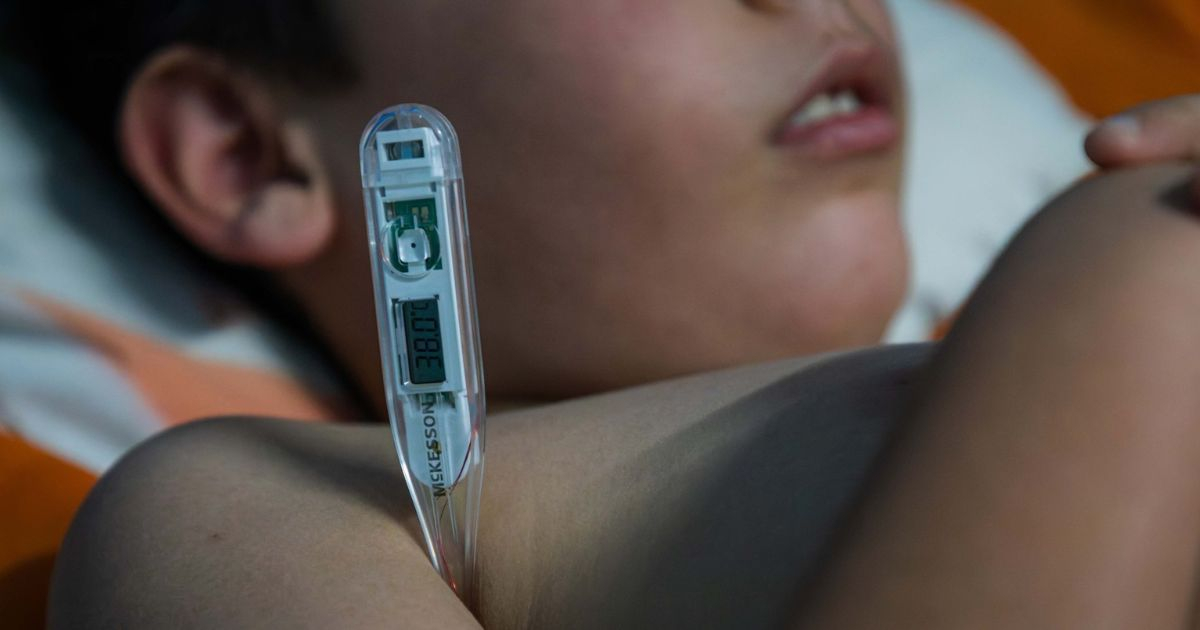
The Cuban Yulianela Yoliesky Amador denounced on Monday the precarious conditions of the healthcare system in Cárdenas, Matanzas, after several days of distress due to the lack of medical attention and resources to treat her 15-year-old son, who is suffering from idiopathic arthritis, hepatitis, and a possible viral infection.
“There is no doctor, there are no reagents, there is nothing,” wrote the distressed mother on Facebook, recounting how she has had to visit hospitals and clinics without getting any answers.
“Every time I go, there’s nothing to reduce a fever. I hold all the staff responsible for anything that may happen to my son,” she expressed.
The mother explained that her son has been running a temperature of 40 degrees for several days and that he has been unable to undergo the necessary tests because the hospital lacks the required reagents.
He stated that the transaminase test, essential for assessing the severity of hepatitis, has not been conducted, despite having provided all the patient's information to the hospital.
Days earlier, Amador had publicly thanked a doctor and an ultrasound technician from the hospital in Cárdenas on Facebook, but he took the opportunity to highlight the shortage of staff and the heavy workload in the emergency laboratory, where a single technician was handling more than 16 cases.
"It's inhumane for her and also for the sick patients who need rest and have to wait for long hours," she wrote.
The situation worsened when, at night, he went to the Echeverría polyclinic and found that there were no basic medications available either.
"I had to rush back home with my son, who was feverish, because by nine o'clock at night there was no more Duralgin for injection," she lamented.
The mother also reported that the Clinic #9 in her area does not have a doctor, which has forced her to rely on the pediatric service at the provincial hospital.
"Today my situation is uncertain. I will not stop publicly denouncing this abuse," she concluded.
The posts from this mother reflect the health crisis affecting Matanzas and other provinces in the country, where the shortage of medicines, reagents, and medical personnel worsens each week, while the authorities assure that "everything is guaranteed."
The complaint from this mother contradicts the recent statement from the Provincial Health Directorate of Matanzas, which denied that the Julio M. Aristegui Villamil general teaching hospital in Cárdenas has suspended its laboratory services due to a lack of reagents, after reports of deficiencies in medical care circulated on social media.
In a statement published on its official Facebook profile, the entity assured that the hospital maintains "a stable and sufficient supply of reagents and materials" and that essential tests "have not been suspended."
They admitted that "specific situations of inventory replenishment" may arise, but they insisted that these "have not affected patient care."
They also invited the public "to seek information from official channels and not to spread rumors that may cause confusion or mistrust."
Similarly, the health authorities of Matanzas confirmed that no deaths have been recorded from the current outbreak of virus transmitted by mosquitoes in the province, although they acknowledged that all 13 municipalities show circulation of chikungunya, and 12 are experiencing active transmission of dengue, with the exception of the Ciénaga de Zapata.
However, the Ministry of Public Health of Cuba (MINSAP) began to relocate doctors and nurses from other provinces to Matanzas, in an effort to contain the deterioration of the epidemiological situation facing the area, where high rates of infections from dengue and chikungunya are being reported.
Frequently Asked Questions about the Health Crisis in Matanzas, Cuba
What is the current situation of the healthcare system in Matanzas?
The healthcare system in Matanzas is facing a severe crisis, characterized by a lack of medications, reagents, and basic medical supplies. Reports from citizens like Yulianela Yoliesky Amador have highlighted the shortage of medical personnel and the overwhelming workload, which has impacted the care of patients with serious conditions such as idiopathic arthritis and hepatitis.
What do the authorities say about the situation at the Cárdenas hospital?
The health authorities of Matanzas have denied that the Julio M. Aristegui Villamil teaching general hospital in Cárdenas has suspended its laboratory services due to a lack of reagents. They assure that there is a stable and sufficient supply of reagents and materials, although they acknowledge that there may be specific situations for inventory replenishment that, according to them, do not affect patient care.
What diseases are currently affecting the province of Matanzas?
Chikungunya and dengue circulation reported in Matanzas. According to authorities, all 13 municipalities in the province are experiencing chikungunya circulation, and 12 are maintaining active dengue transmission, exacerbating the epidemiological situation amidst the health crisis.
How does the health crisis affect patients in Cuba?
The health crisis in Cuba has resulted in many patients not receiving adequate treatment. The shortage of medications and basic resources forces families to turn to the informal market to obtain necessary supplies, and in some cases, patients cannot undergo essential diagnostic tests due to a lack of reagents, as was the case with the Cuban mother who reported her son's death from meningeoencephalitis that was misdiagnosed.
Filed under: